Bactrocera
Taxonomy
This page represents the following TreeOfLife-200M taxonomic path.[1]
- Kingdom: Animalia
- Phylum: Arthropoda
- Class: Insecta
- Order: Diptera
- Family: Tephritidae
- Genus: Bactrocera
Visual Description
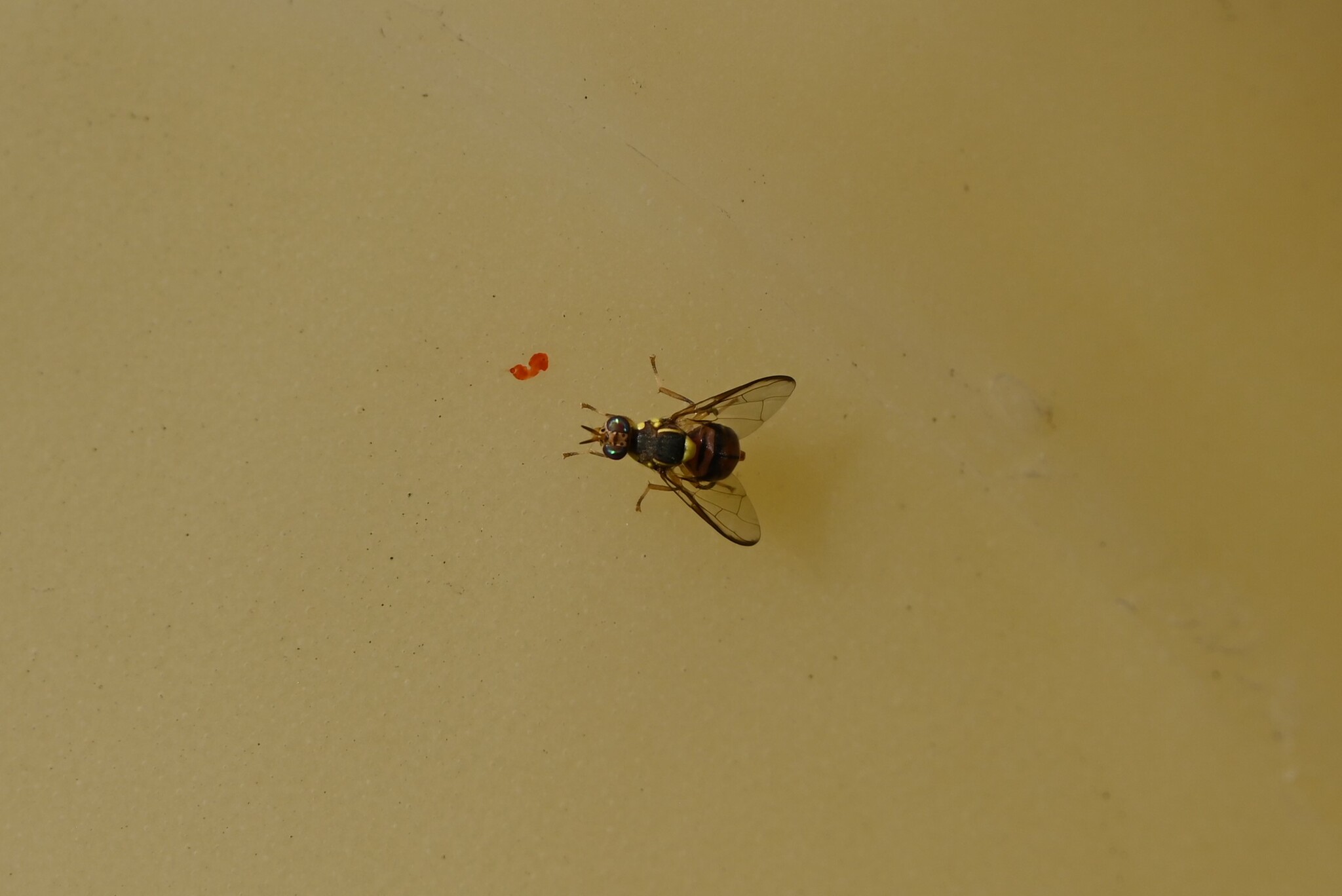
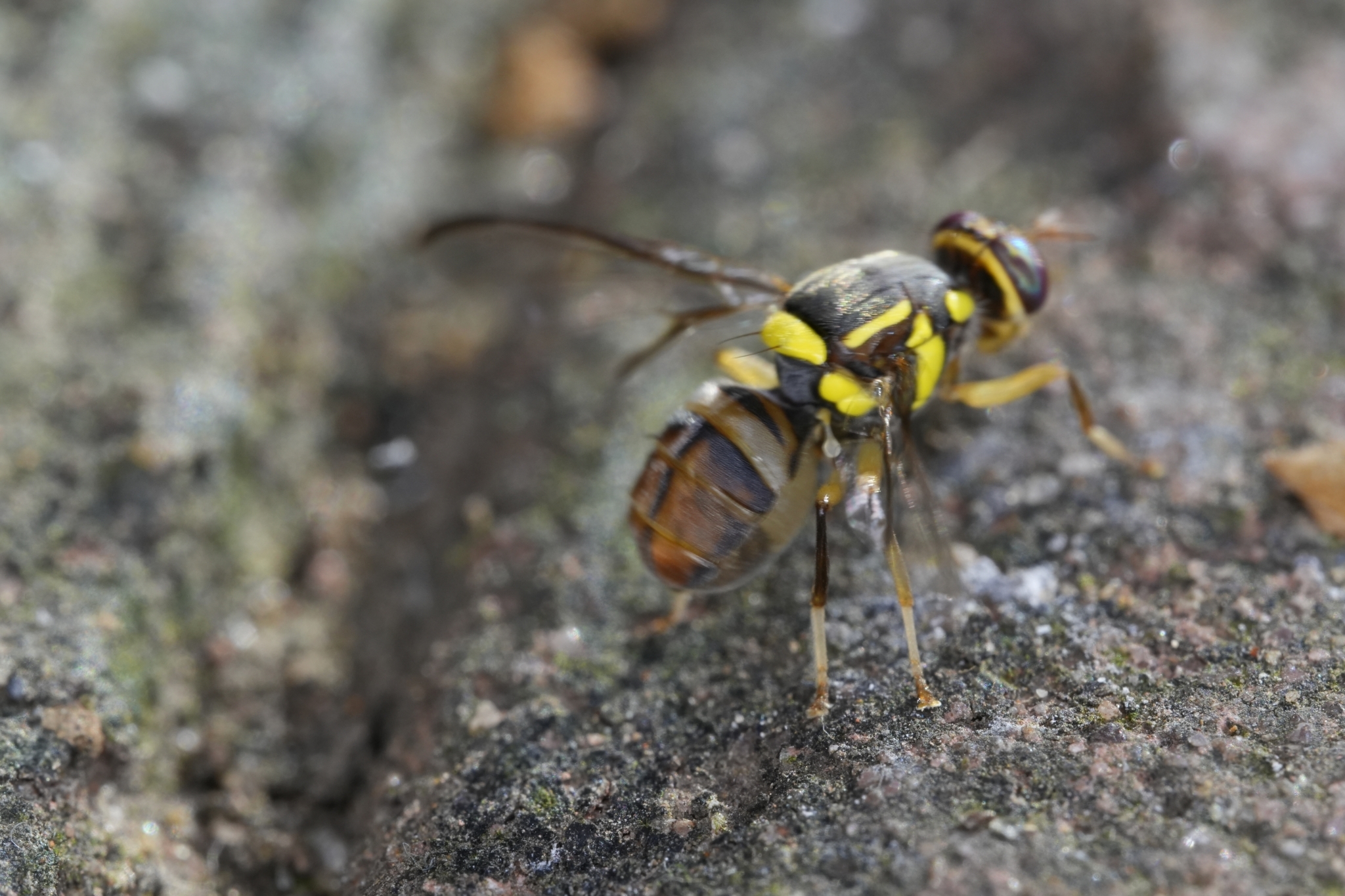
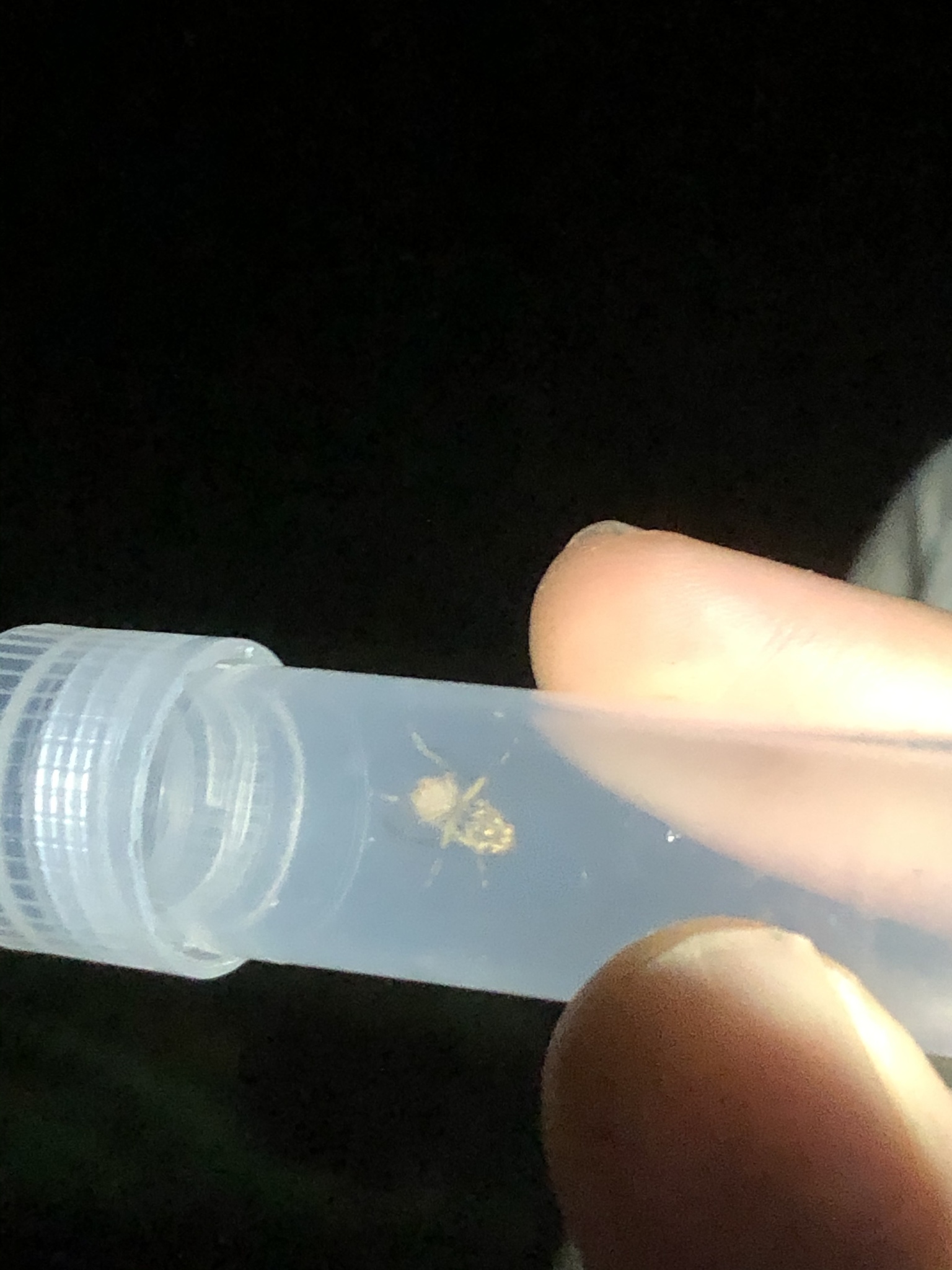
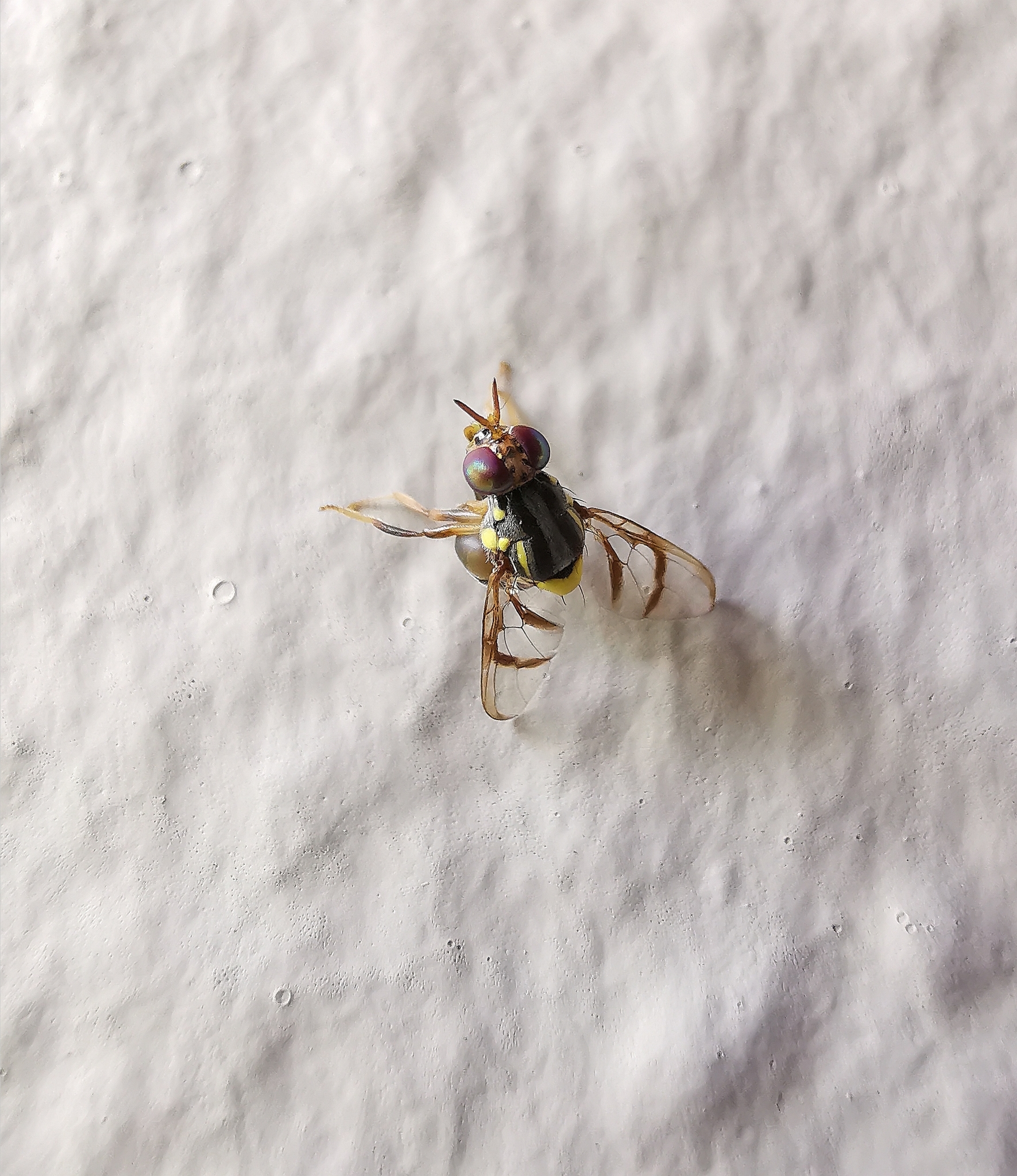
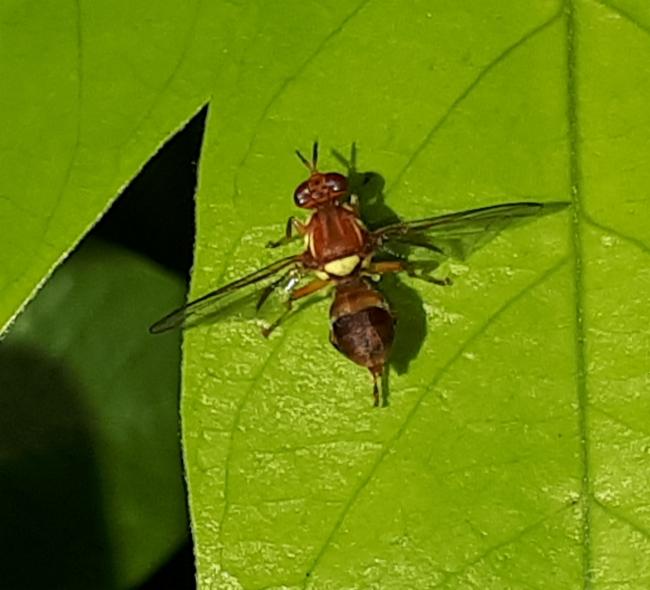
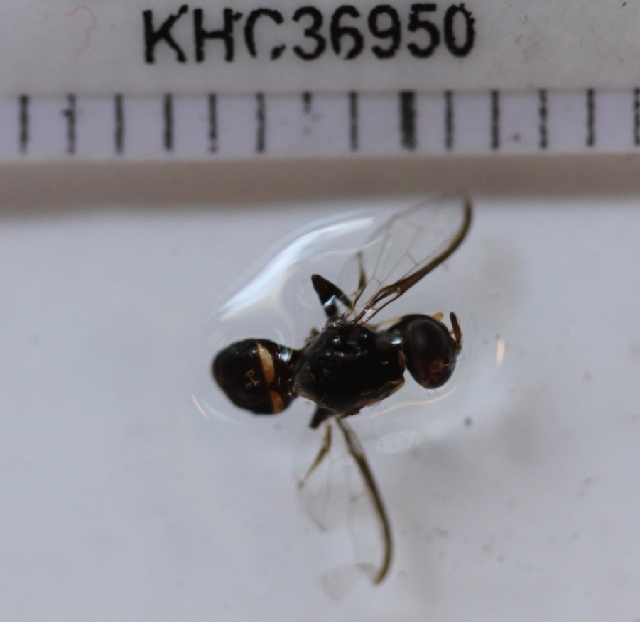
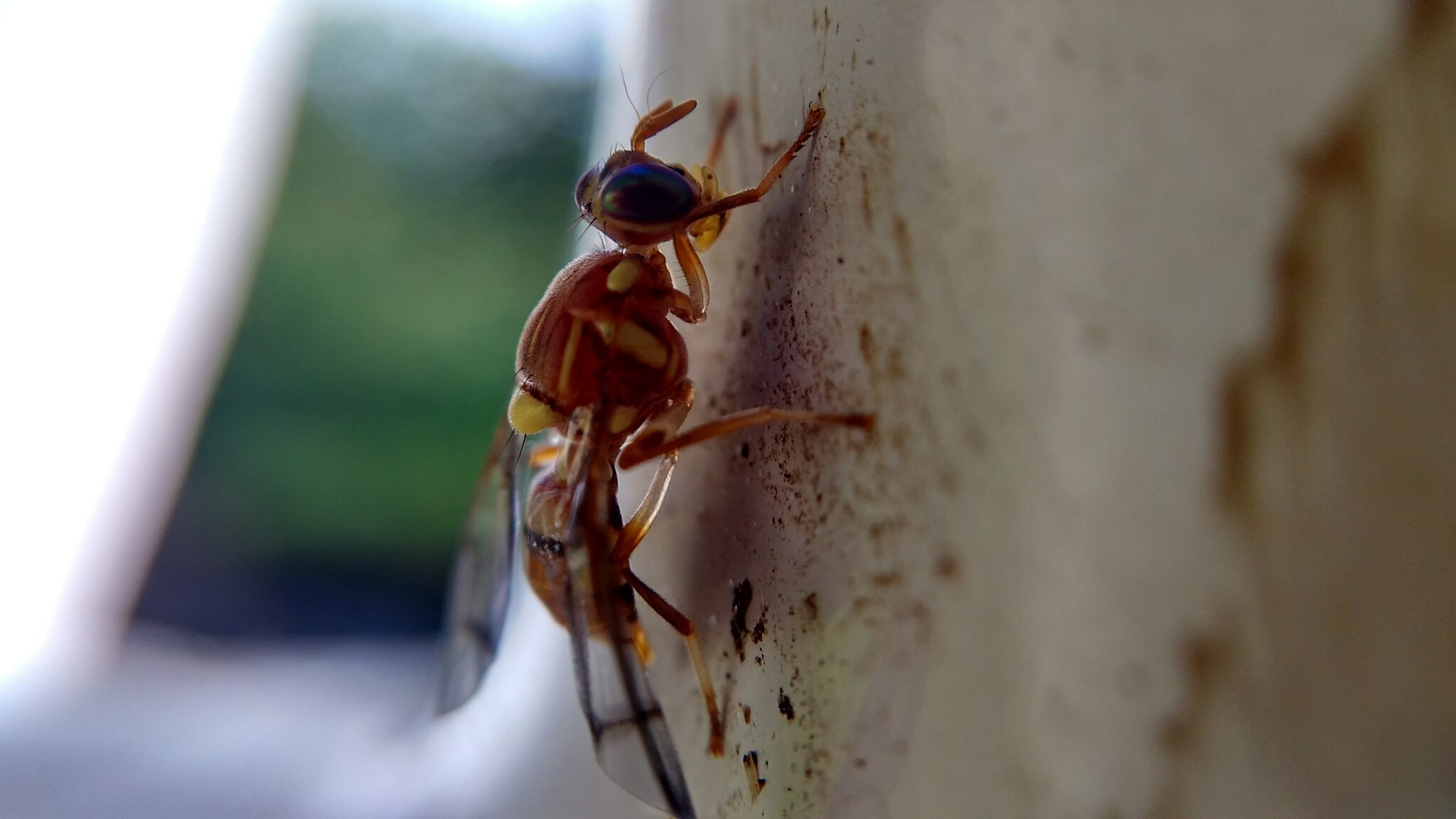
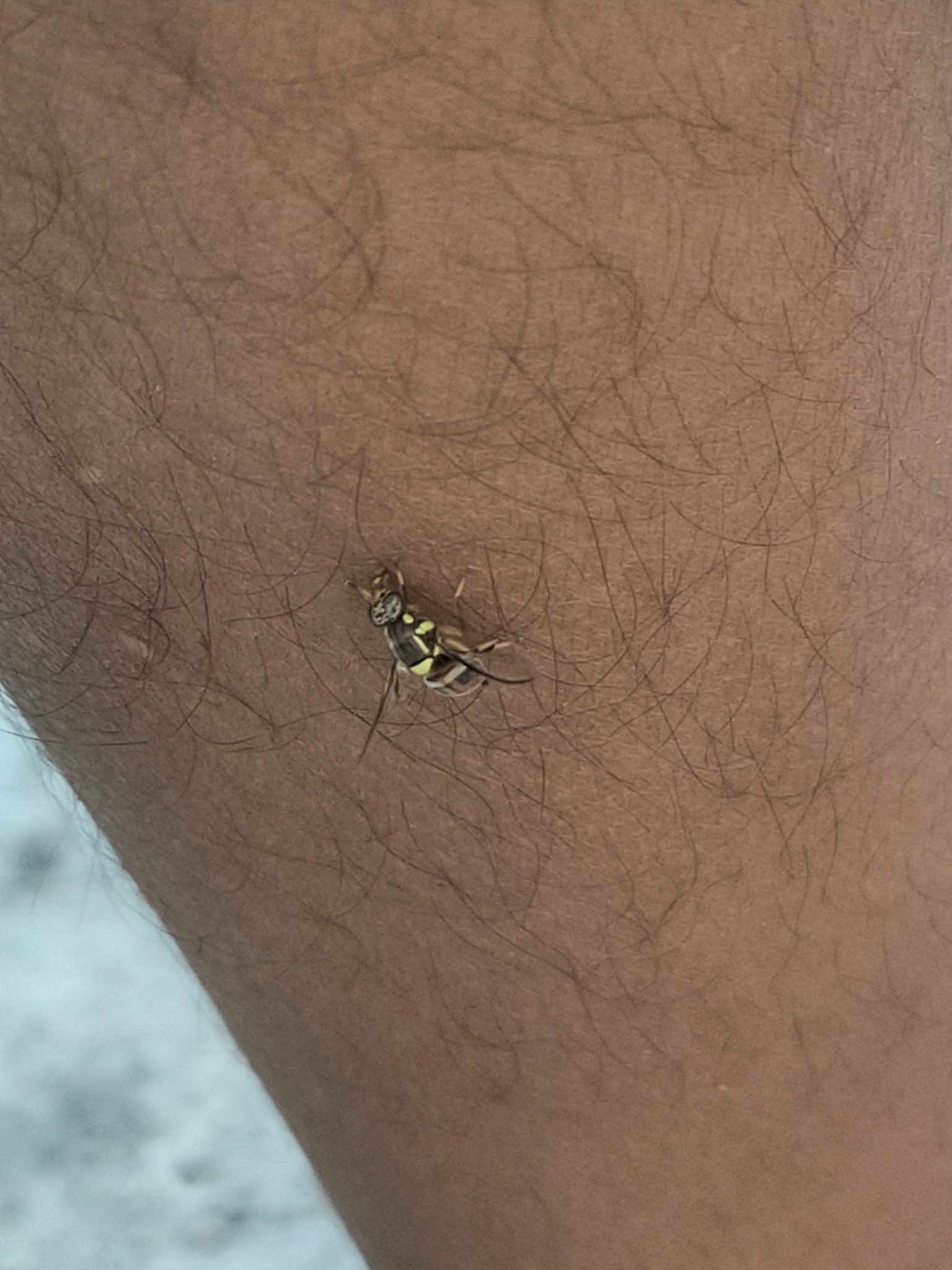
Members of the genus Bactrocera are typically small to medium-sized flies, often characterized by distinct, often vibrant, yellow or black markings on the thorax and abdomen. The wings are generally clear, sometimes with dark bands or spots, particularly along the costal margin. The body is often slender, and the head is typically broad with prominent eyes.[1]
Overview
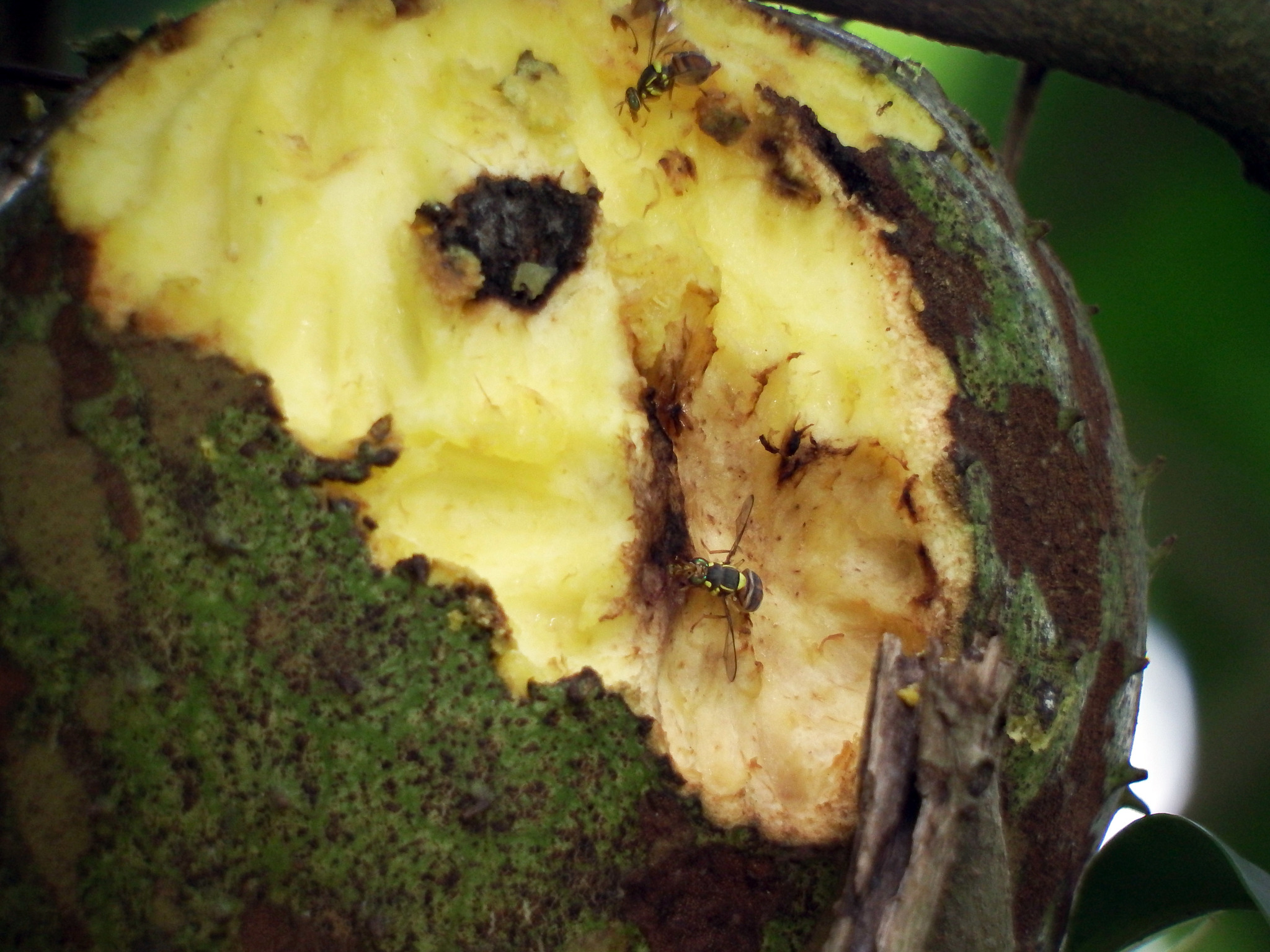
Bactrocera is a genus of fruit flies in the family Tephritidae, established by Pierre-Justin-Marie Macquart in 1835.[2] Many species within this genus are significant agricultural pests, known for infesting a wide variety of fruits and vegetables.[3]
Ecology and Pest Management
A notable aspect of the biology of some Bactrocera species, such as the oriental fruit fly (Bactrocera dorsalis), is their interaction with gut microbiota. Research has shown that gut symbionts, specifically Citrobacter sp., can enhance the insecticide resistance of these flies by contributing to the degradation of organophosphate insecticides like trichlorphon.[4] This symbiont-mediated resistance highlights the complexity of managing these pests and suggests that such mechanisms may be widespread in insect populations.[4]
Gallery
References
- 1 2 Dataset view for Animalia / Arthropoda / Insecta / Diptera / Tephritidae / Bactrocera constructed from imageomics/TreeOfLife-200M records under this taxonomic path. Hugging Face Datasets. https://huggingface.co/datasets/imageomics/TreeOfLife-200M.
- ↑ Bactrocera Macquart, 1835. GBIF. https://www.gbif.org/species/1626510. Accessed 2026-07-17.
- ↑ Bactrocera. Wikipedia. https://en.wikipedia.org/wiki/Bactrocera. Accessed 2026-07-15.
- 1 2 Daifeng Cheng; Zijun Guo; Markus Riegler; Zhiyong Xi; Guangwen Liang; Yijuan Xu. Gut symbiont enhances insecticide resistance in a significant pest, the oriental fruit fly Bactrocera dorsalis (Hendel). Microbiome. 2017. https://doi.org/10.1186/s40168-017-0236-z.