Azygiidae
Taxonomy
Azygiidae is a family of digenean trematodes (flukes) within the order Plagiorchiida and suborder Hemiurata. First described by M. Lühe in 1909, the family is classified under the superfamily Azygioidea and includes the synonym Aphanhysteridae (Guiart, 1938). The family comprises approximately 60 descendant taxa, with representative genera including Azygia, Leuceruthrus, Otodistomum, and Proterometra.[1][2][3][4]
Members of the Azygiidae are parasitic, typically infecting predatory fishes. Species of Azygia are known to parasitize a wide range of freshwater fish, including Amia calva, Esox lucius, E. masquinongy, various Moxostoma species, Sander species, Salvelinus fontinalis, Micropterus dolomieu, Morone americana, and Ambloplites rupestris. Proterometra species have been documented interacting with the gastropod Elimia livescens and parasitizing the fish Astyanax mexicanus. Despite their ecological significance, the family remains relatively neglected in studies of molecular epidemiology, population ecology, and phylogenetic relationships. Phylogenetic analysis of the mitochondrial genome of Azygia hwangtsiyui indicates that the family forms a distinct clade, suggesting it is not closely related to other trematode families. The characterized mitochondrial genome of A. hwangtsiyui spans 13,973 bp and contains 12 protein-coding genes, 22 transfer RNA genes, and two ribosomal RNA genes, with an A+T content of 59.6%.[2][3][5]
Visual Description
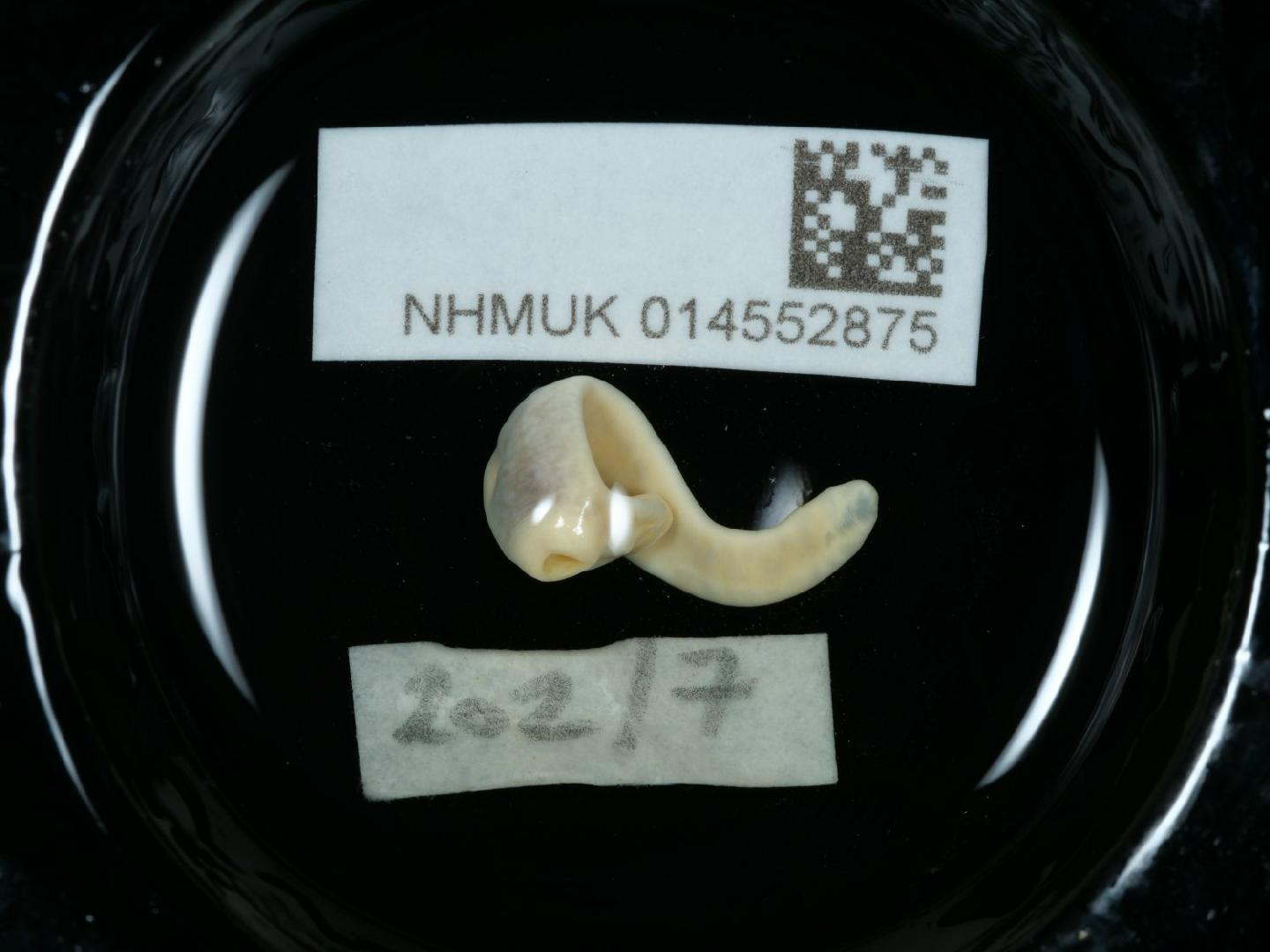
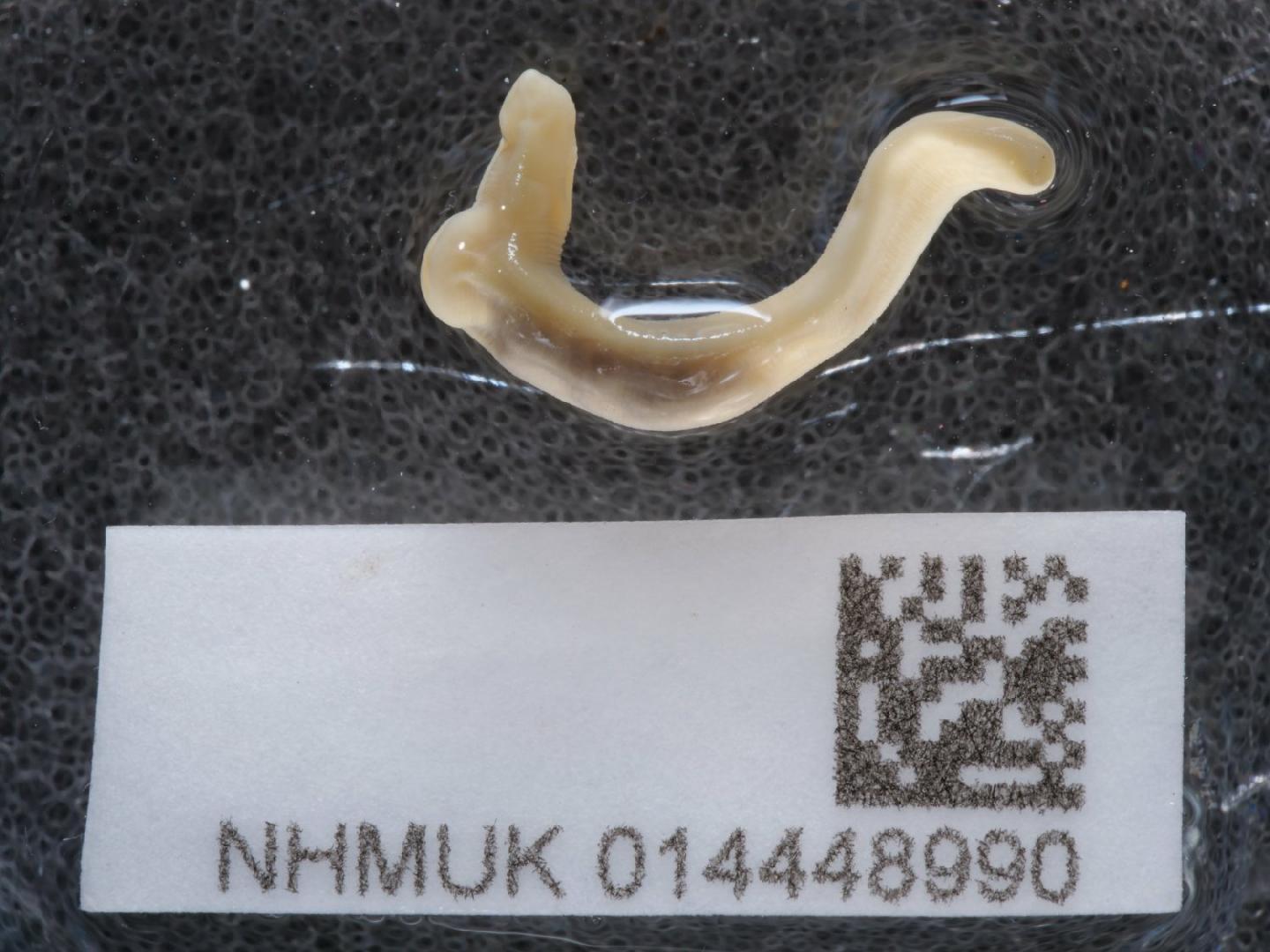
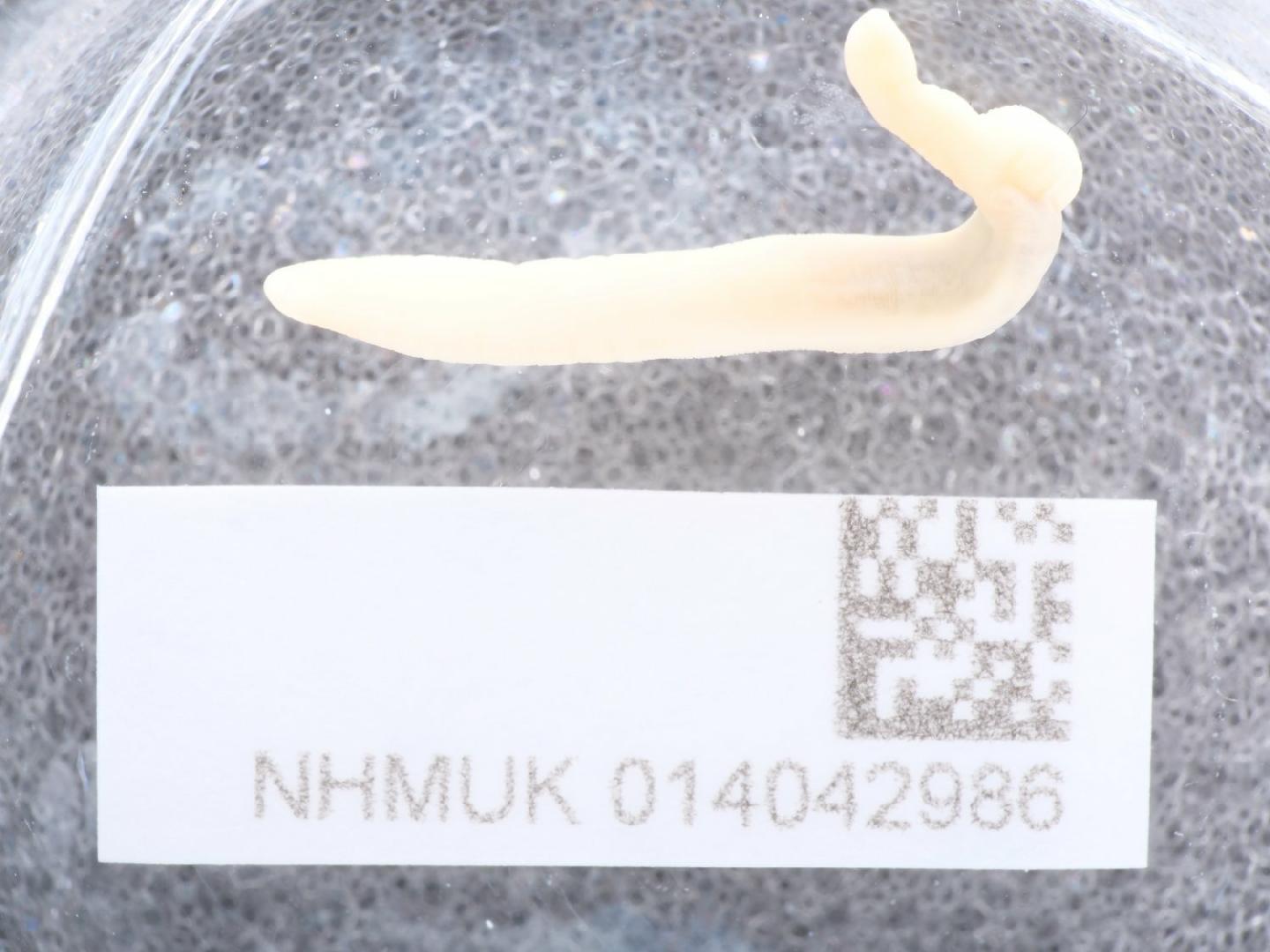
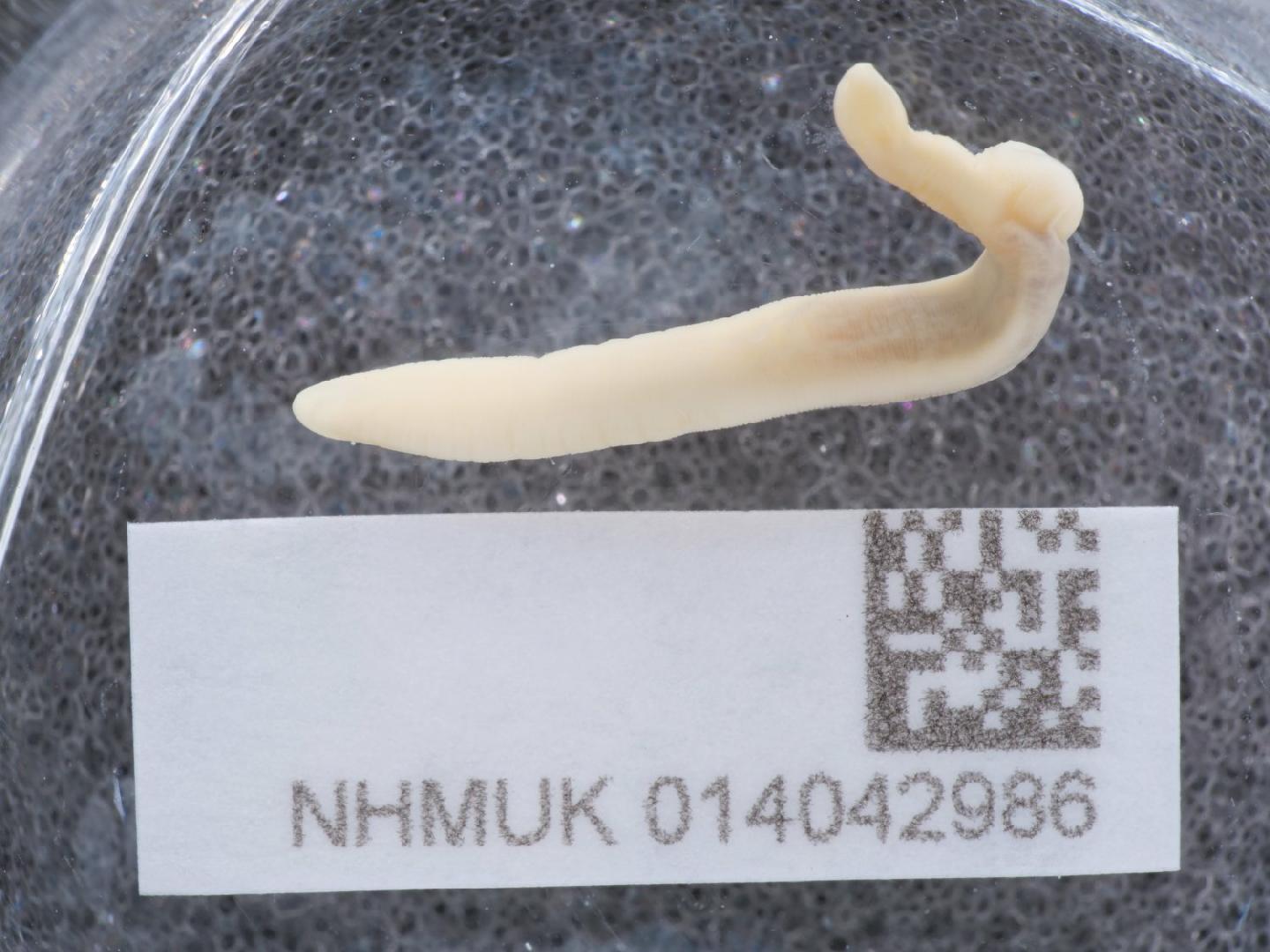
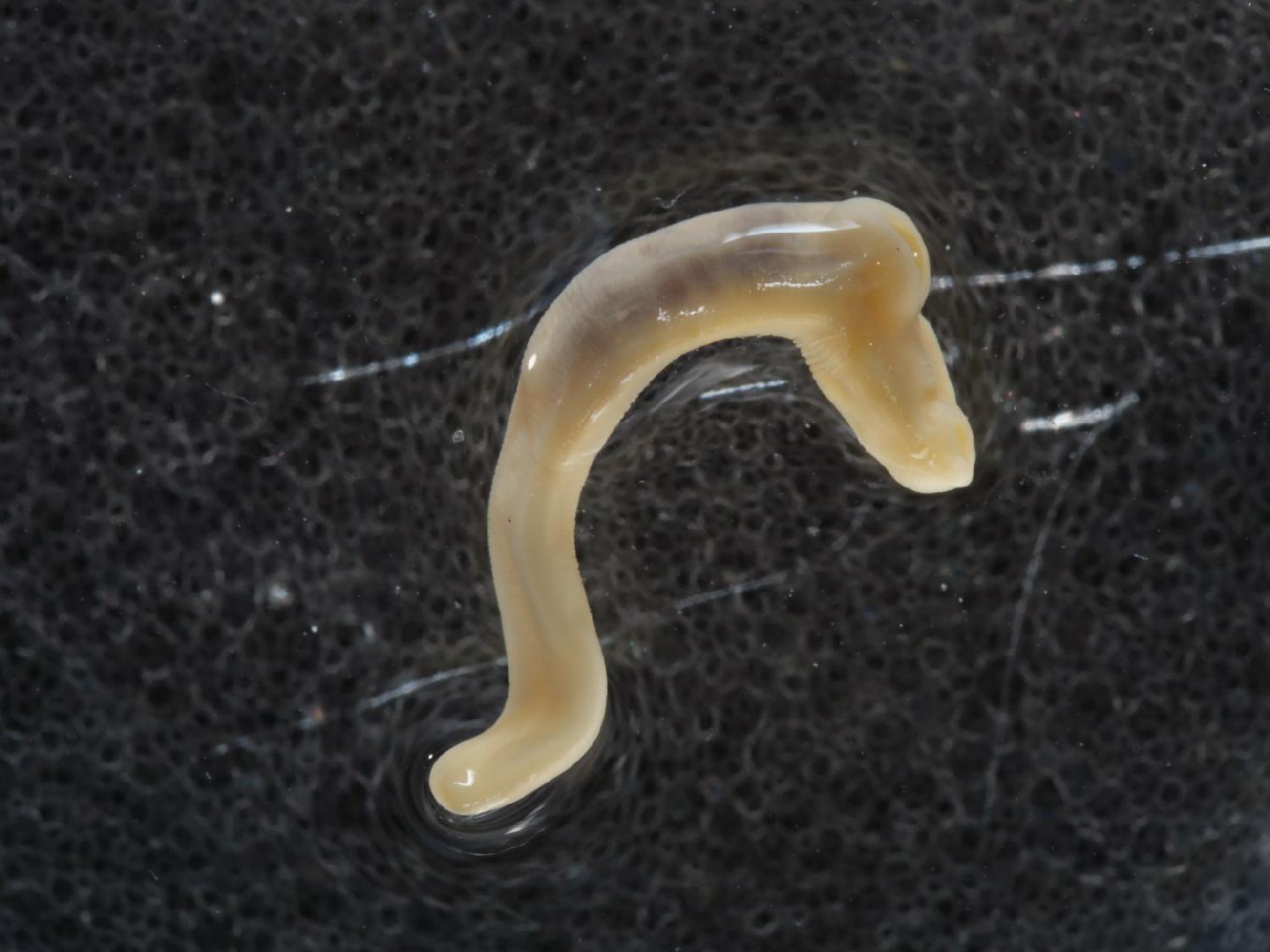
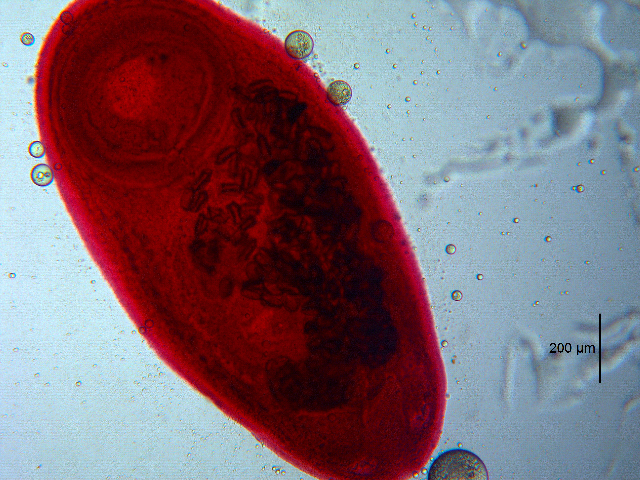
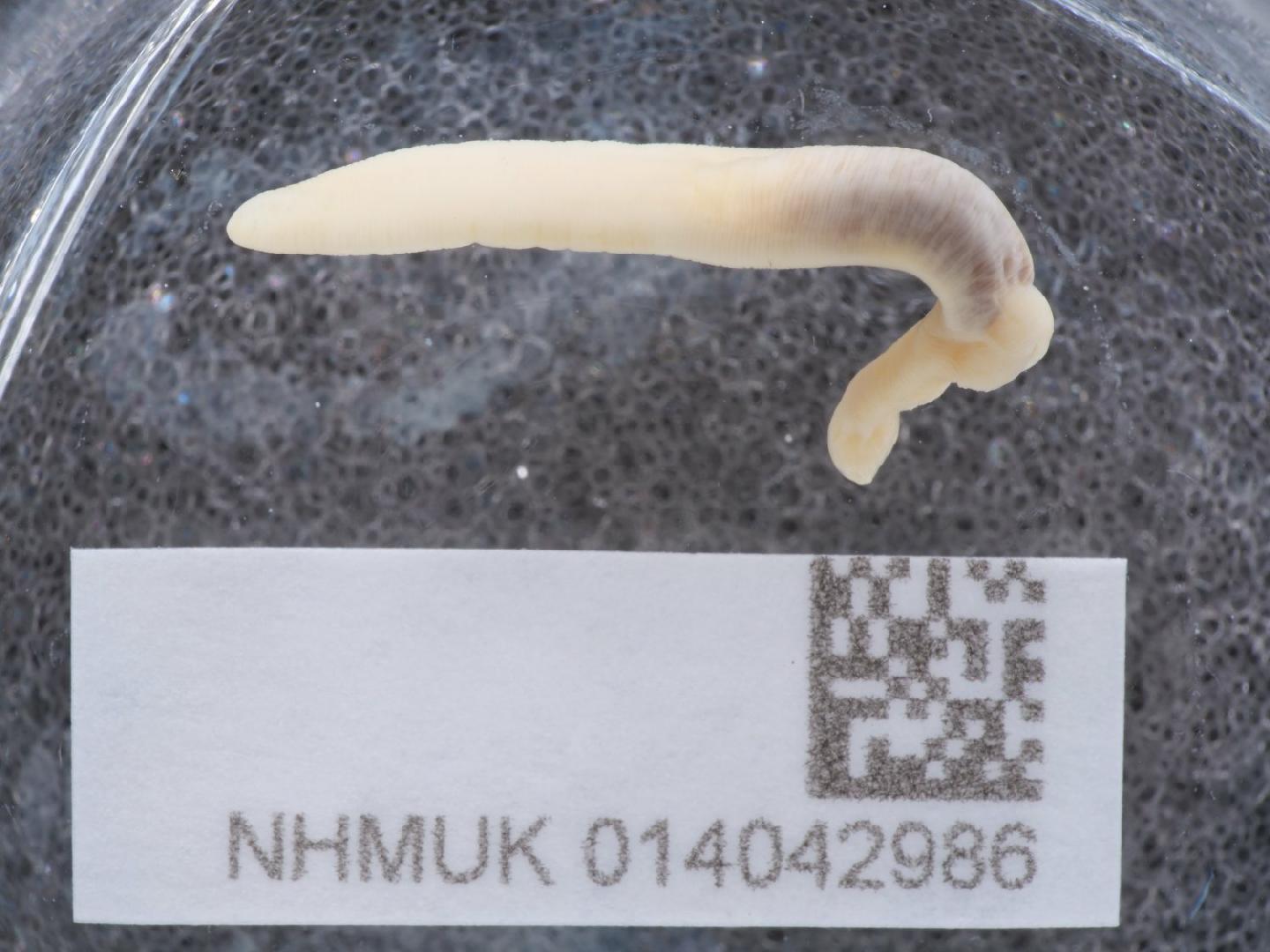
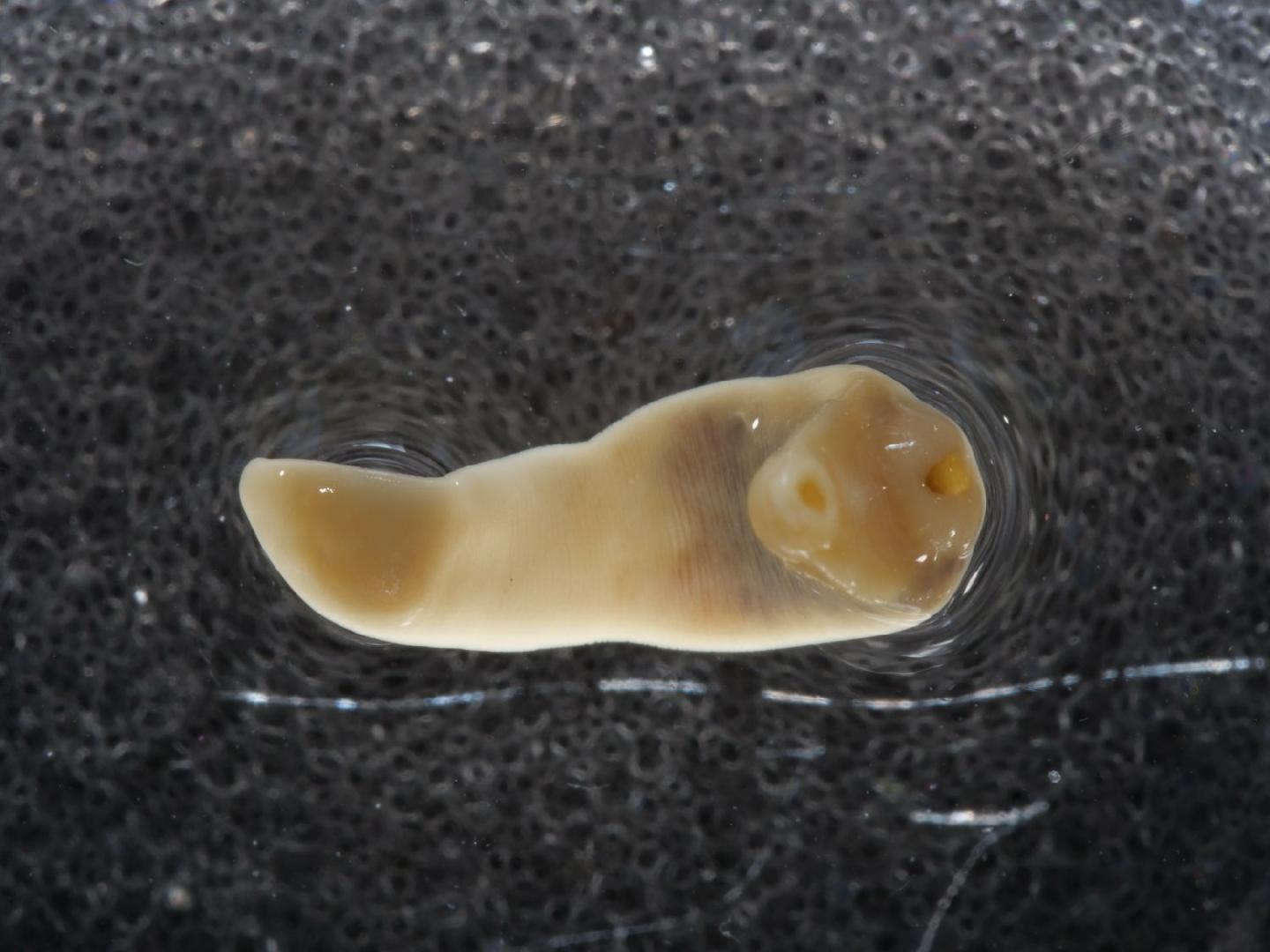
Members of the Azygiidae exhibit varied body forms depending on the genus and developmental stage. Preserved specimens of Otodistomum cestoides are typically elongated, pale, and smooth, with a cylindrical or slightly flattened body that often curves at the anterior end. In contrast, microscopic views of Proterometra macrostoma reveal an oval-shaped body featuring a prominent, circular sucker in the anterior region, with internal organs visible through dense staining.
Gallery

References
- ↑ Azygiidae. Wikipedia. https://en.wikipedia.org/wiki/Azygiidae. Accessed 2026-09-05.
- 1 2 Azygiidae. Global Biotic Interactions. https://www.globalbioticinteractions.org/?targetTaxon=Azygiidae. Accessed 2026-09-05.
- 1 2 Azygiidae. GBIF. https://www.gbif.org/species/6457. Accessed 2026-09-05.
- ↑ Dataset view for Animalia / Platyhelminthes / Trematoda / Plagiorchiida / Azygiidae constructed from imageomics/TreeOfLife-200M records under this taxonomic path. Hugging Face Datasets. https://huggingface.co/datasets/imageomics/TreeOfLife-200M
- ↑ Yuanan Wu; Jinwei Gao; Xiaofei Cheng; Min Xie; Xiping Yuan; Dong Liu; Rui Song. Characterization and comparative analysis of the complete mitochondrial genome of Azygia hwangtsiyui Tsin, 1933 (Digenea), the first for a member of the family Azygiidae. ZooKeys. 2020. https://doi.org/10.3897/zookeys.945.49681.