Axinella verrucosa
Taxonomy
This page represents the following TreeOfLife-200M taxonomic path.[1]
- Kingdom: Animalia
- Phylum: Porifera
- Class: Demospongiae
- Order: Axinellida
- Family: Axinellidae
- Genus: Axinella
- Species: Axinella verrucosa
Visual Description
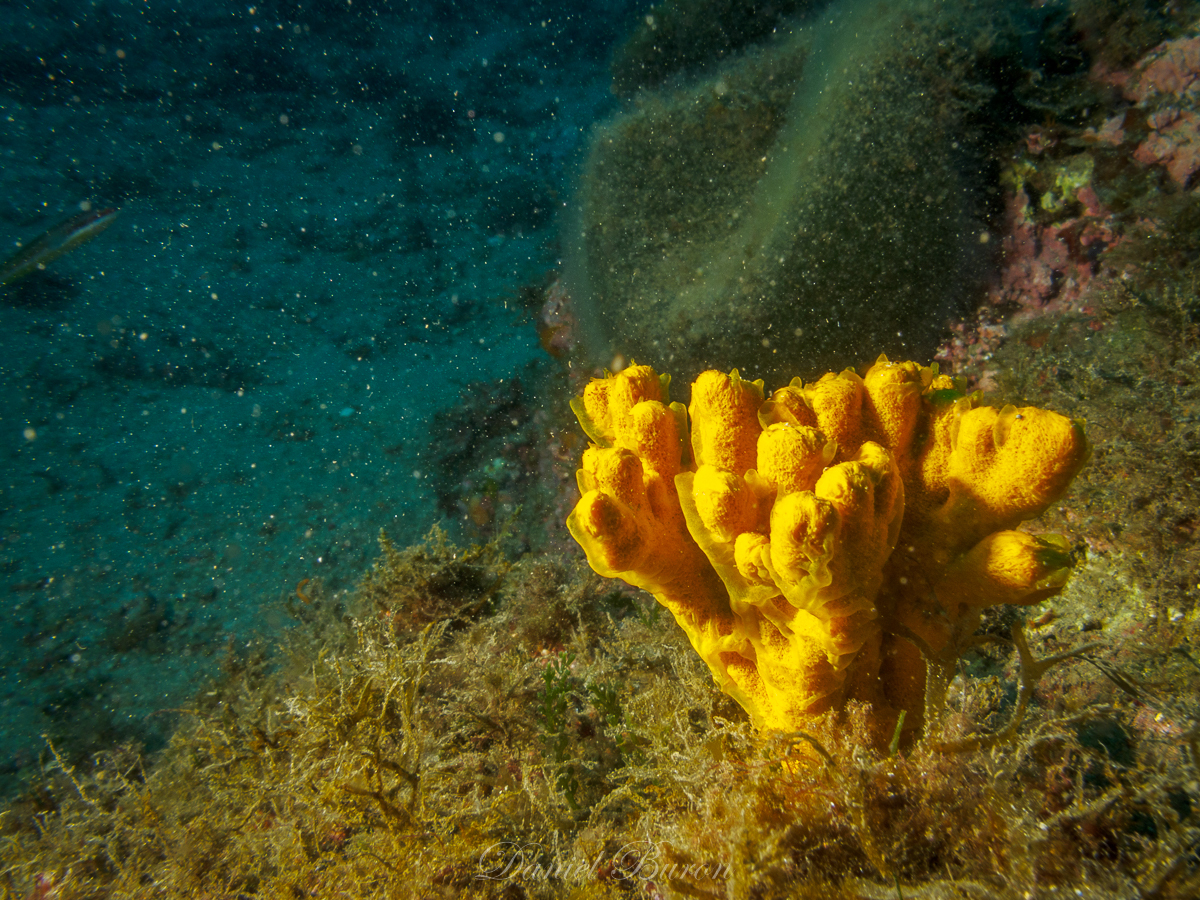
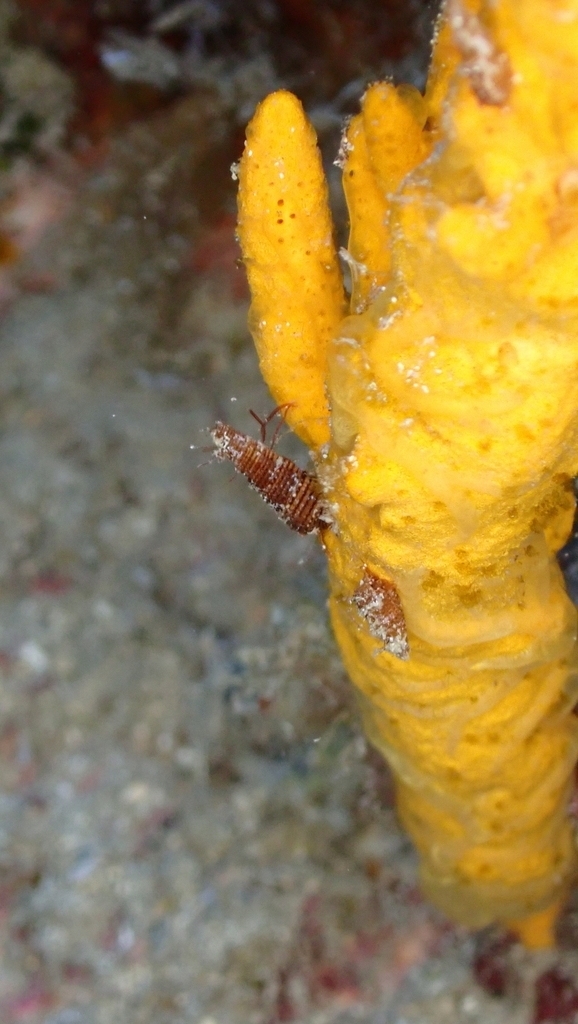
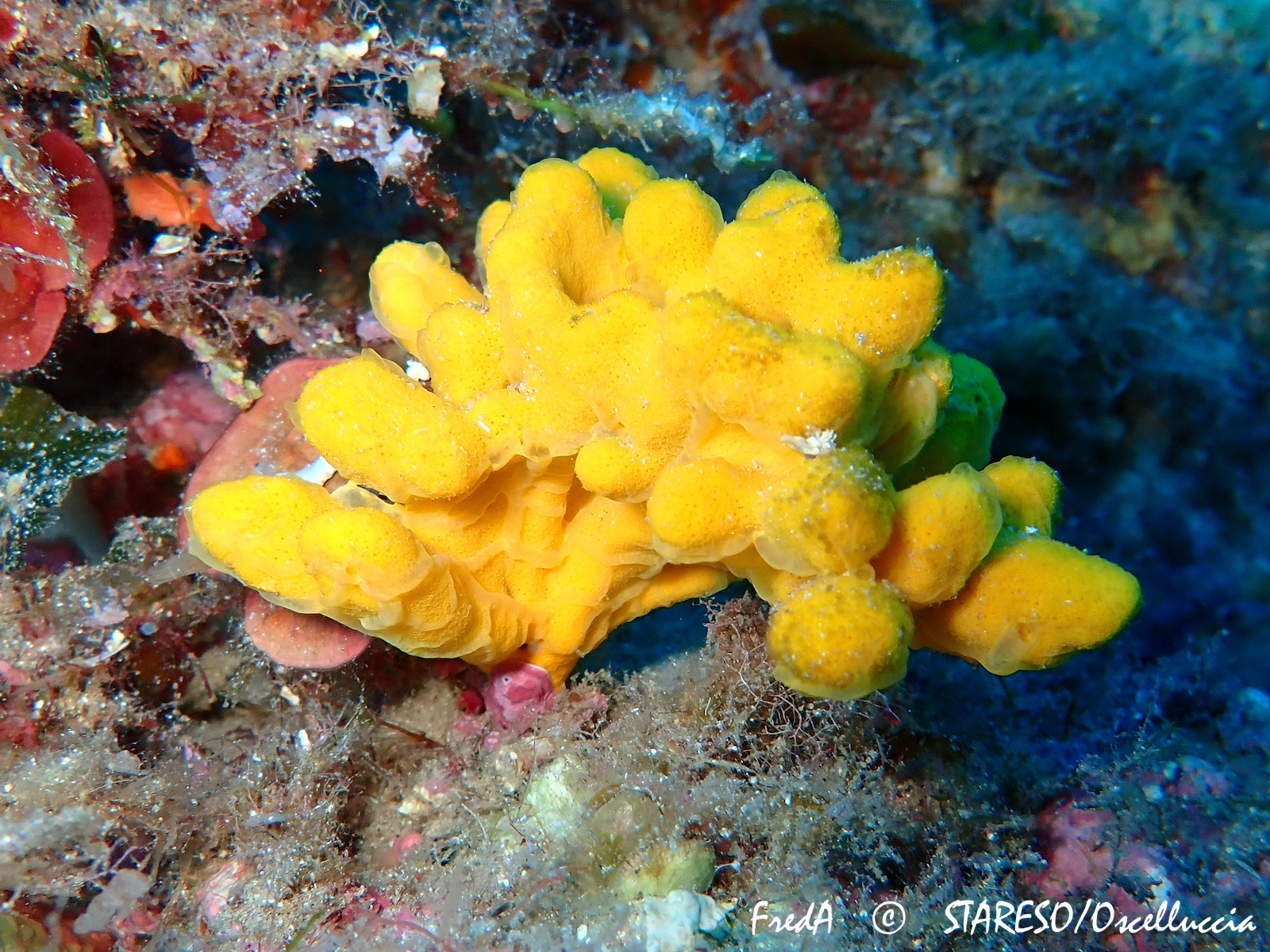
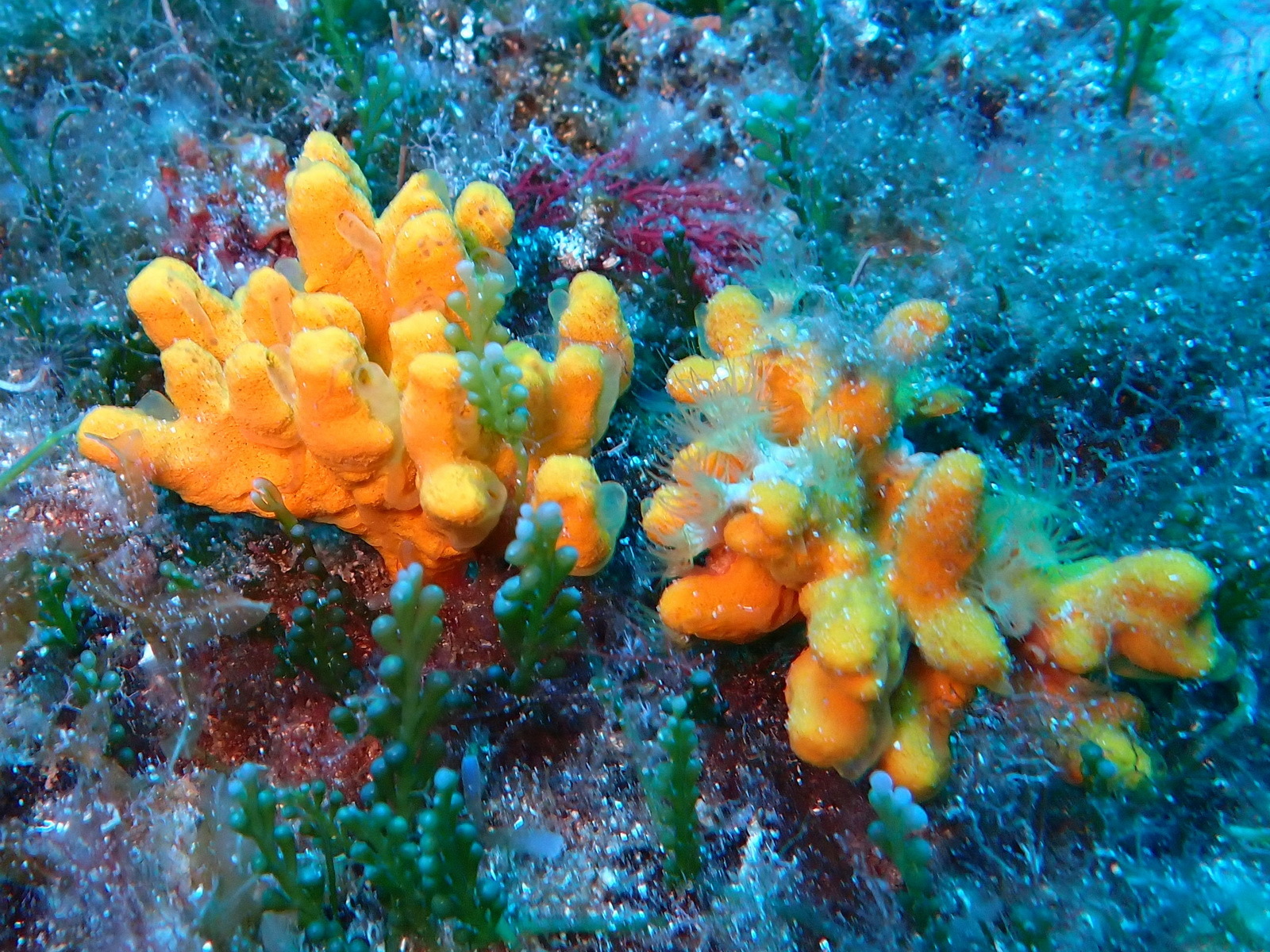
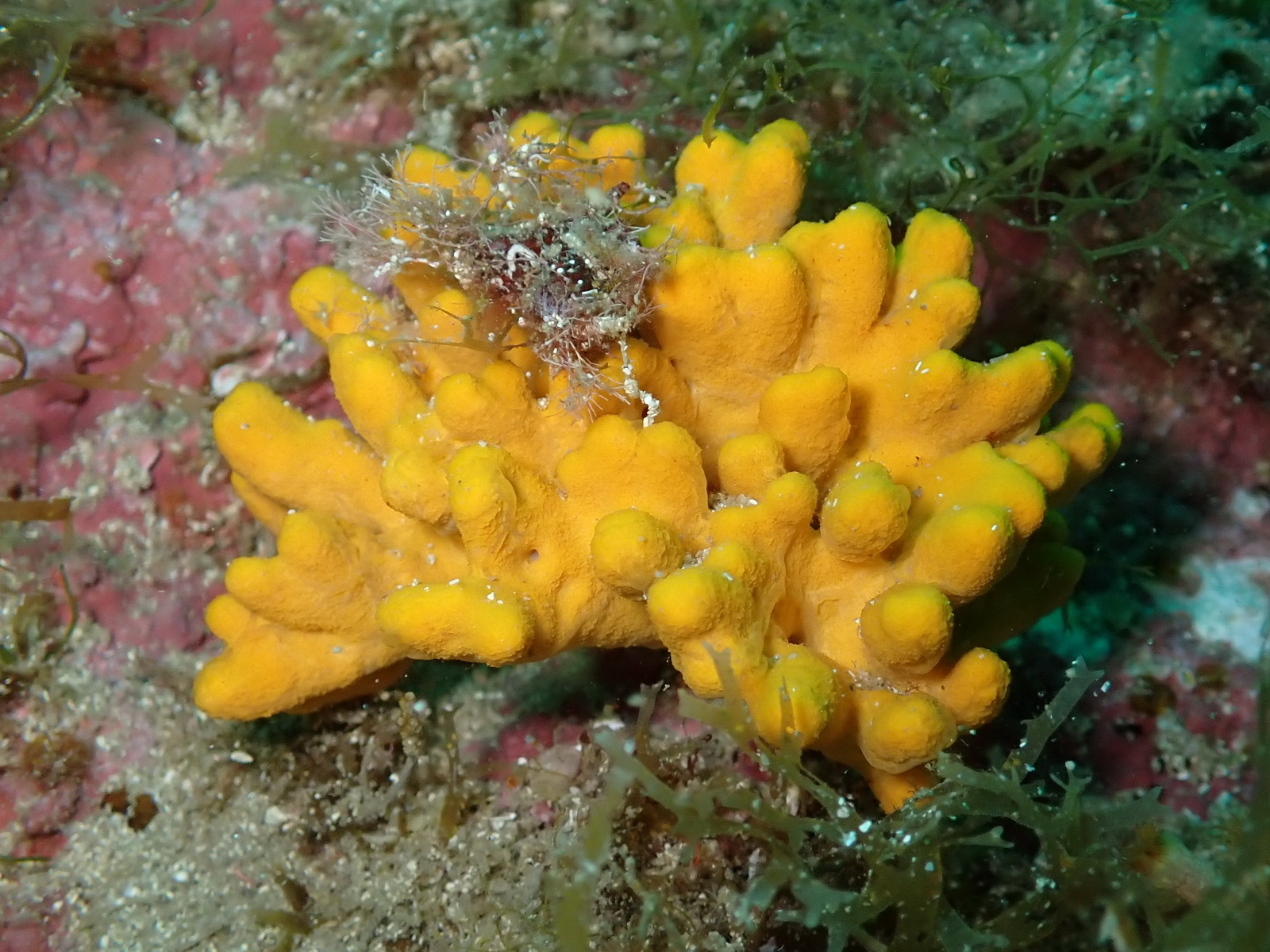
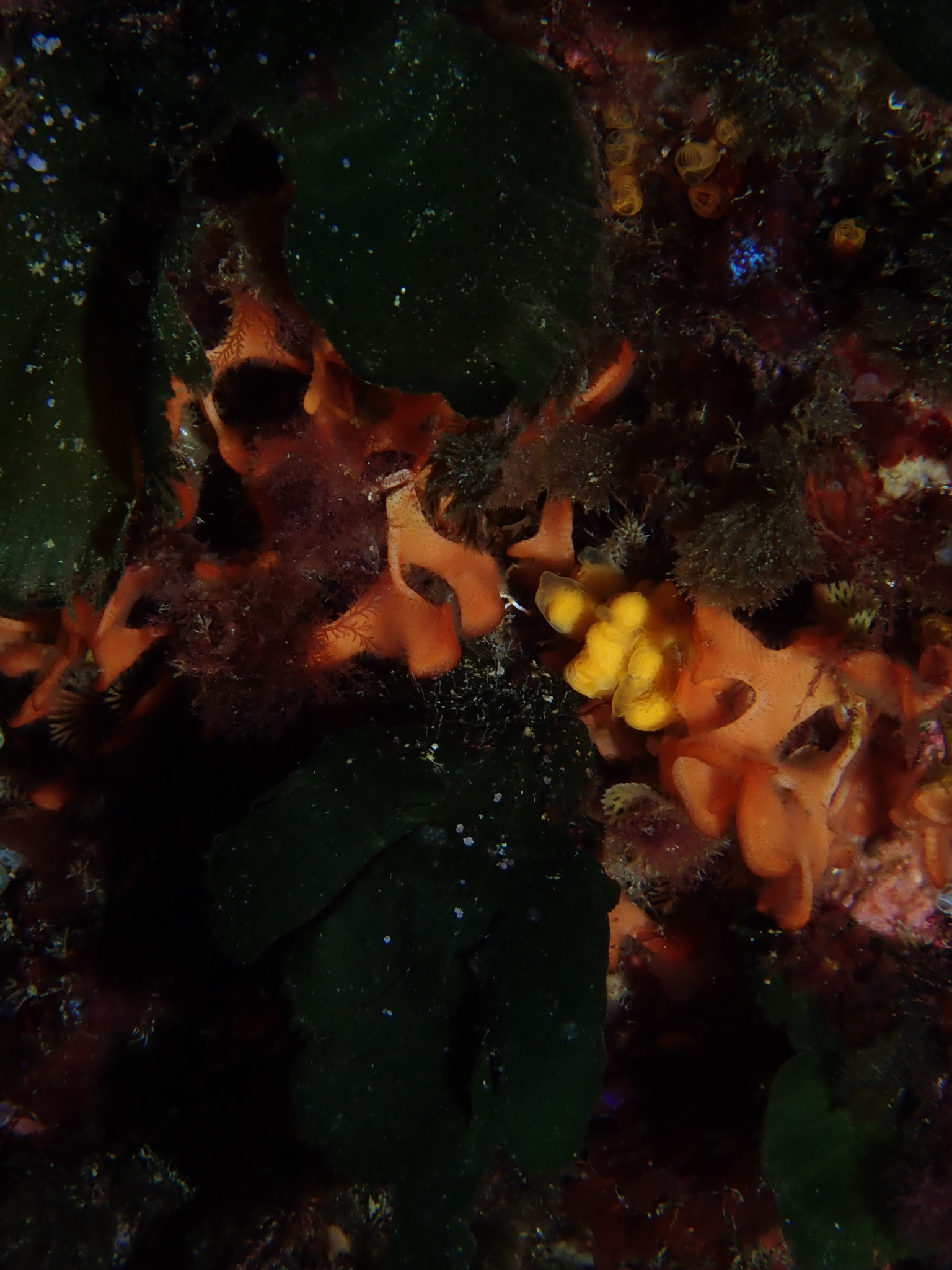
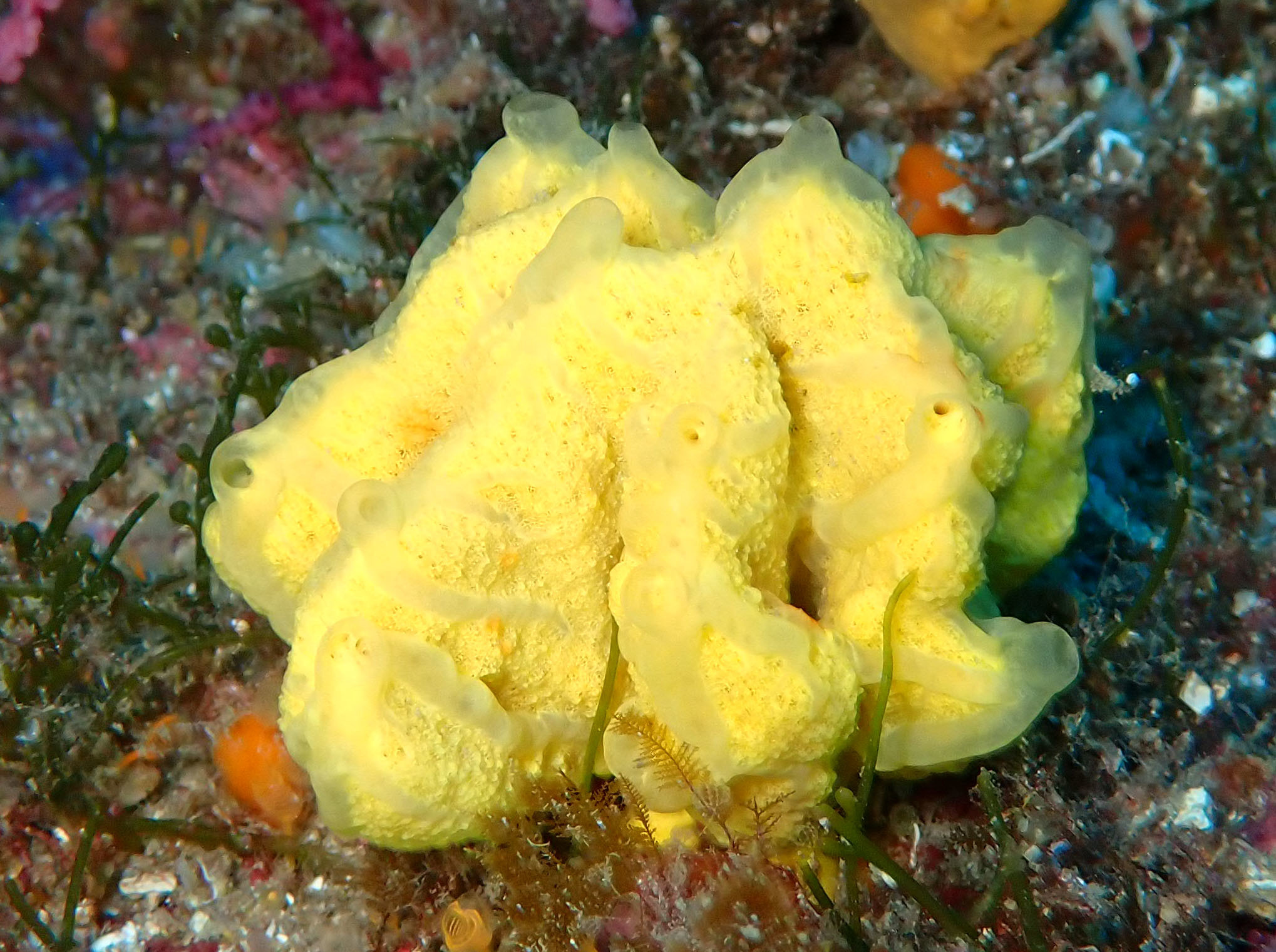
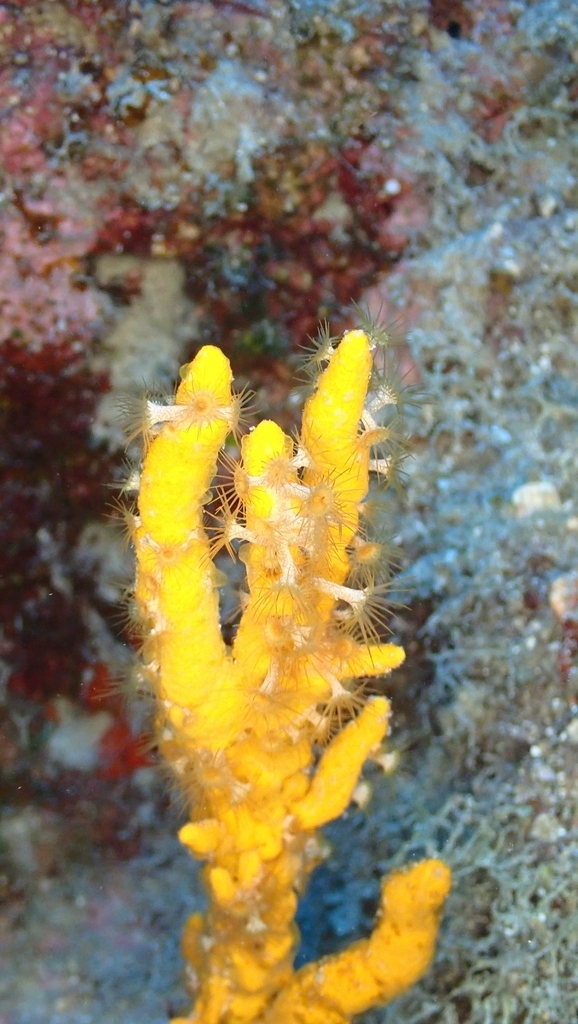
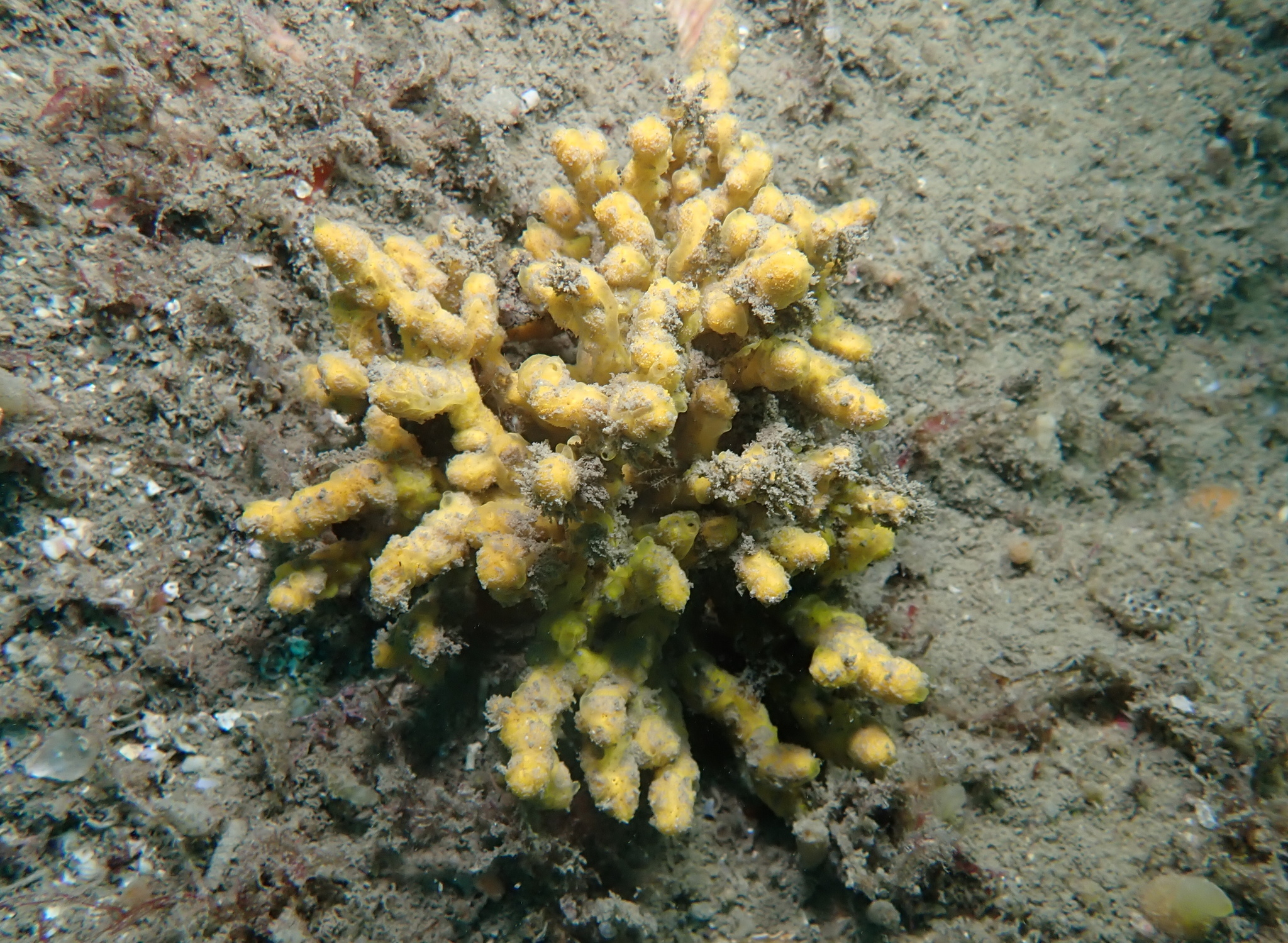
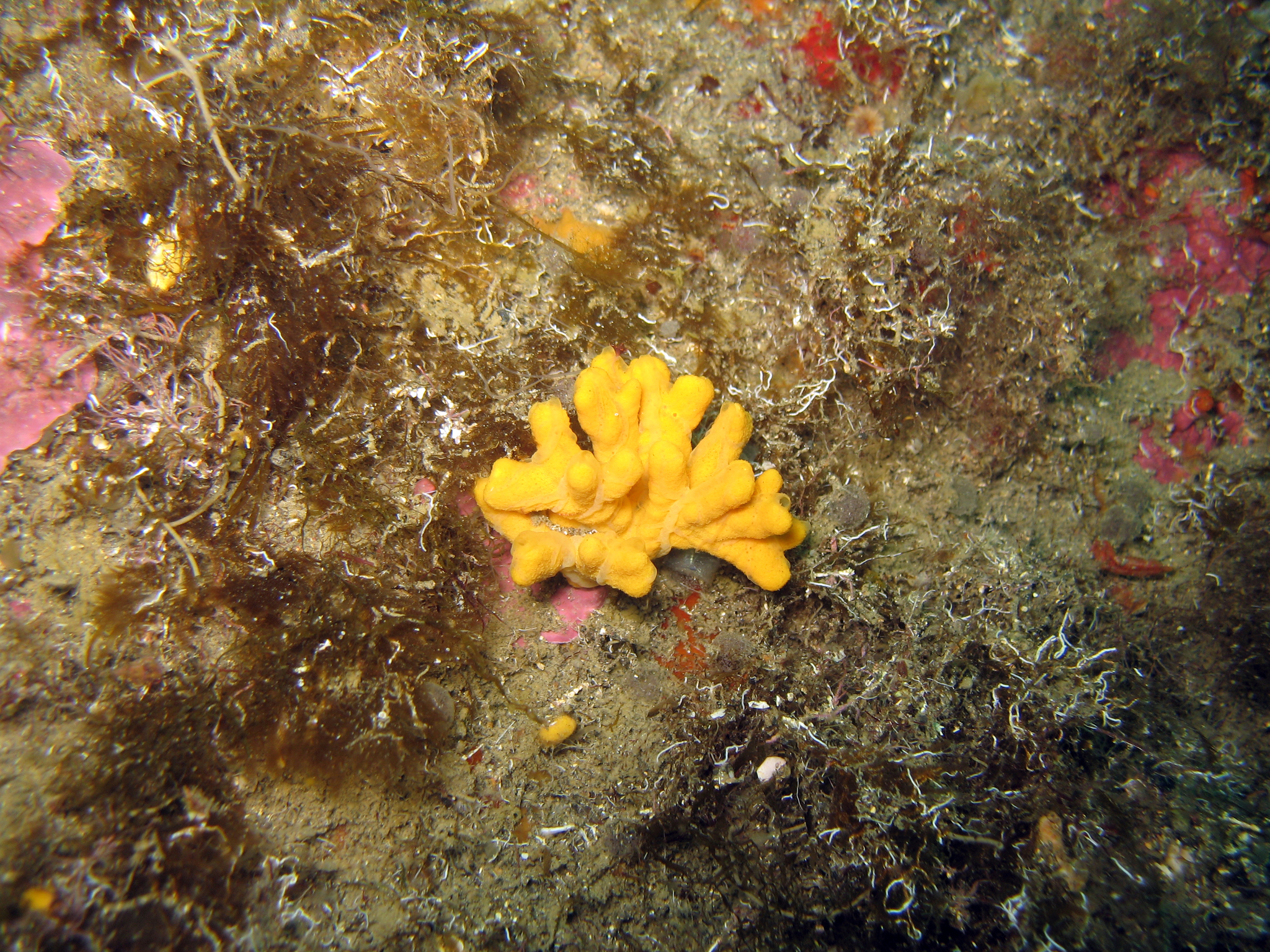
Images of Axinella verrucosa show a sponge with a typically lobate/rounded, “finger-glove” or cushion-like growth form, with a wrinkled or papillose surface texture and a surface that can appear light to medium beige/tan (sometimes with darker or more orange-brown tones). The overall aspect in photographed observations is of a relatively solid, encrusting-to-lobate body rather than a thin, delicate net-like sponge.
Chemistry and Bioactivity (selected)
Axinella verrucosa is reported to contain bromopyrrole alkaloids. In a study of a Mediterranean sponge collection, extracts yielded the antibacterial constituent hymenidin and a novel alkaloid, debromo-carteramine A, co-occurring with carteramine A.
In disc-diffusion assays against an environmental marine bacterium (Lysinibacillus sp. strain ESY 9), hymenidin and debromo-carteramine A showed measurable antibacterial activity, whereas carteramine A was reported inactive under the tested conditions. The authors additionally suggest that lack of a bromine substituent at the C-2 position (i.e., a “free position” at C-2) is important for antibacterial activity in this assay context.
Gallery
References
- ↑ Dataset view for Animalia / Porifera / Demospongiae / Axinellida / Axinellidae / Axinella / verrucosa constructed from imageomics/TreeOfLife-200M records under this taxonomic path. Hugging Face Datasets. https://huggingface.co/datasets/imageomics/TreeOfLife-200M.