Axinella parva
Taxonomy
This page represents the following TreeOfLife-200M taxonomic path.[1]
- Kingdom: Animalia
- Phylum: Porifera
- Class: Demospongiae
- Order: Axinellida
- Family: Axinellidae
- Genus: Axinella
- Species: Axinella parva
Visual Description
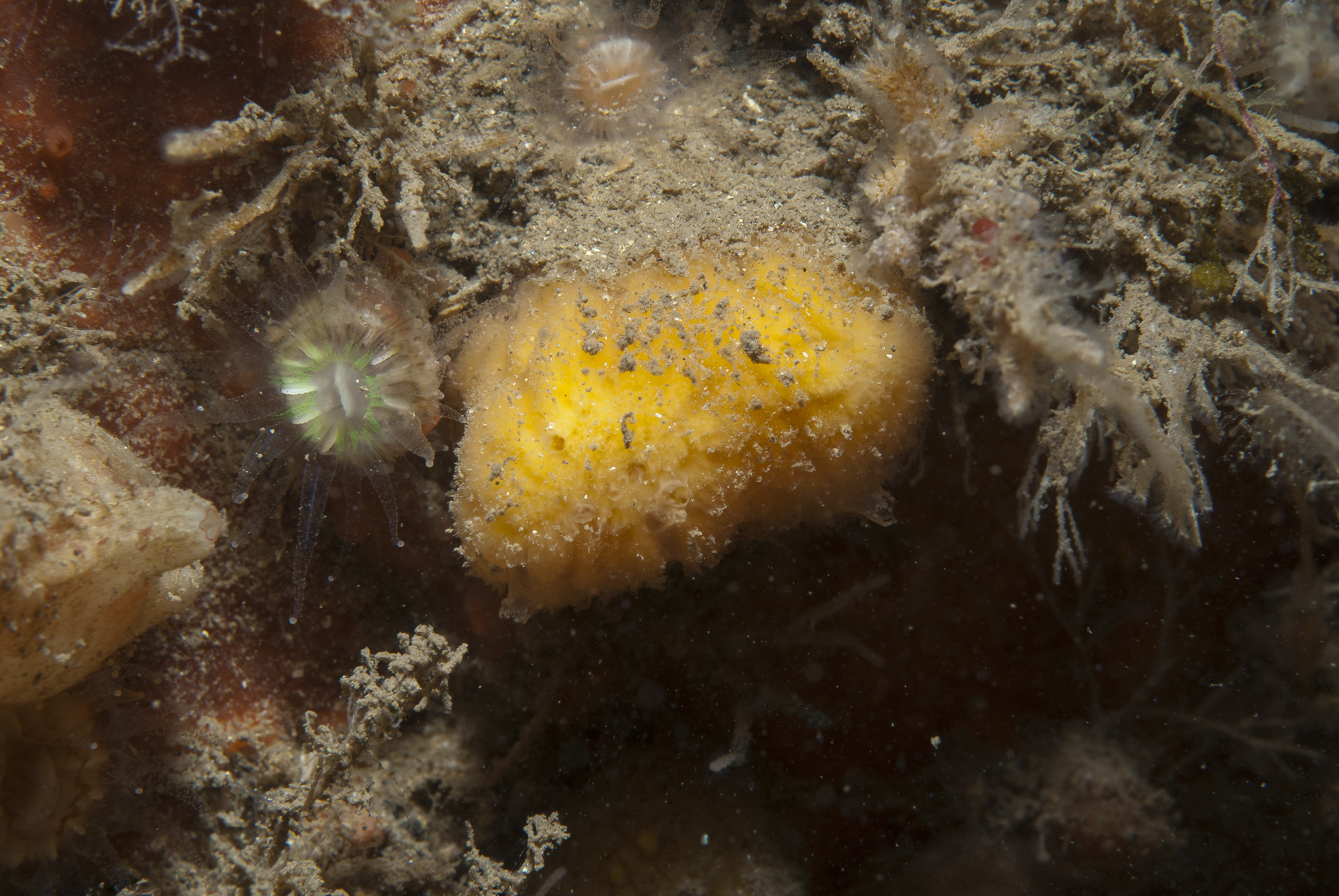
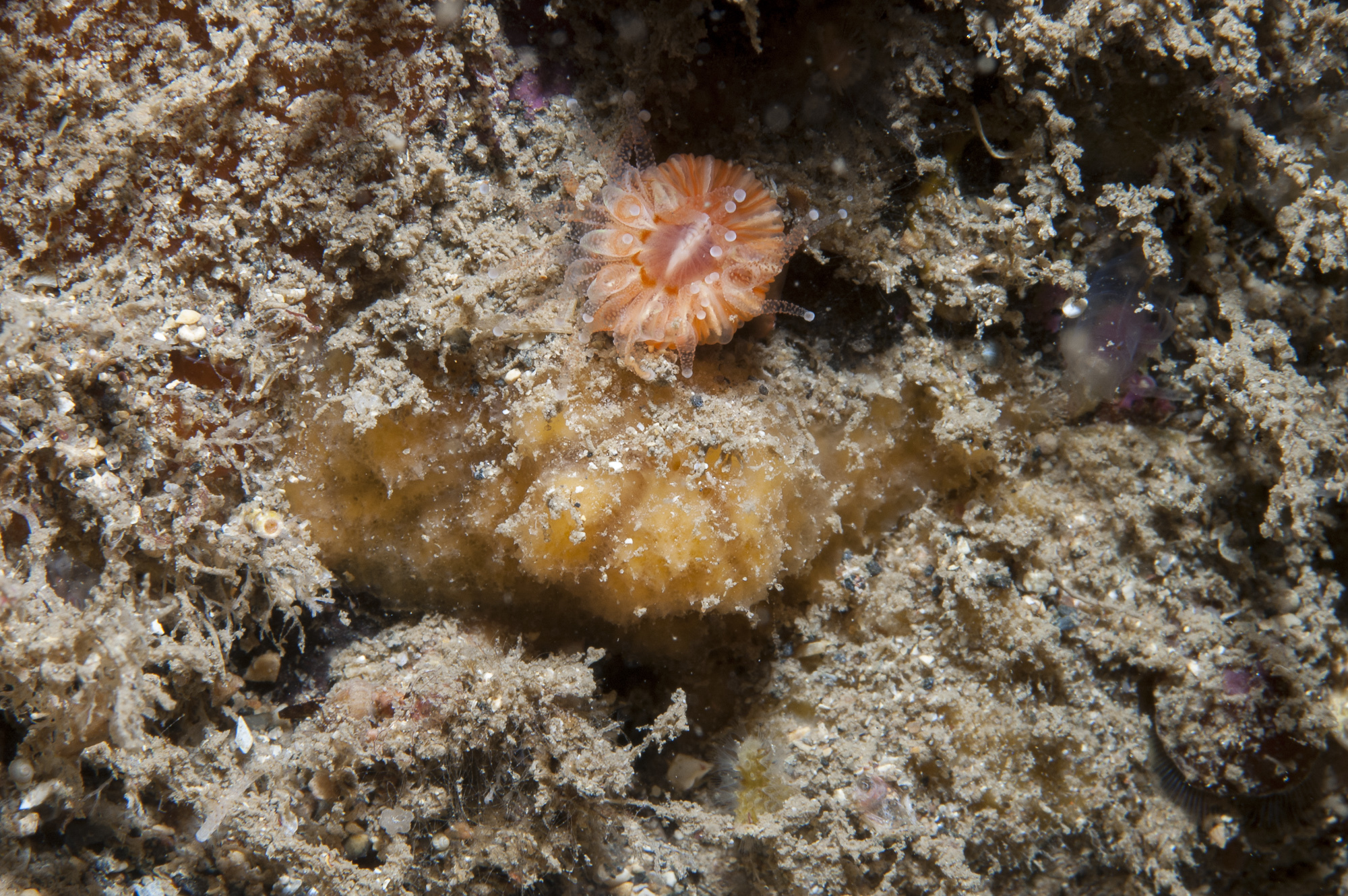
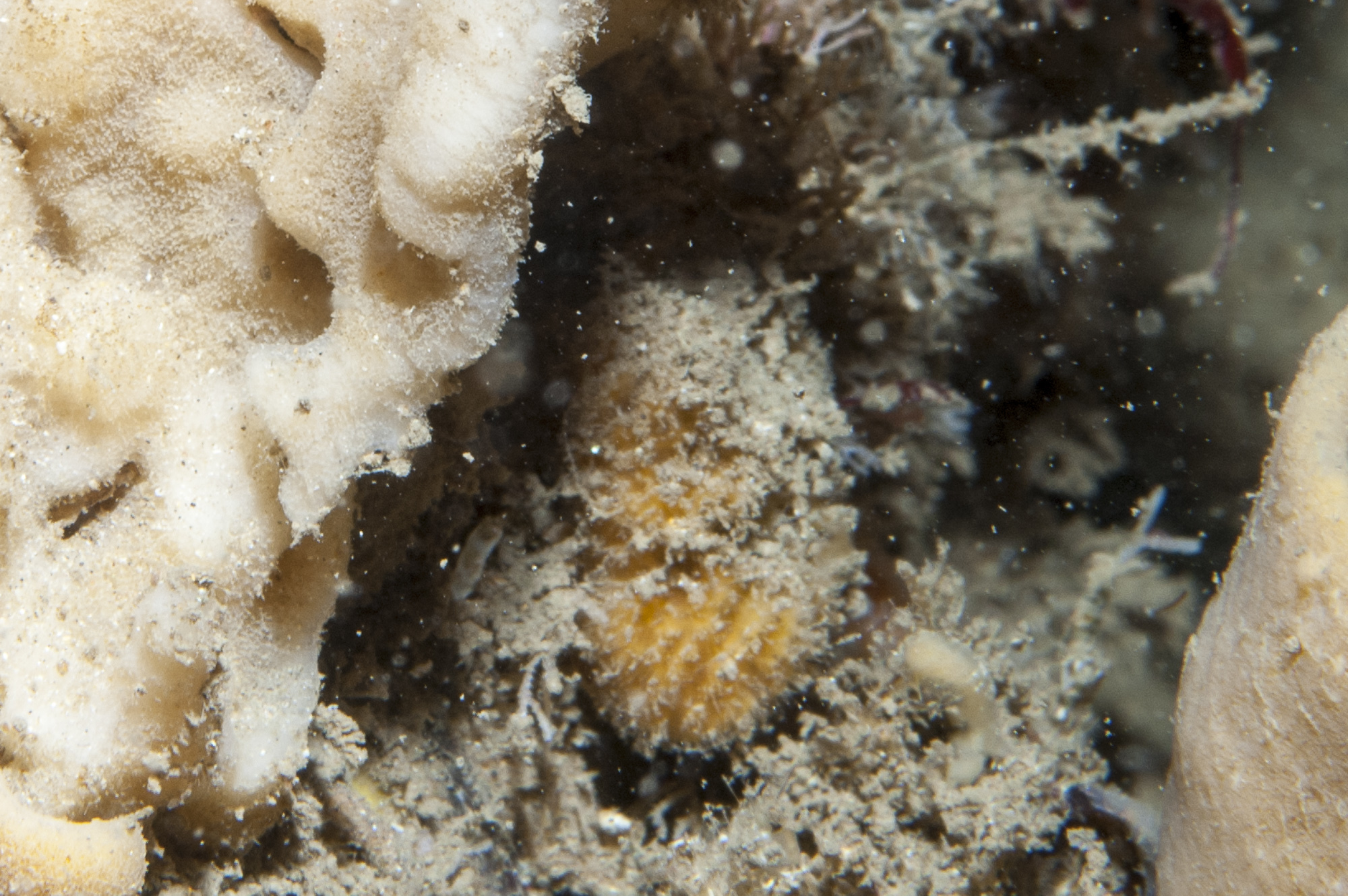
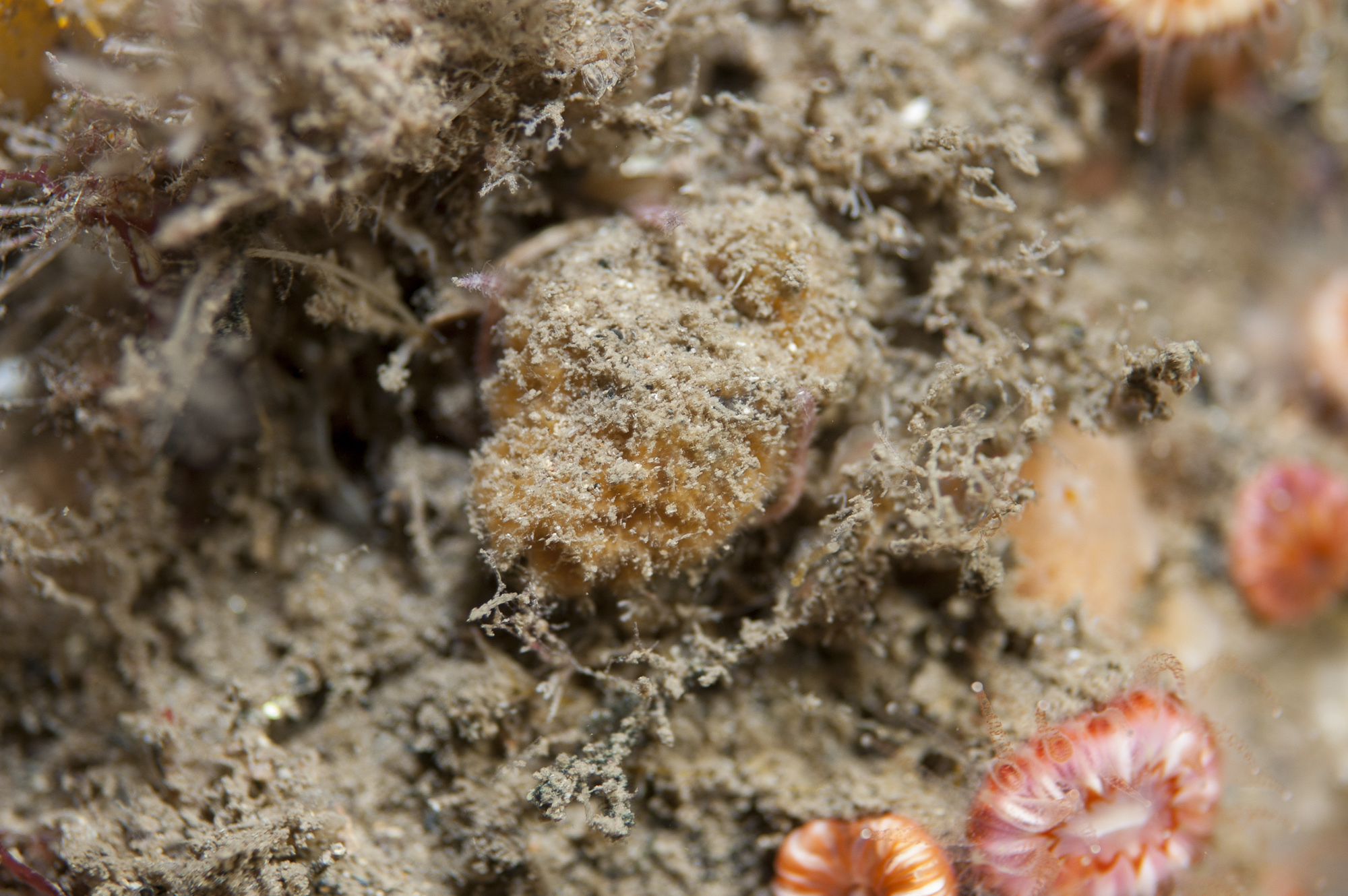
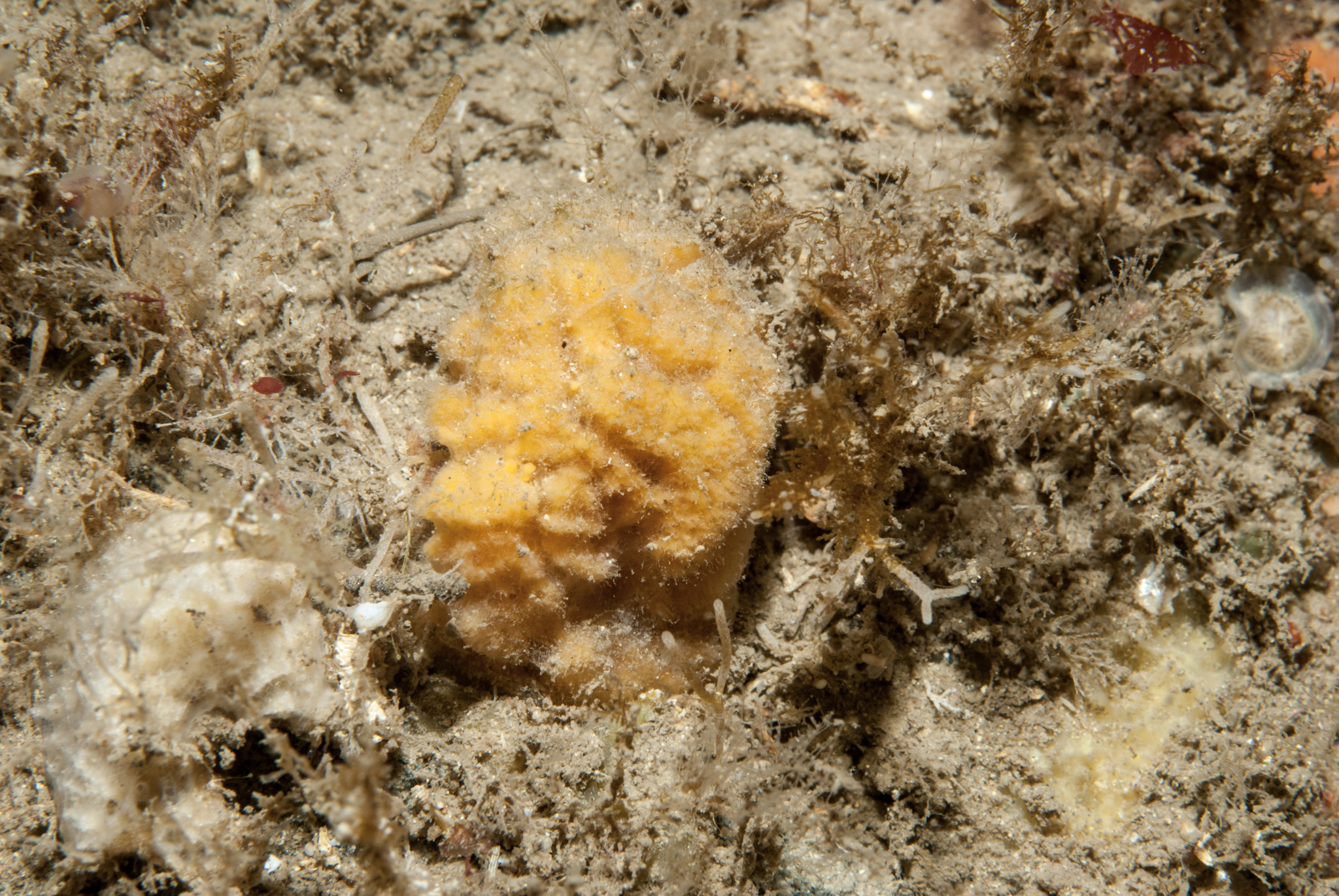
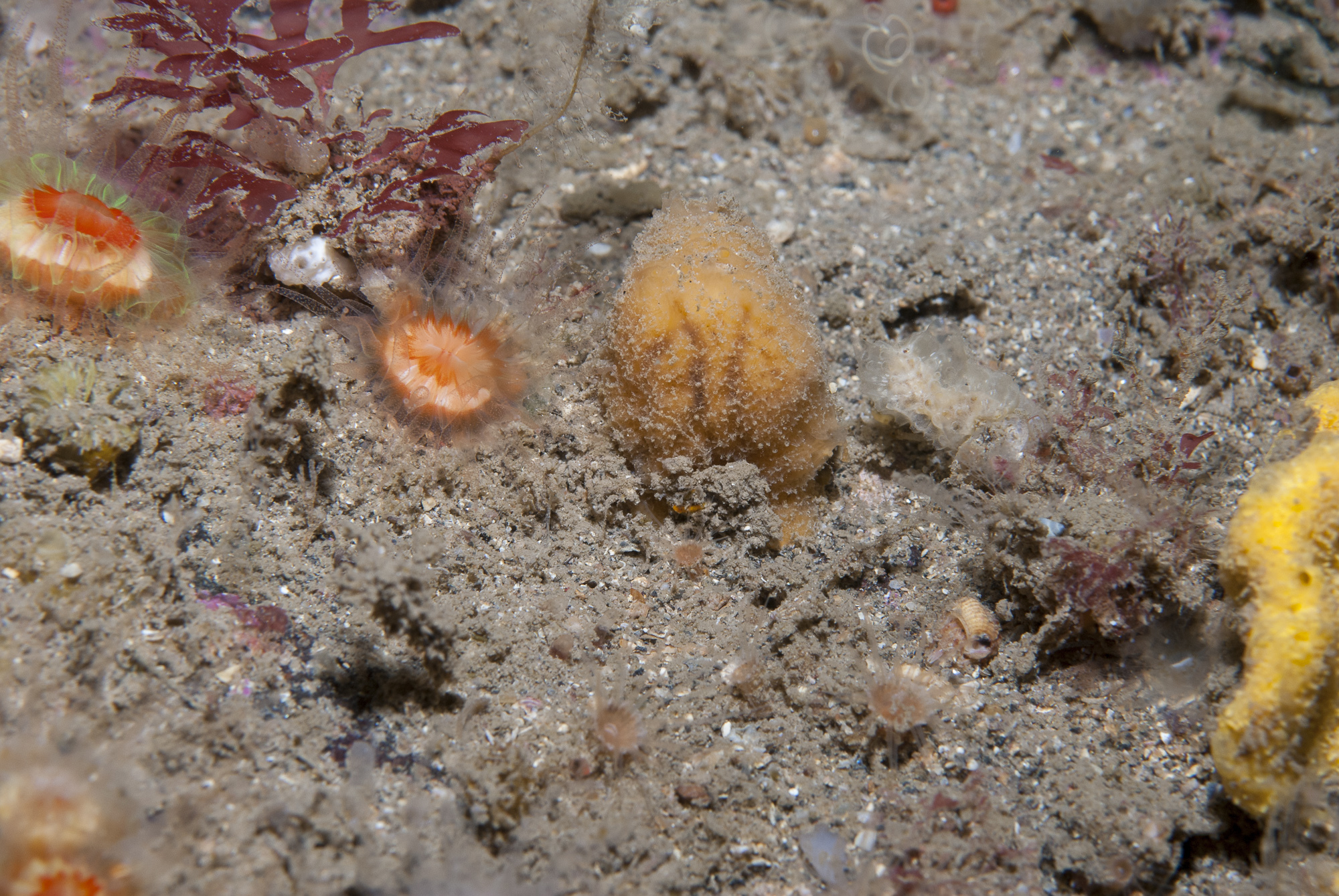
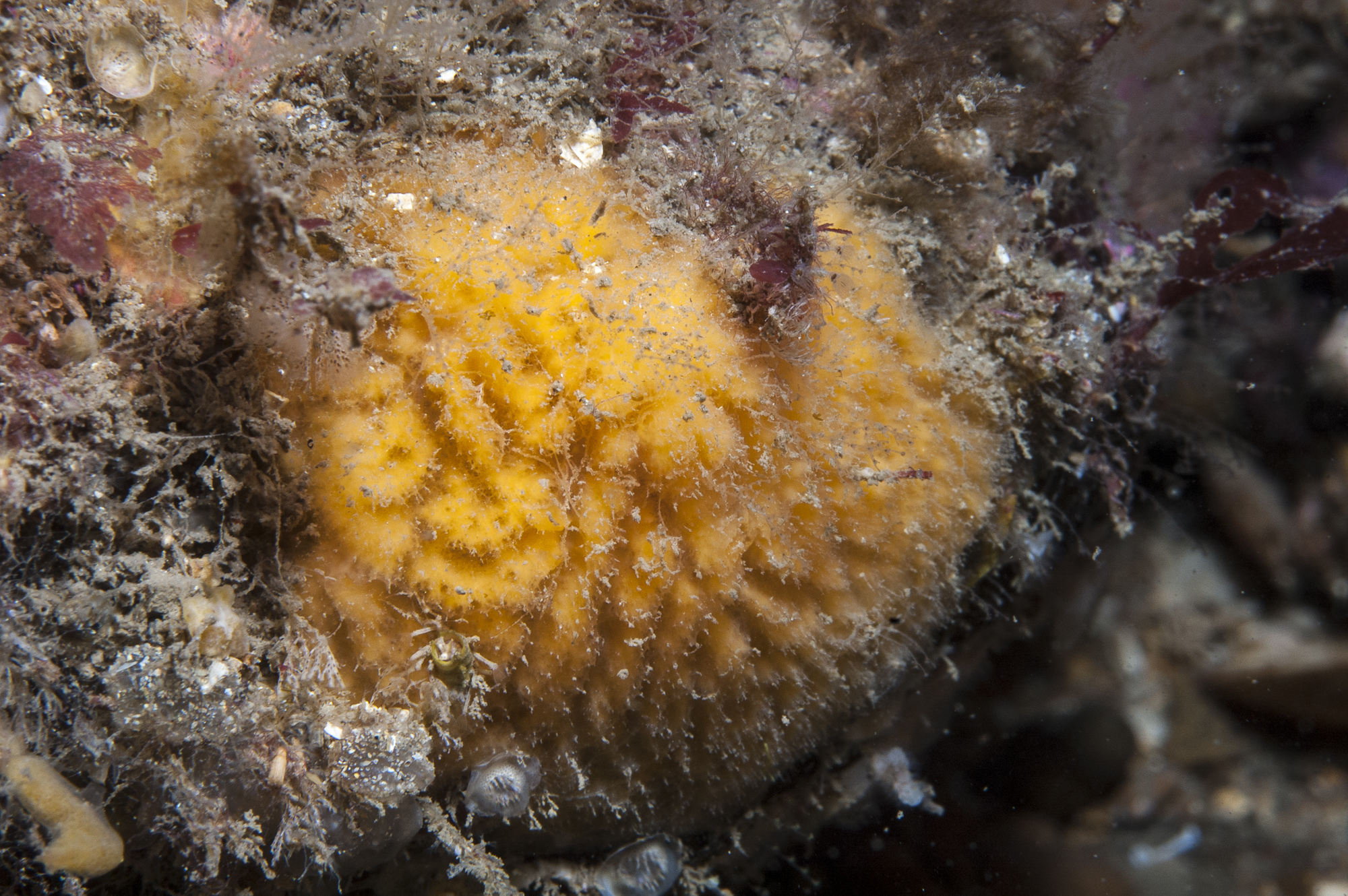
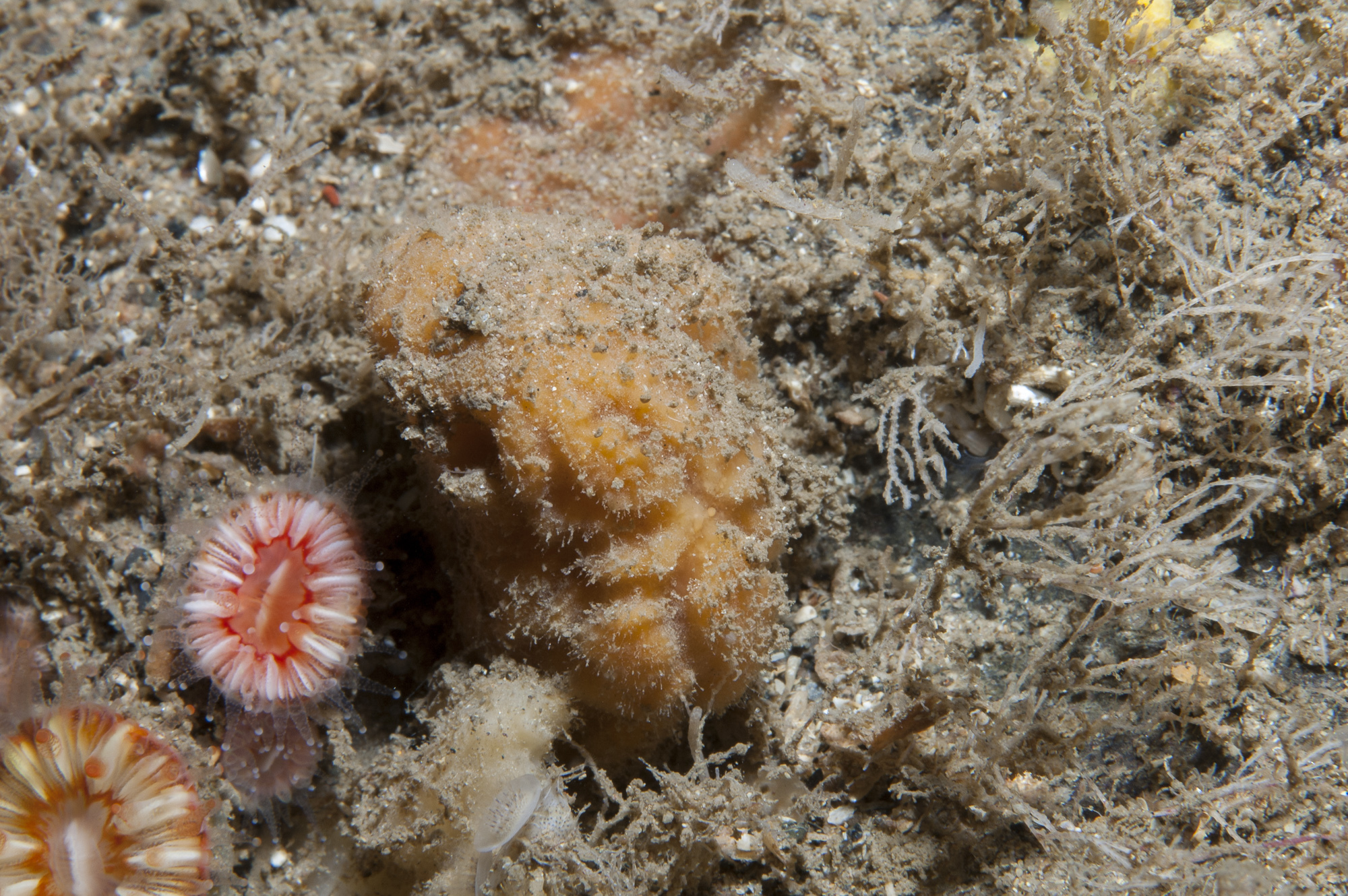
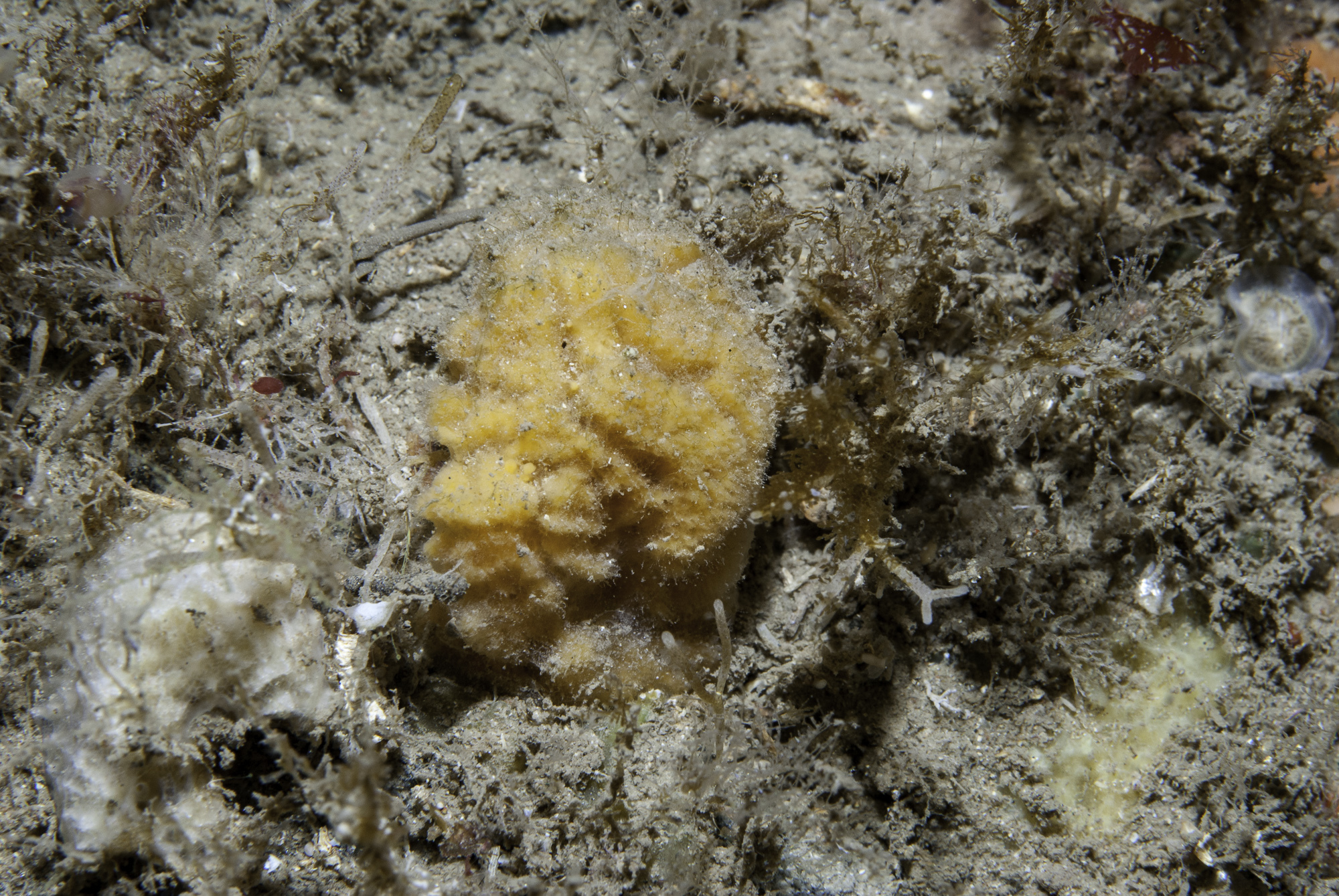
Available online image records for Axinella parva depict marine demosponges with an upright, branching (arborescent) habit. Images show multiple finger-like branches arising from a basal attachment, consistent with typical axinellid morphology, and an externally pale to light coloration.
Distribution and occurrence
GBIF lists Axinella parva (accepted) with the binomial Axinella parva Picton & Goodwin, 2007.[2]
Notes for identification and biology
This species is experimentally studied in the context of marine-derived bioactive extracts. A hepatocellular carcinoma (HCC) rat model study tested methanolic extracts from a Persian Gulf sponge identified as Holothuria parva (sea cucumber) alongside Haliclona oculata; the work reports mitochondrial effects in cancer vs. non-cancer hepatocytes, including increased reactive oxygen species, changes in mitochondrial membrane potential, swelling, cytochrome c release, and caspase-3 activation for the relevant extract condition.
Note: the cited experimental paper concerns Holothuria parva (a sea cucumber), not Axinella parva (a sponge).[3]
Molecular data
NCBI nucleotide records include Axinella parva (taxid 942640) in its Nucleotide search results.
Gallery
References
- ↑ Dataset view for Animalia / Porifera / Demospongiae / Axinellida / Axinellidae / Axinella / parva constructed from imageomics/TreeOfLife-200M records under this taxonomic path. Hugging Face Datasets. https://huggingface.co/datasets/imageomics/TreeOfLife-200M.
- ↑ Axinella parva Picton & Goodwin, 2007. GBIF. https://www.gbif.org/species/5183162. Accessed 2026-07-09.
- ↑ Enayatollah Seydi; Abbasali Motallebi; Maryam Dastbaz; Sahar Dehghan; Ahmad Salimi; Melika Nazemi; Jalal Pourahmad. Selective Toxicity of Persian Gulf Sea Cucumber (Holothuria parva) and Sponge (Haliclona oculata) Methanolic Extracts on Liver Mitochondria Isolated from an Animal Model of Hepatocellular Carcinoma. Hepatitis Monthly. 2015. https://doi.org/10.5812/hepatmon.33073.
- ↑ Axinella parva. NCBI Nucleotide. https://www.ncbi.nlm.nih.gov/nuccore/?term=txid942640[organism:exp]. Accessed 2026-07-10.