Australophyra
Taxonomy
This page represents the following TreeOfLife-200M taxonomic path.[1]
- Kingdom: Animalia
- Phylum: Arthropoda
- Class: Insecta
- Order: Diptera
- Family: Muscidae
- Genus: Australophyra
Visual Description
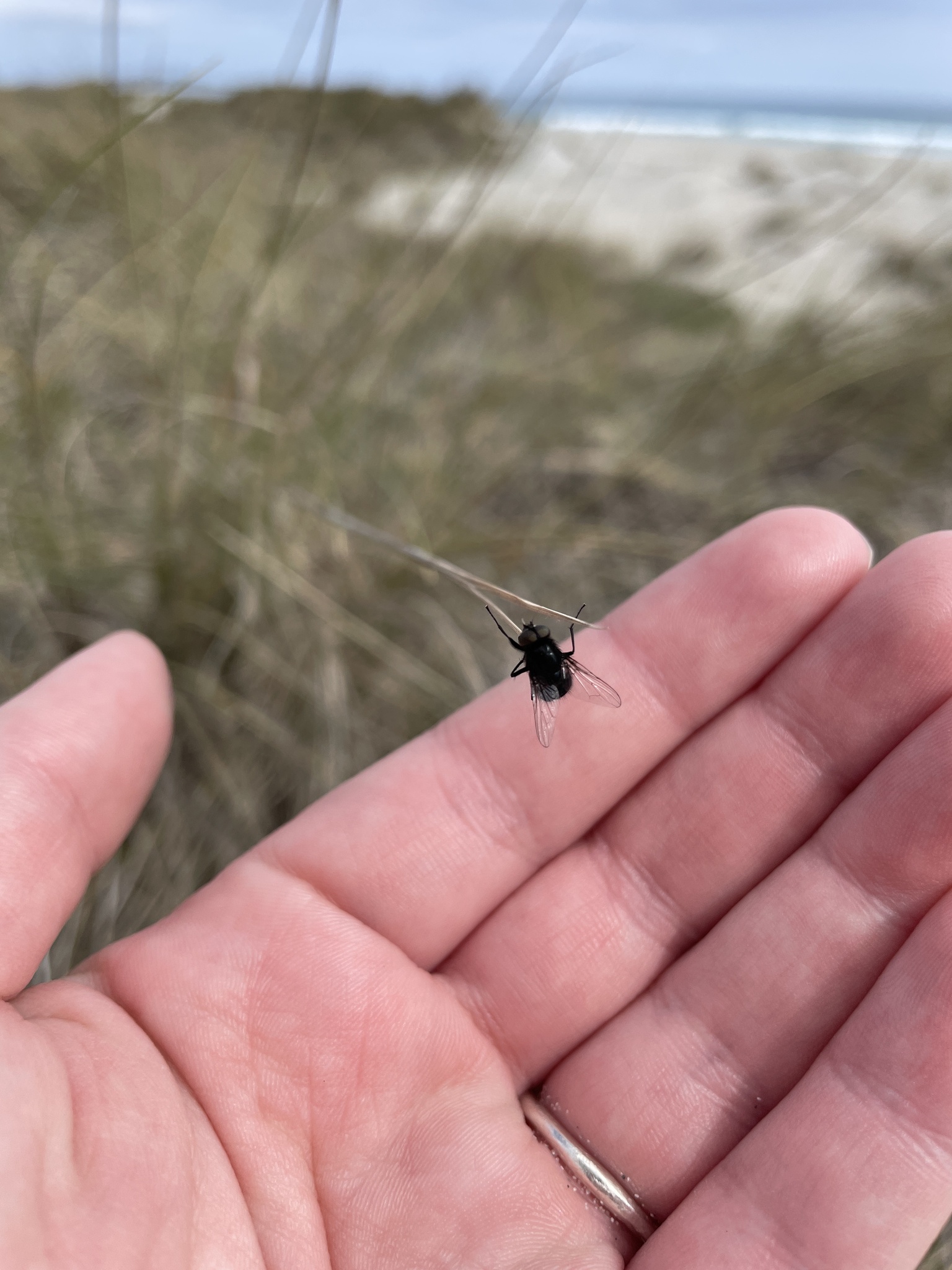
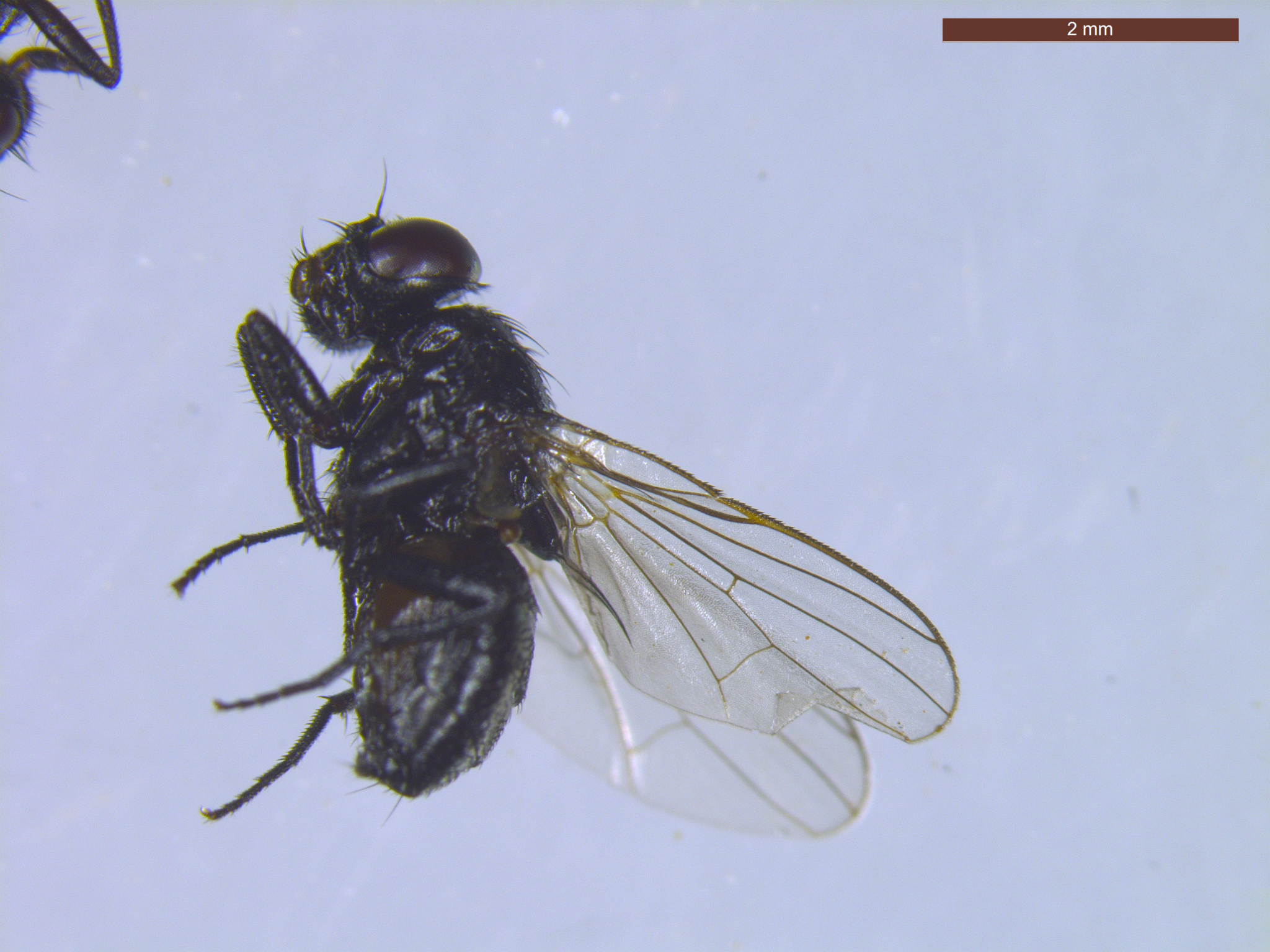
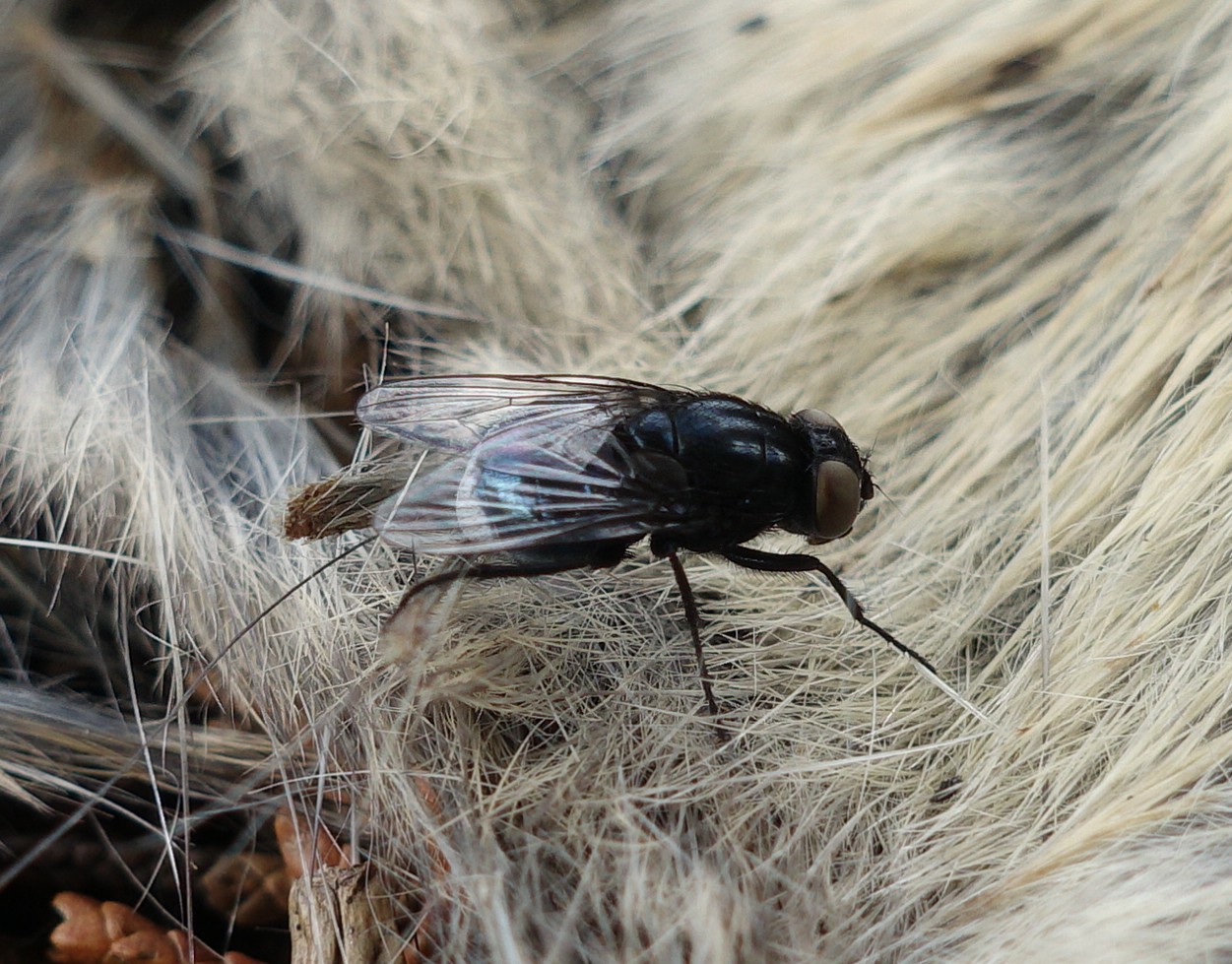
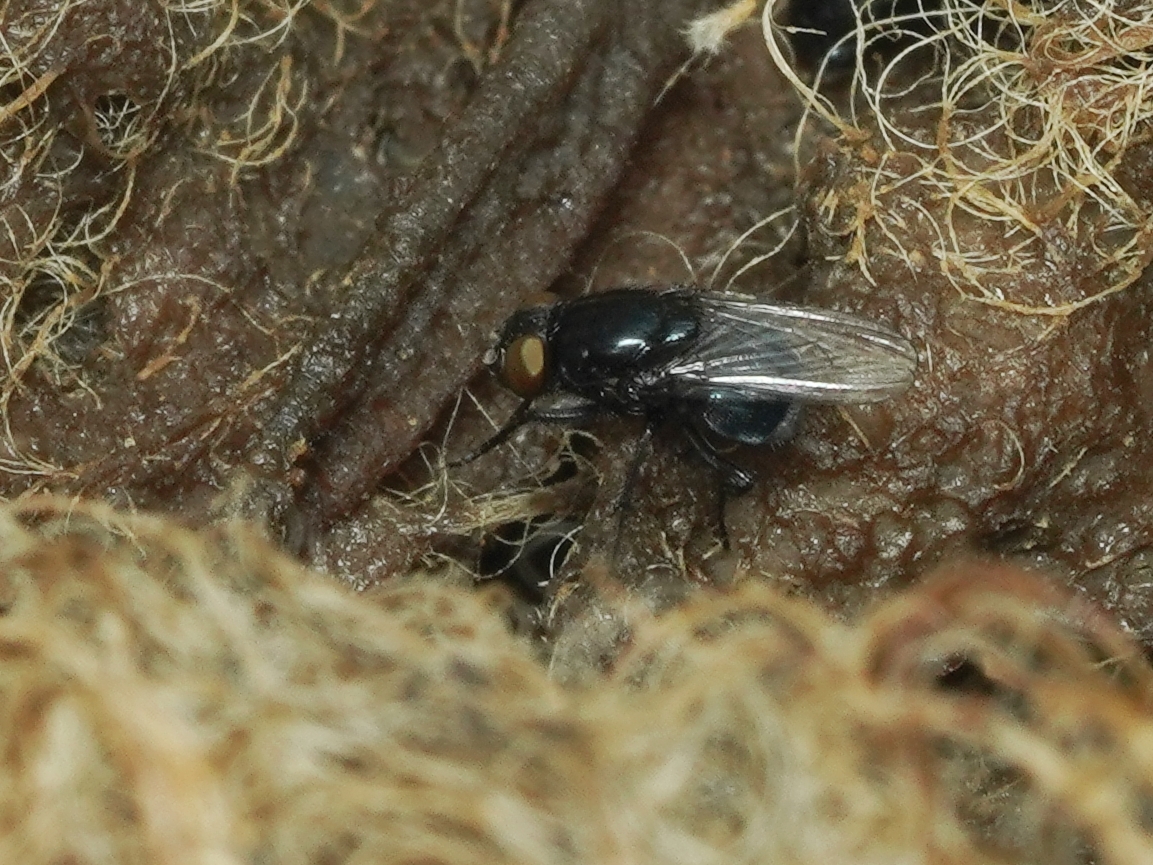
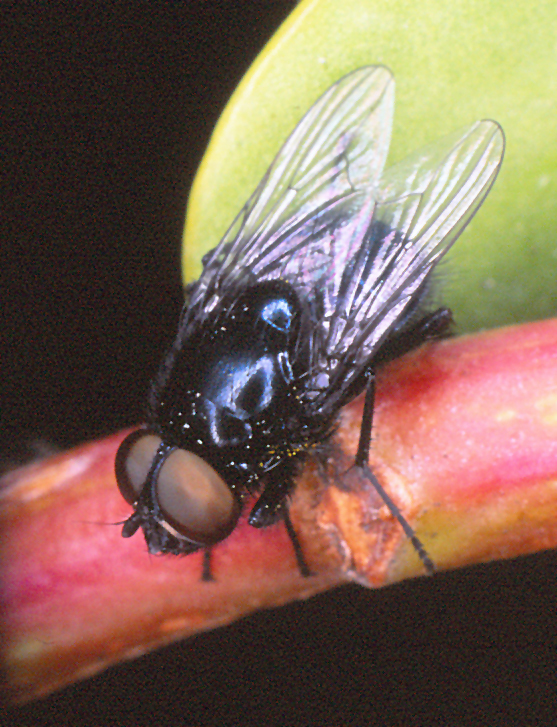
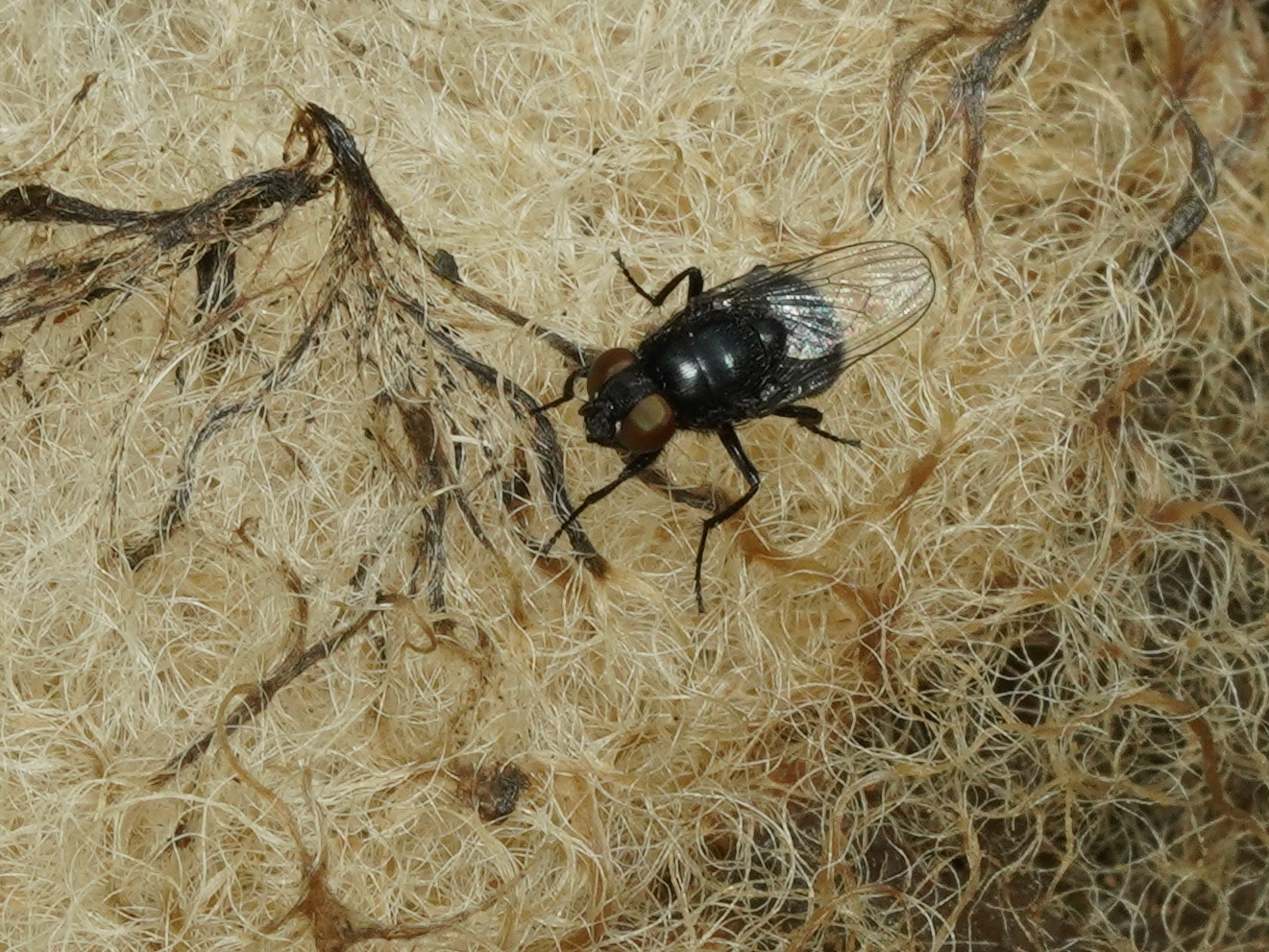
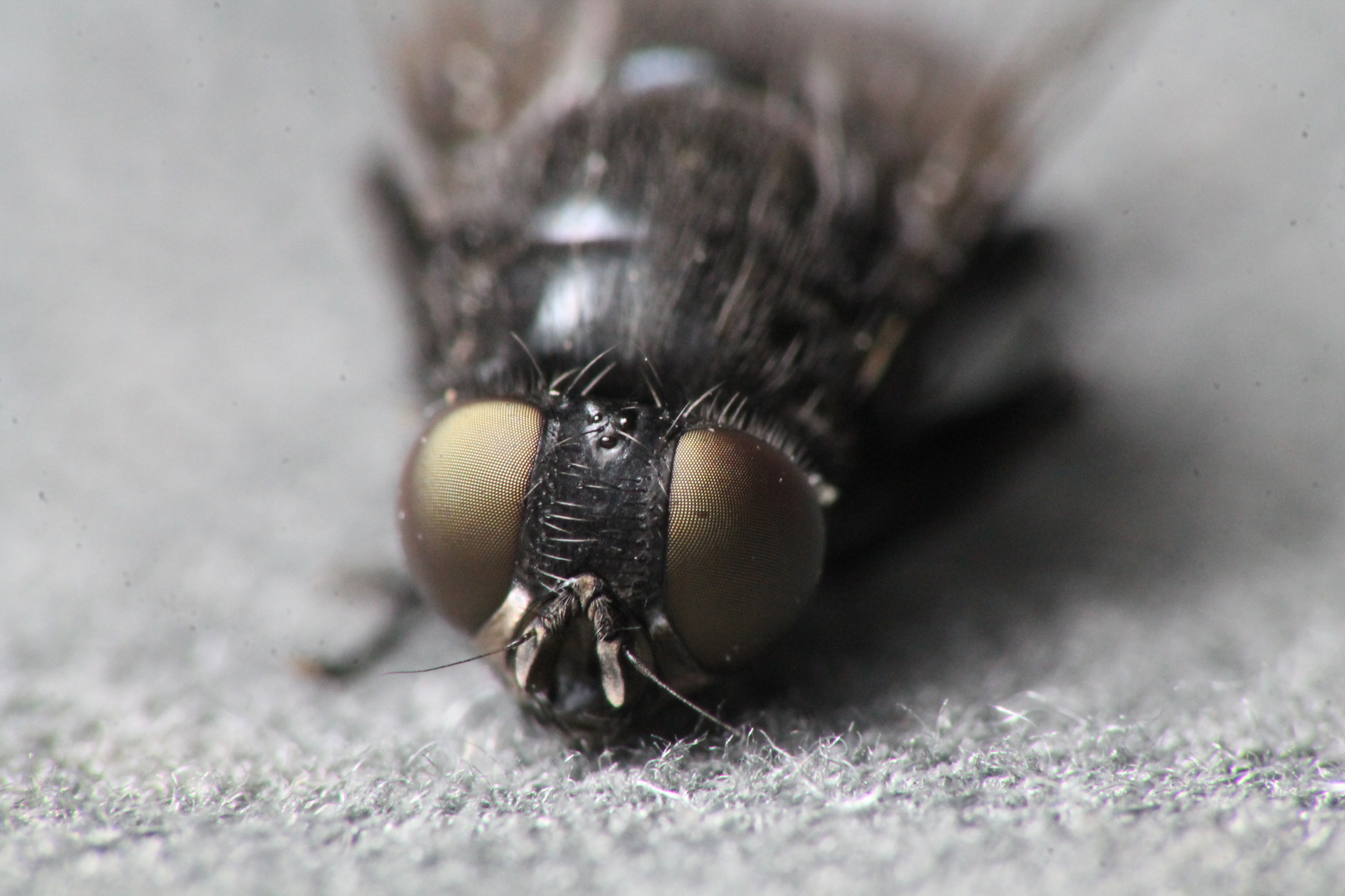
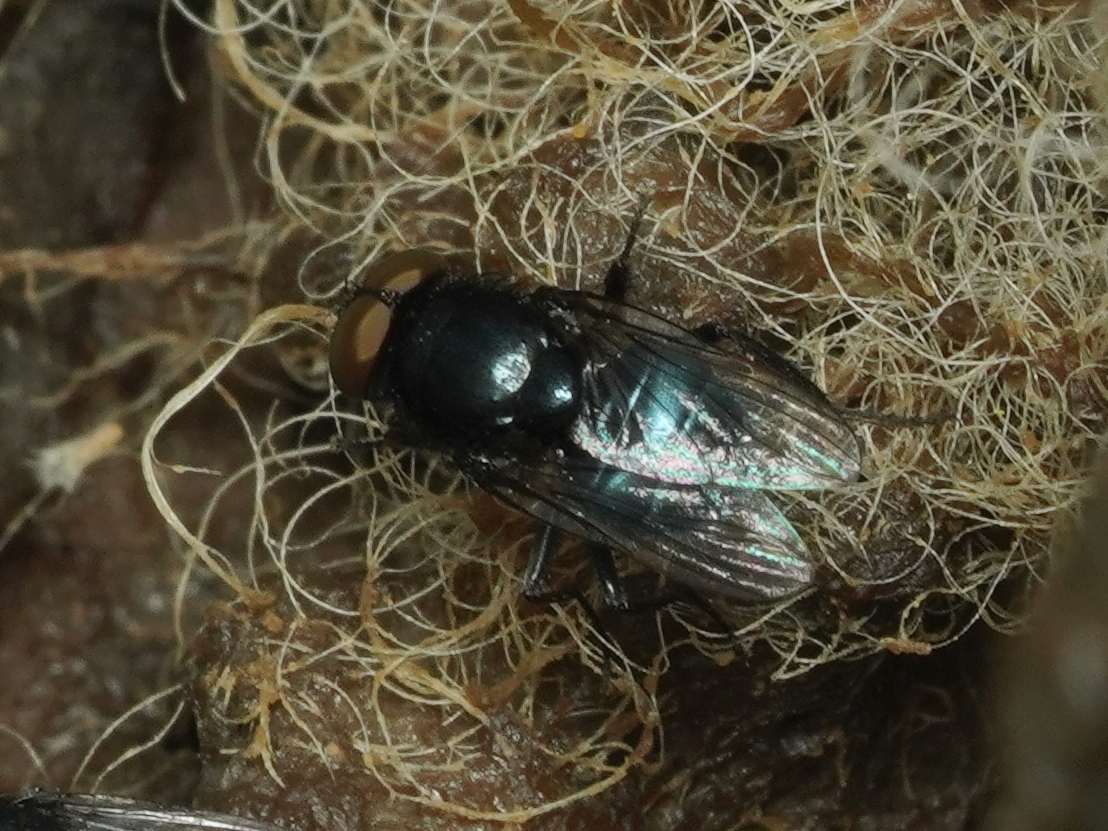
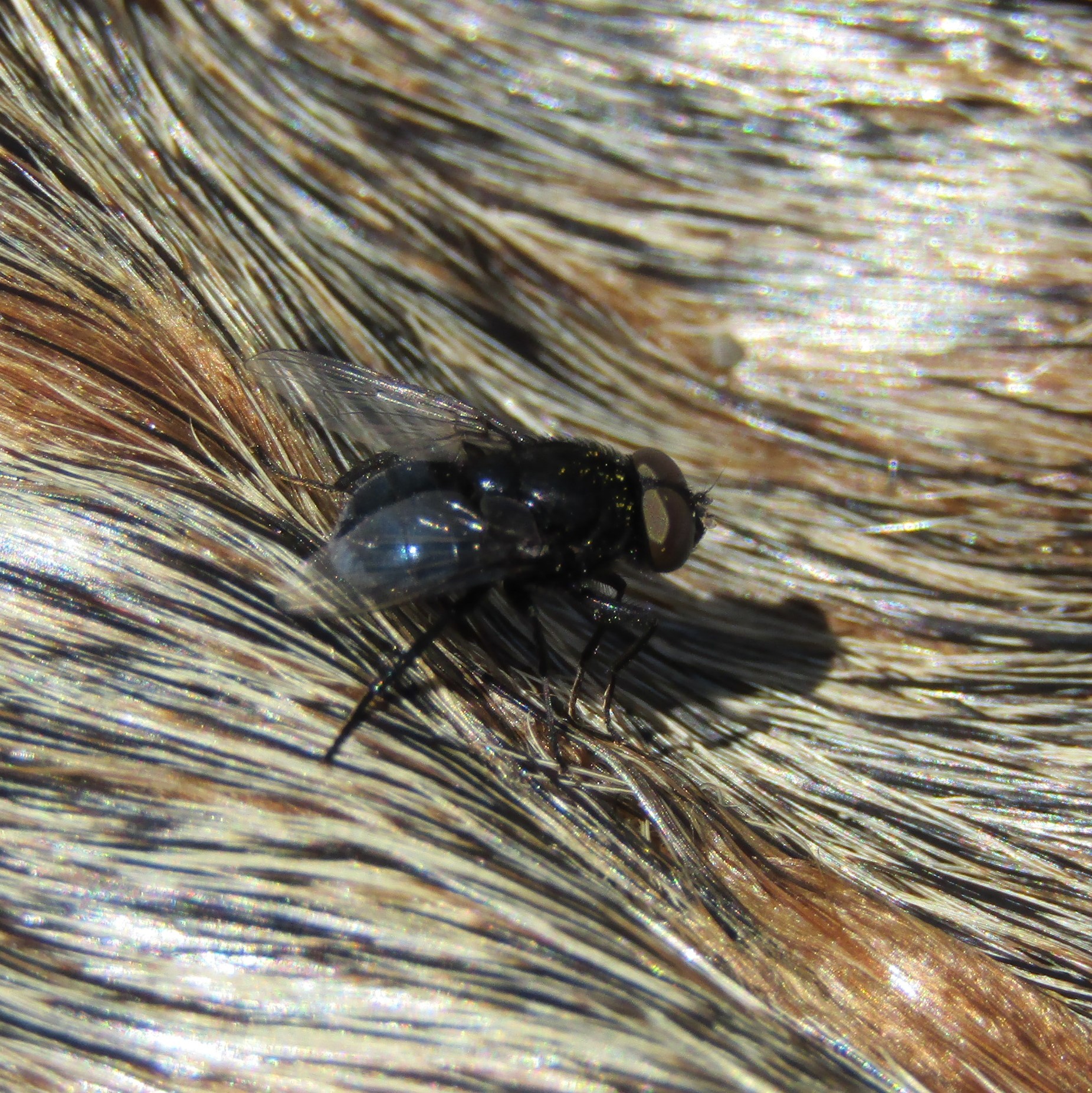
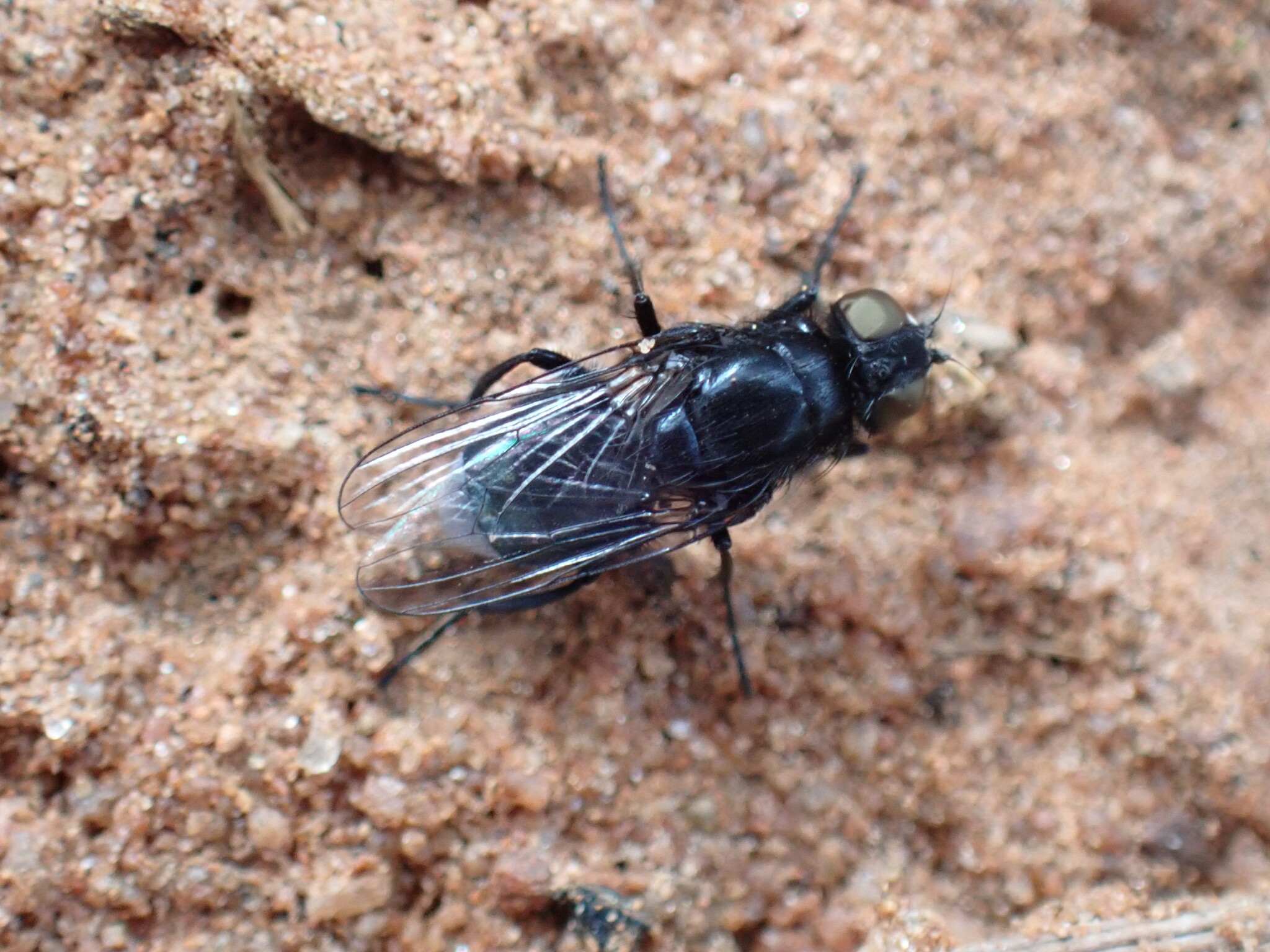
Based on observations from the TreeOfLife-200M dataset, Australophyra species, such as A. rostrata, exhibit typical muscid fly morphology.[1] They are characterized by a robust, compact body form with a distinct head featuring large, prominent compound eyes. The thorax is typically well-developed and may show dark, longitudinal striping or patterns. The wings are clear and membranous, held flat over the abdomen when at rest. The abdomen is often rounded or slightly tapered, with visible segmentation and a covering of fine, dark setae.[1]
Ecology and Interactions
Australophyra is a genus within the family Muscidae, with Australophyra rostrata being a notable species.[2] Research indicates that A. rostrata utilizes decomposing carrion as a larval breeding substrate.[3] Adult flies have been observed visiting carrot (Daucus carota) umbels in agricultural landscapes, and their abundance in these areas is positively associated with the availability of carrion-based resources.[3] Additionally, A. rostrata has been recorded in biotic interactions involving the consumption of carrion from mammals, such as the red-necked wallaby (Notamacropus rufogriseus) and domestic sheep (Ovis aries).[4]
Gallery
References
- 1 2 3 Dataset view for Animalia / Arthropoda / Insecta / Diptera / Muscidae / Australophyra constructed from imageomics/TreeOfLife-200M records under this taxonomic path. Hugging Face Datasets. https://huggingface.co/datasets/imageomics/TreeOfLife-200M.
- ↑ Australophyra Malloch, 1923. GBIF. https://www.gbif.org/species/4785847. Accessed 2026-07-16.
- 1 2 Blake M. Dawson; Nikolas P. Johnston; Stephanie Cerato; Raylea Rowbottom; C Spurr; Abby E. Davis; Romina Rader. Adding non-floral resources increases wild insect abundance but not yield in Australian hybrid carrot crops. Basic and Applied Ecology. 2025. https://doi.org/10.1016/j.baae.2025.01.007.
- ↑ Australophyra. Global Biotic Interactions. https://www.globalbioticinteractions.org/?targetTaxon=Australophyra. Accessed 2026-07-15.