Auloplacidae
Taxonomy
This page represents the following TreeOfLife-200M taxonomic path.[1]
- Kingdom: Animalia
- Phylum: Porifera
- Class: Hexactinellida
- Order: Sceptrulophora
- Family: Auloplacidae
Visual Description
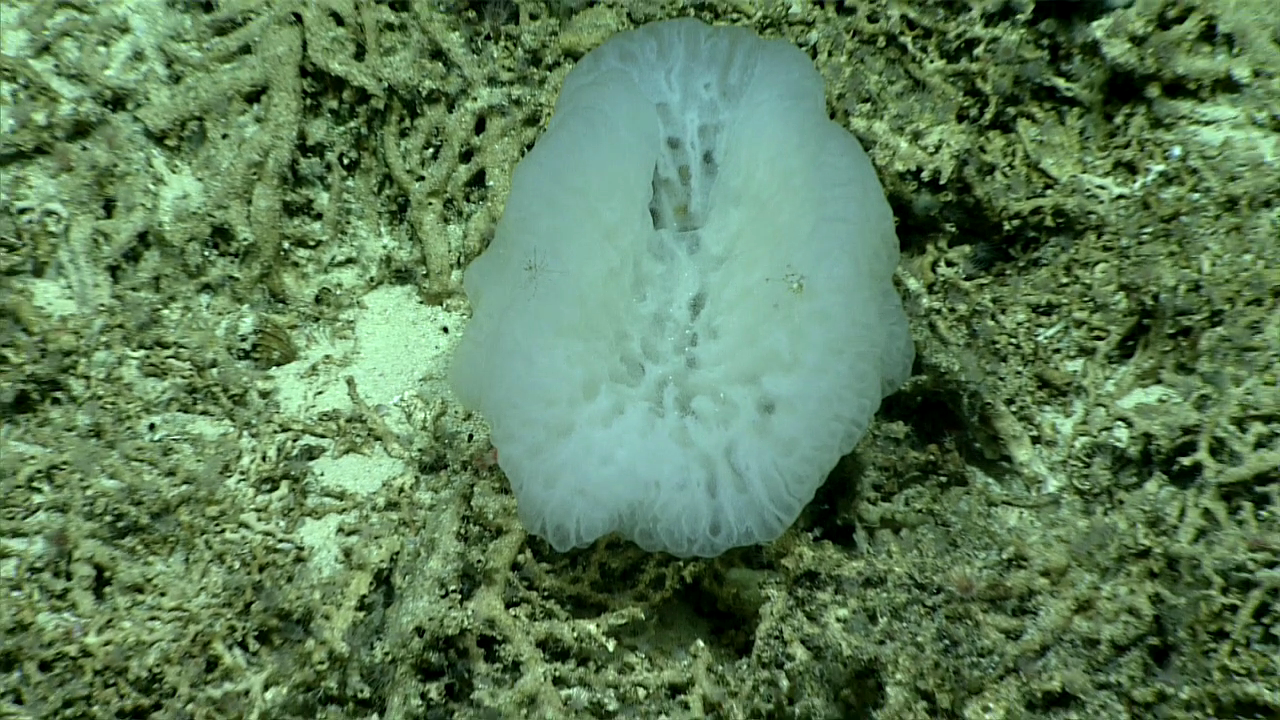
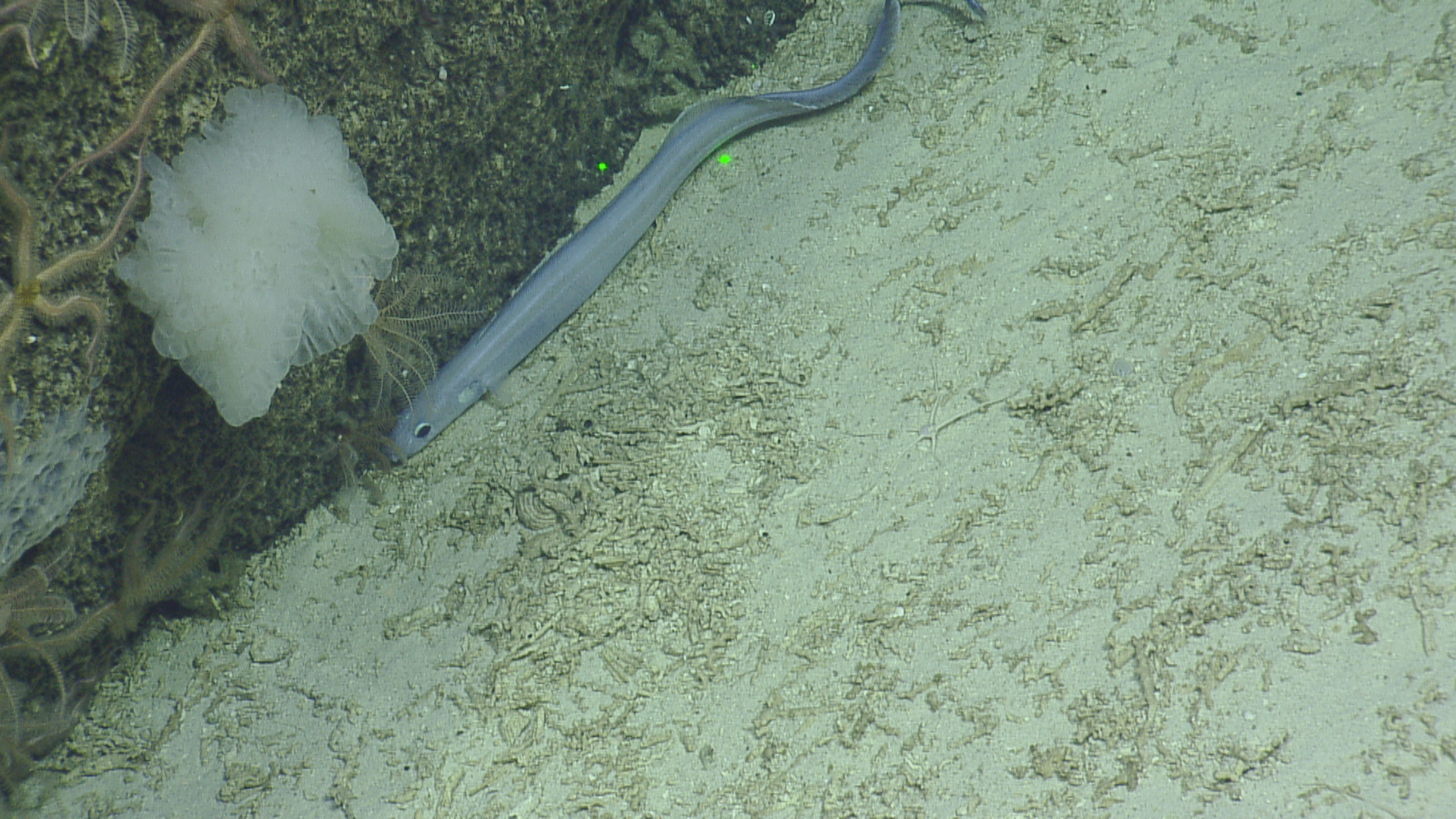
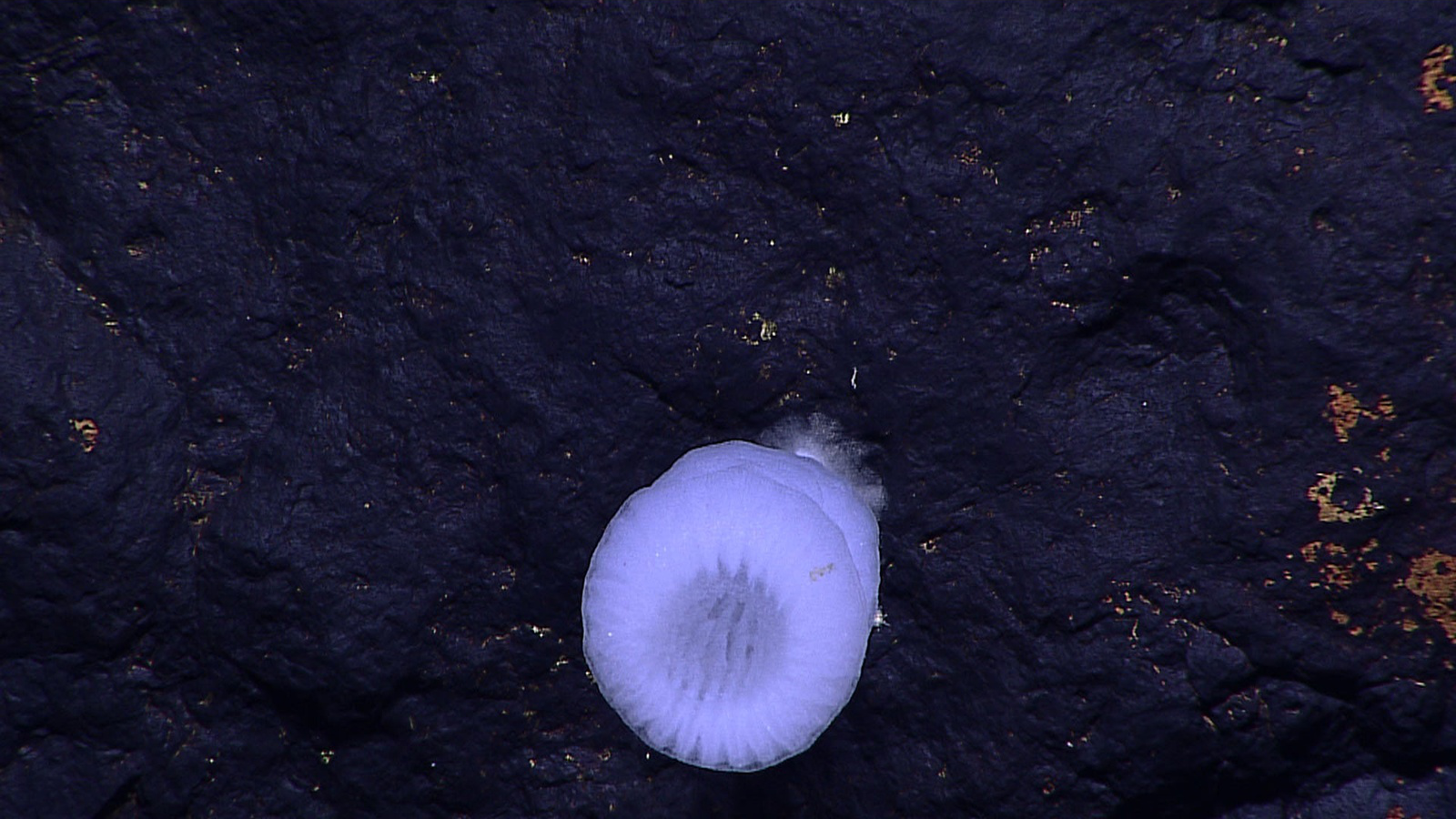
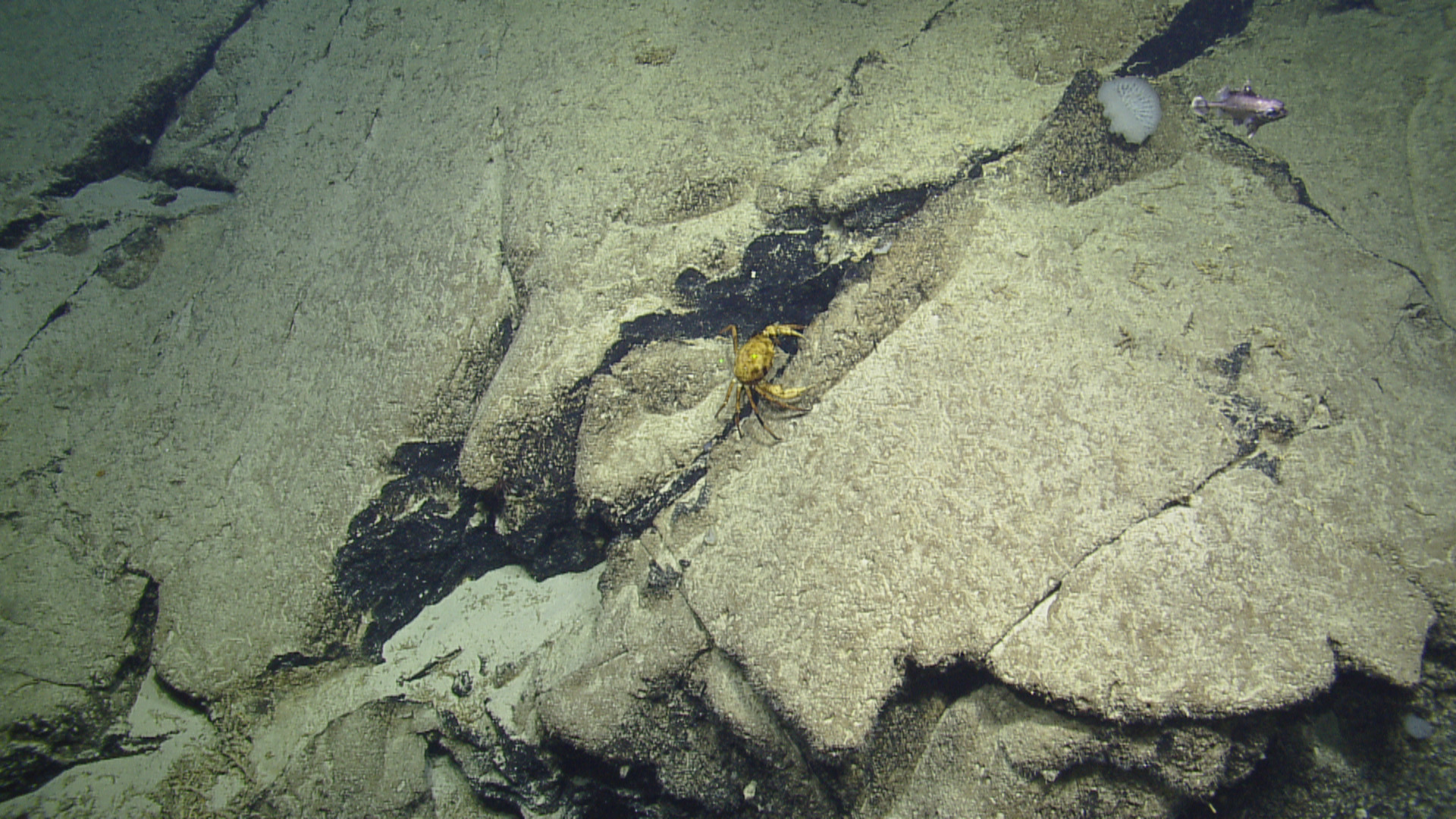
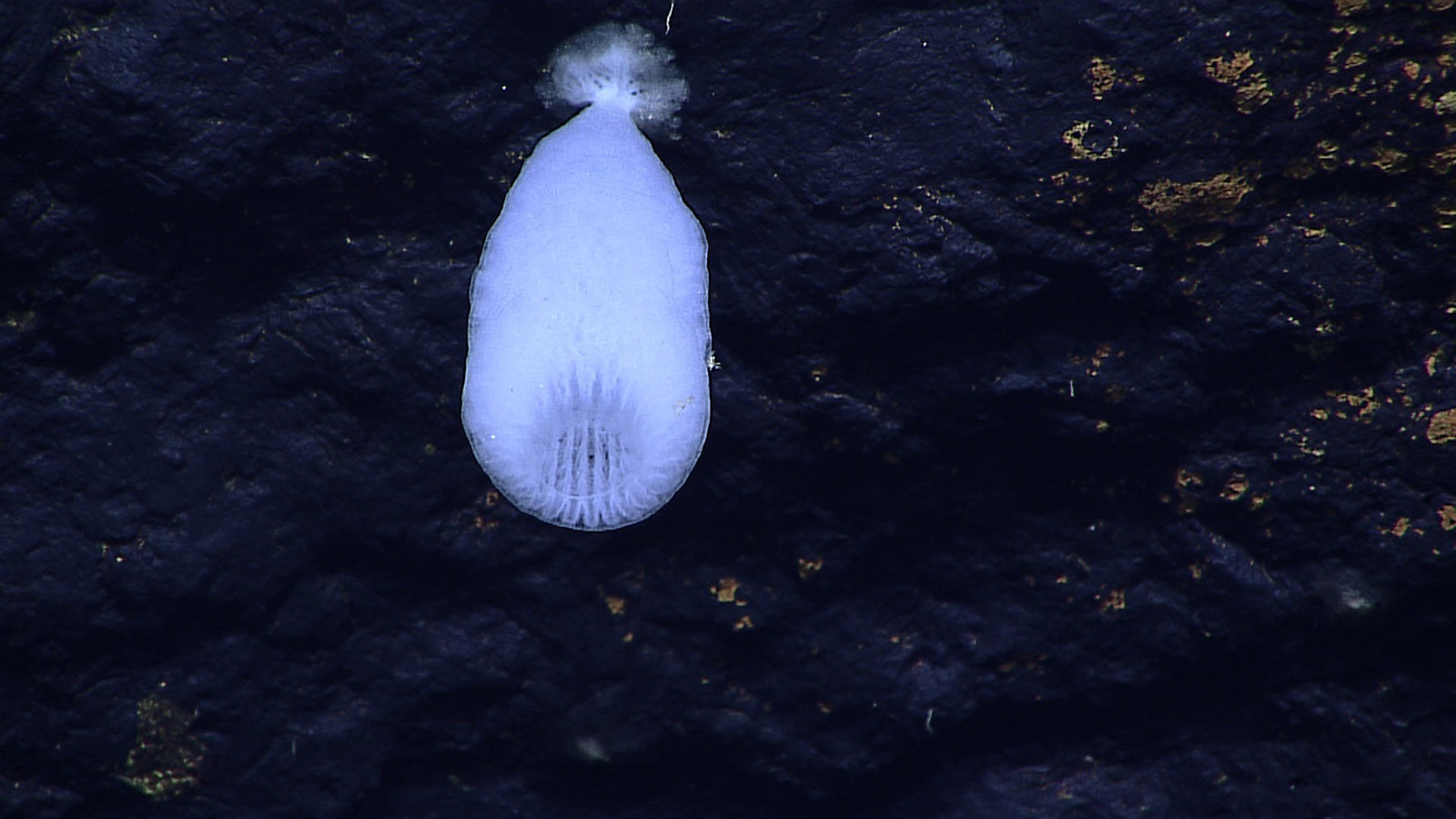
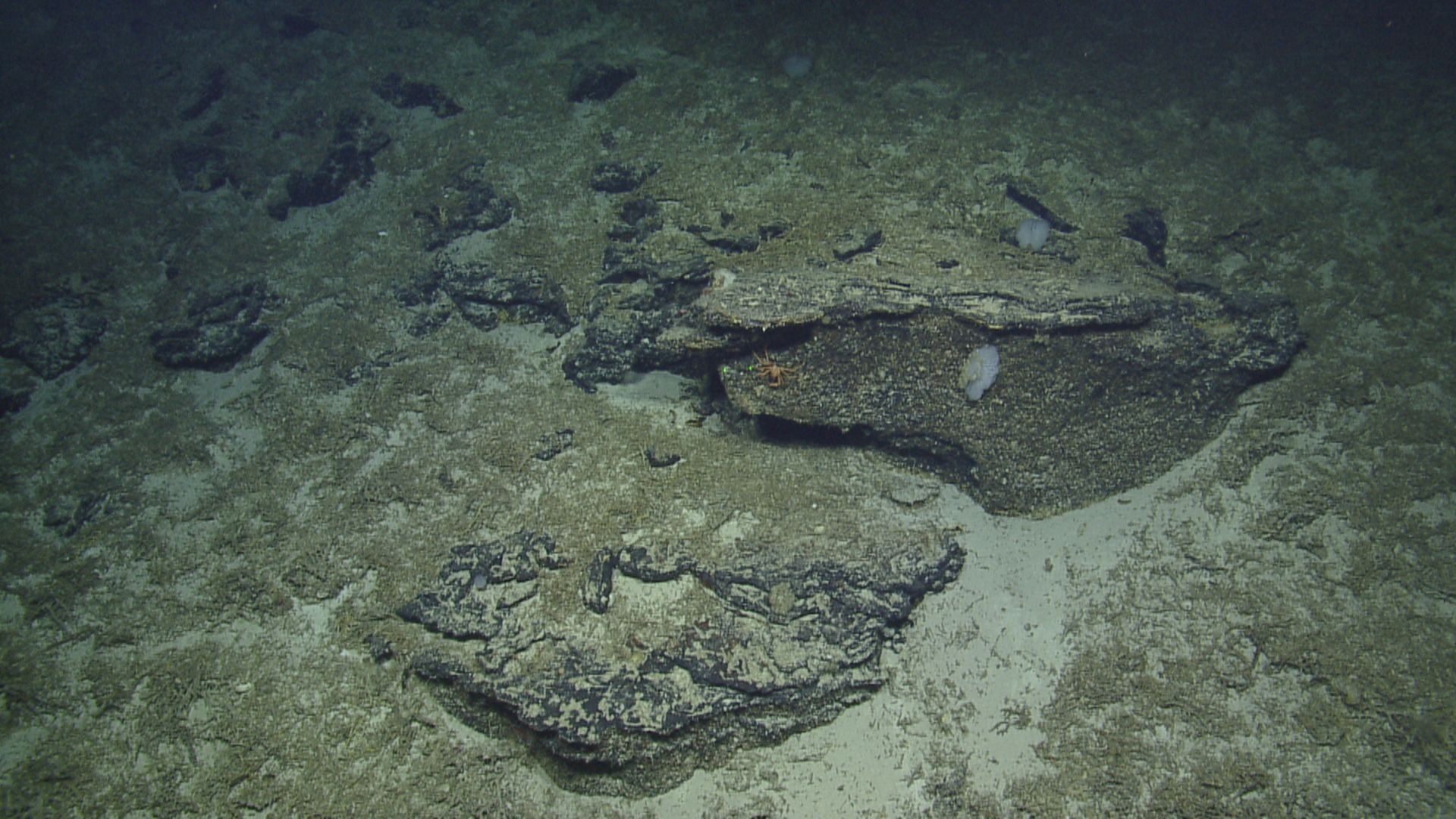
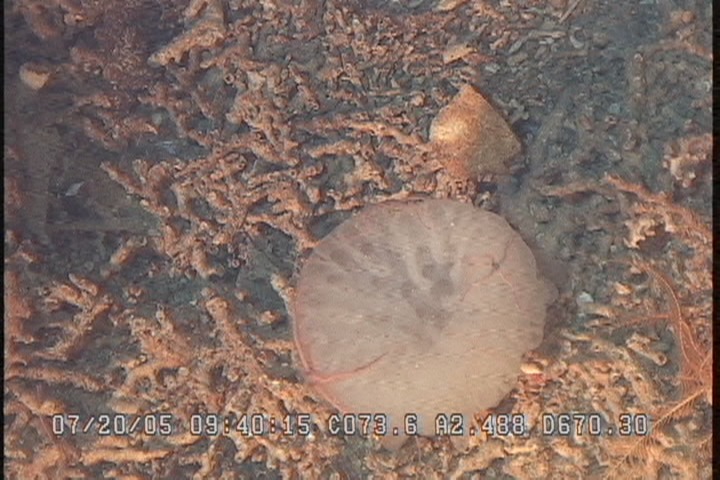
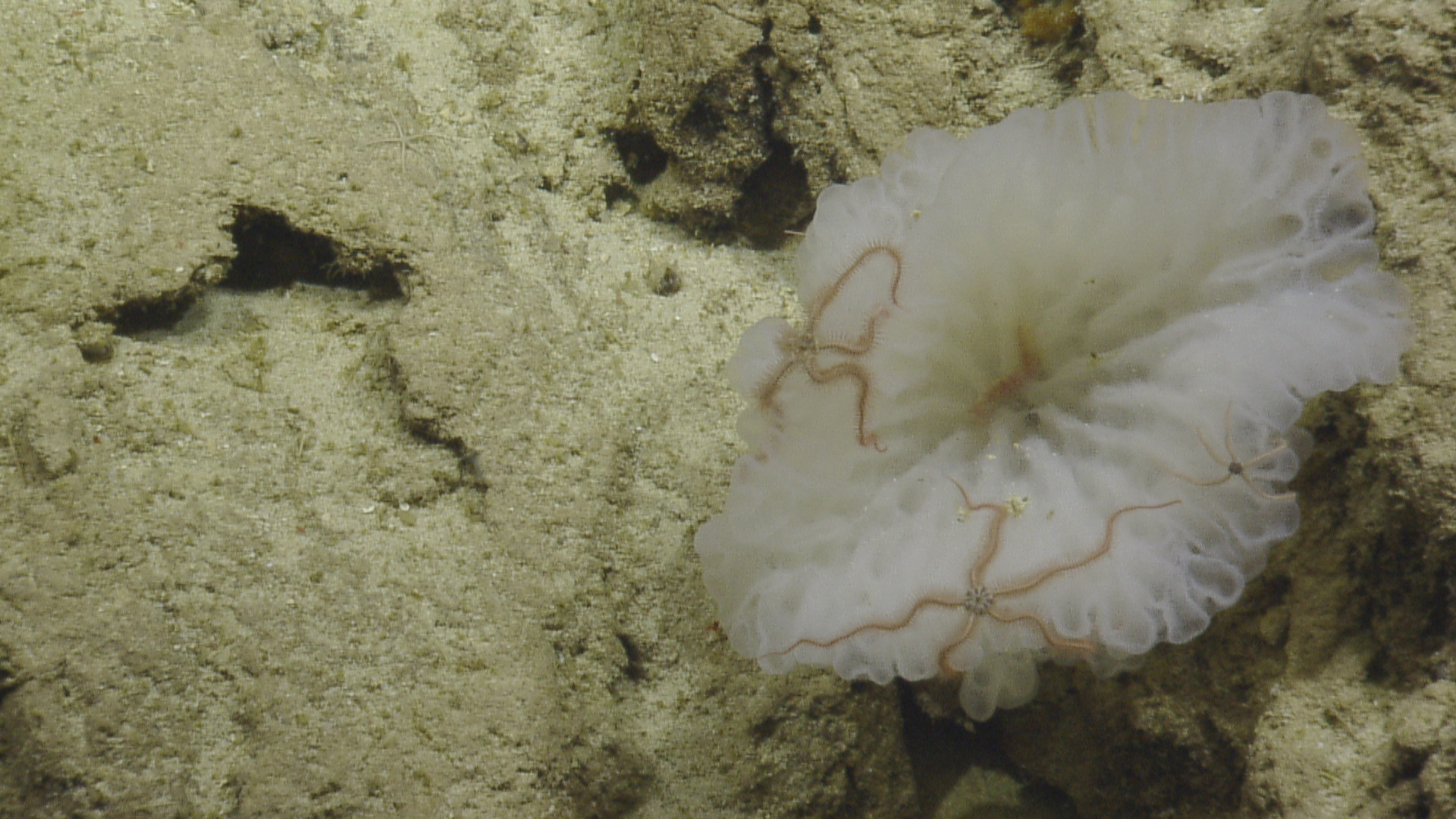
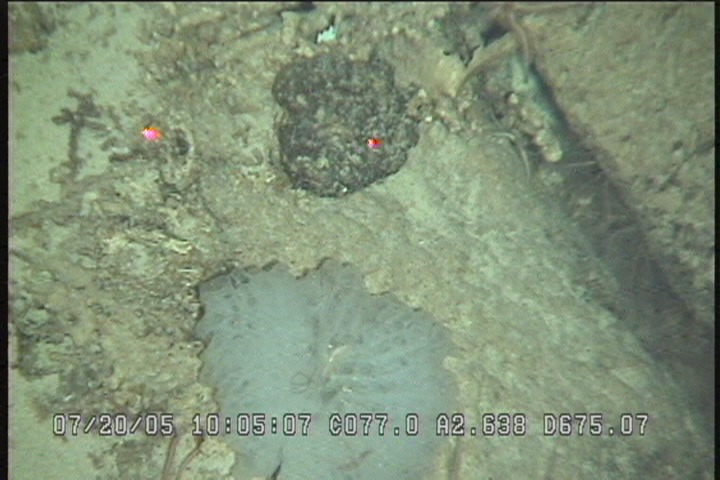
Specimens assigned to Auloplacidae in the available dataset imagery are small, sessile hexactinellid glass sponges with an overall upright to loosely clustered external shape. Their surfaces visually present rigid, glassy skeletal elements (reticulate/lattice-like structure), consistent with a siliceous internal spicule framework typical of Hexactinellida. Images frequently depict individual sponge bodies on the seafloor or attached to substrate.
General Biological Knowledge
Auloplacidae is a family of glass sponges (Hexactinellida, phylum Porifera). Like other hexactinellids, members possess a siliceous internal skeleton composed of hexactinellid spicules; the body plan is therefore strongly tied to skeletal architecture (spicule arrangement and fusion patterns), alongside associated soft tissues.
In systematic and evolutionary studies, Auloplacidae-level taxa are used to infer broader patterns of hexactinellid skeletal evolution. For example, integrative (total-evidence) frameworks combine morphological character data with molecular evidence to reconstruct phylogeny and to interpret how major skeletal “body plans” evolve through evolutionary history.
Gallery
References
- ↑ Dataset view for Animalia / Porifera / Hexactinellida / Sceptrulophora / Auloplacidae constructed from imageomics/TreeOfLife-200M records under this taxonomic path. Hugging Face Datasets. https://huggingface.co/datasets/imageomics/TreeOfLife-200M.