Aulagromyza heringii
Taxonomy
This page represents the following TreeOfLife-200M taxonomic path.[1]
- Kingdom: Animalia
- Phylum: Arthropoda
- Class: Insecta
- Order: Diptera
- Family: Agromyzidae
- Genus: Aulagromyza
- Species: Aulagromyza heringii
Visual Description
Aulagromyza heringii is a small fly, with adults characterized by a predominantly yellowish body coloration.[2] Sexual dimorphism is evident in the antennae: males possess a bright yellow third antennal segment, whereas in females, this segment is inconspicuously darkened distally.[2] Wing venation typically includes an outer cross-vein, although this structure can be variable and is sometimes absent.[2] The puparium is brown, featuring slender front spiracula that contrast with the squat rear spiracula.[2] Observations of museum specimens in the TreeOfLife-200M dataset confirm these general morphological features.[1]
Ecology and Life History
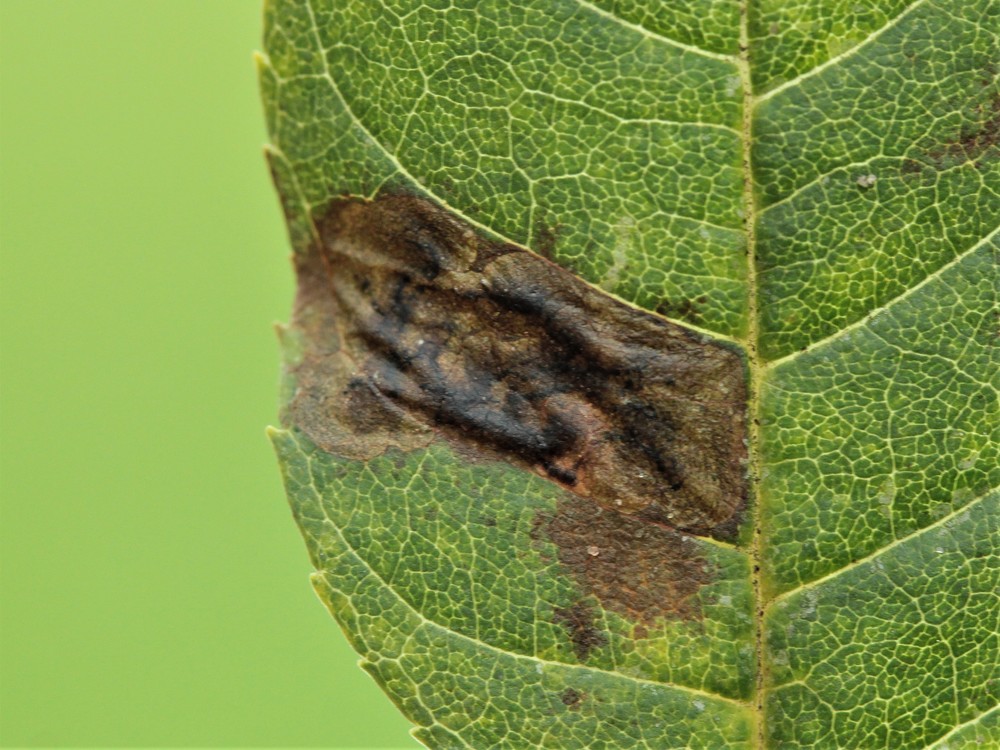
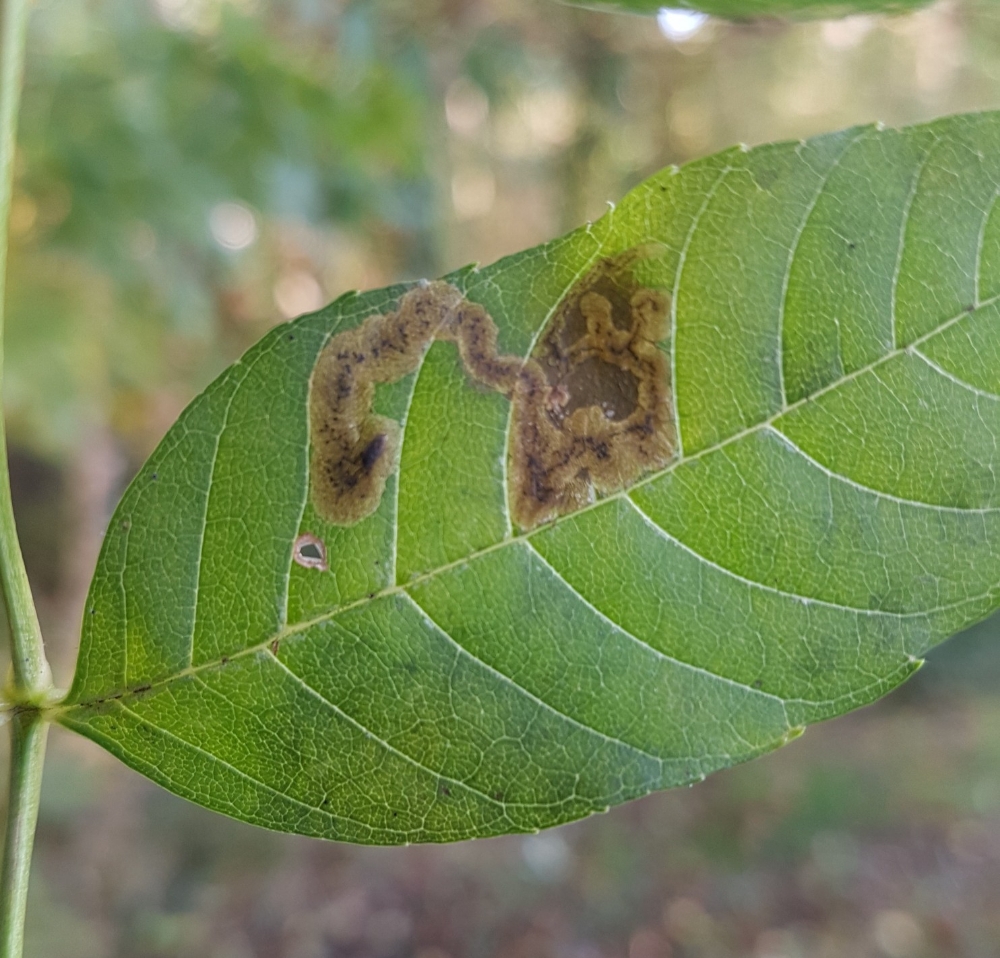
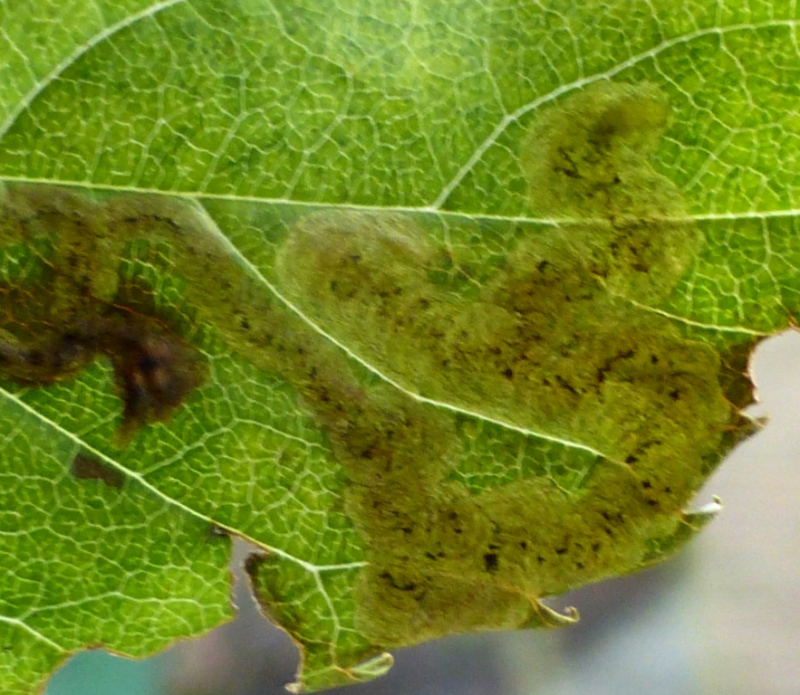
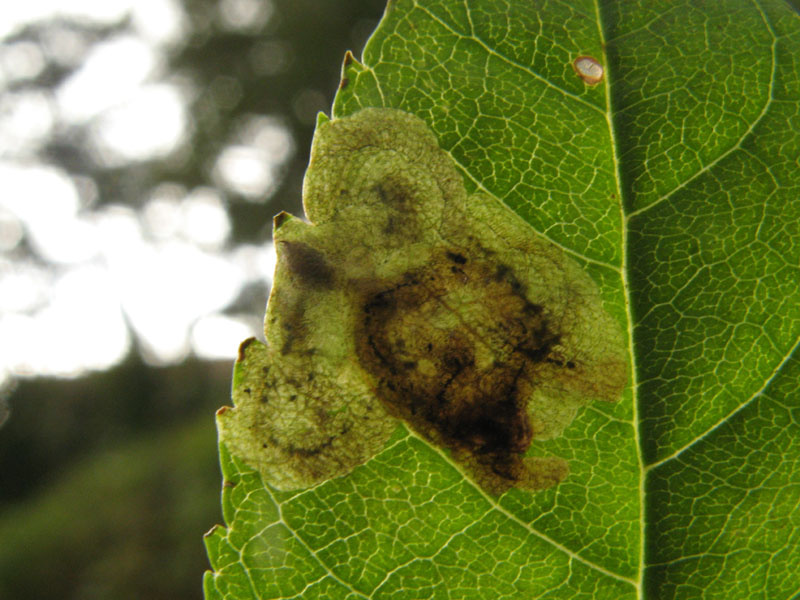
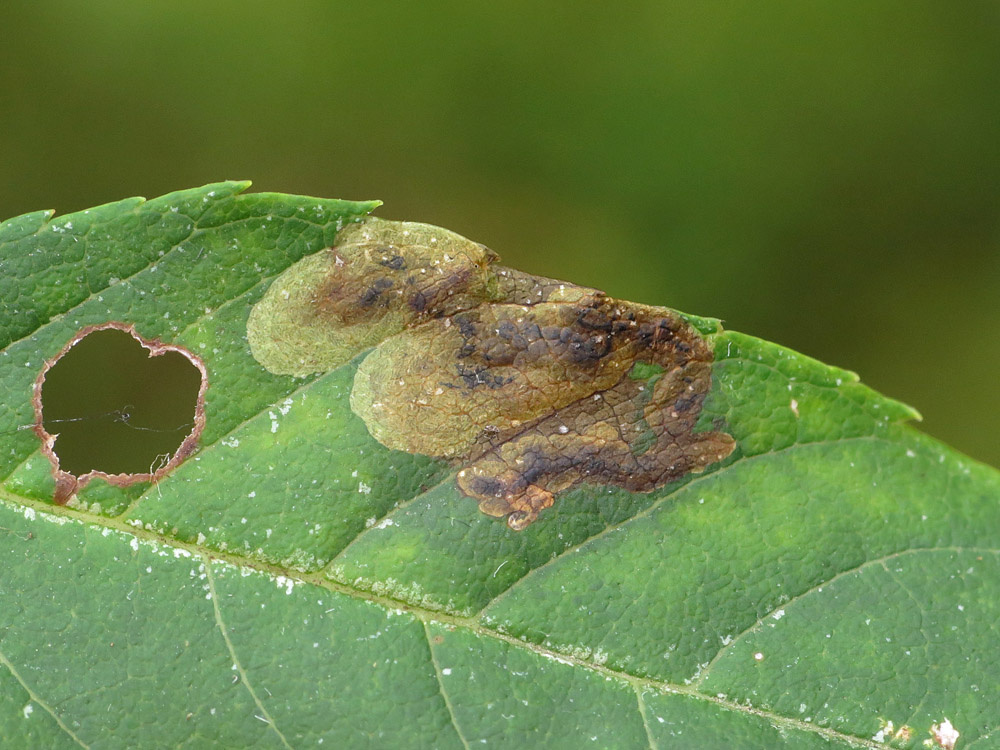
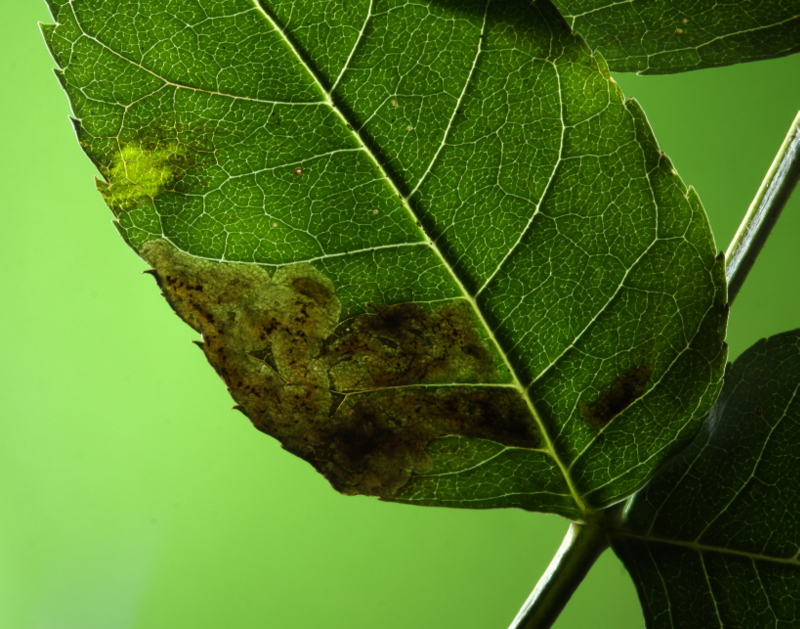
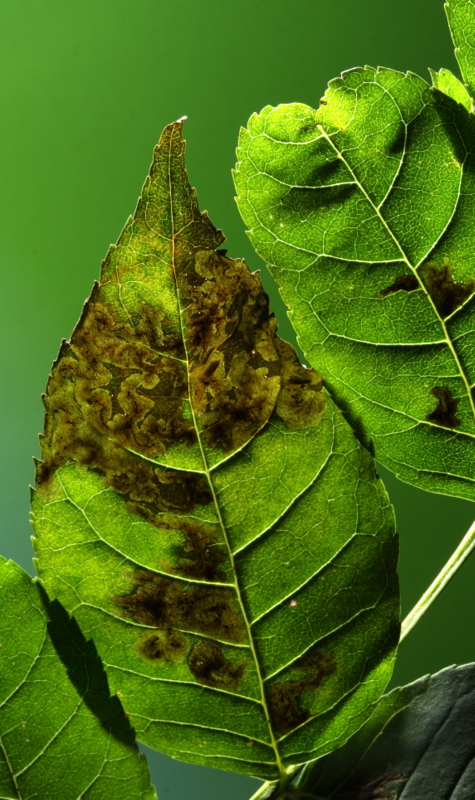
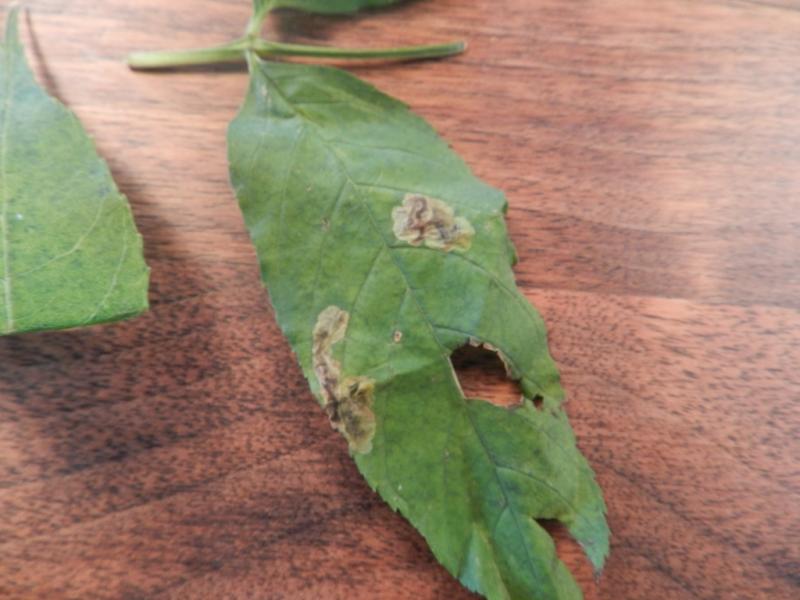
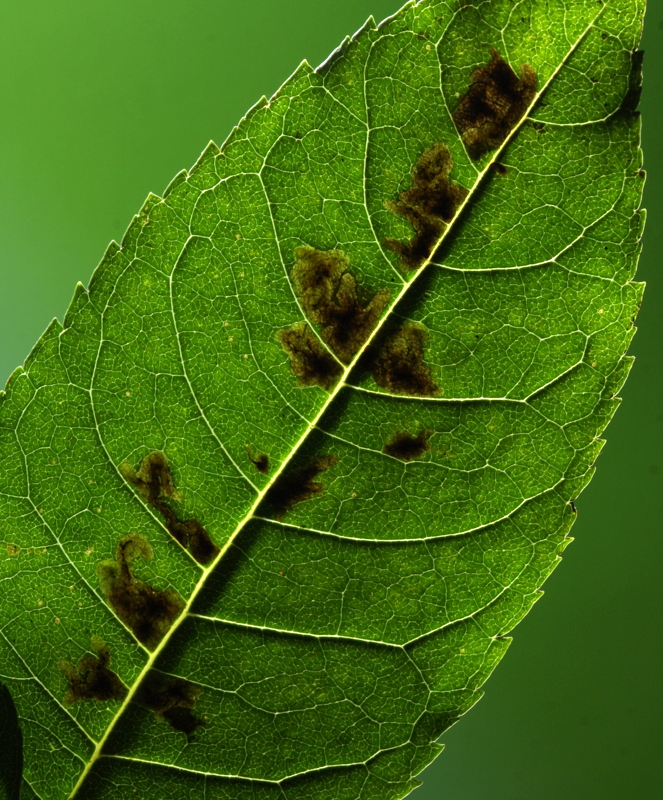
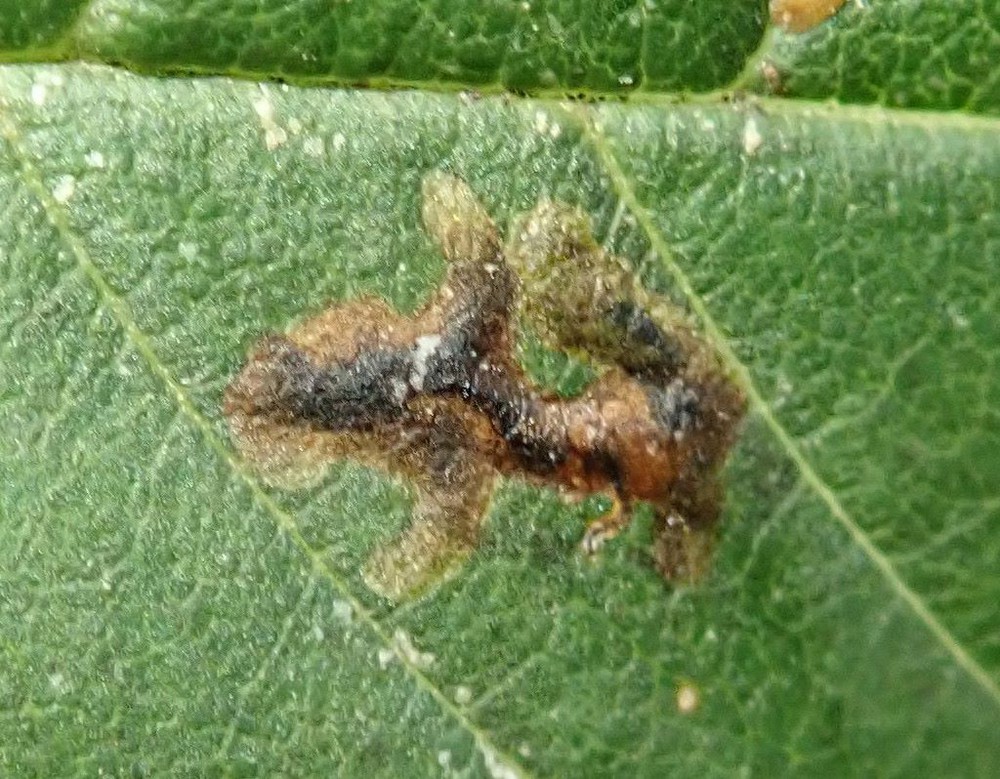
Aulagromyza heringii is a monophagous leaf-miner fly that feeds exclusively on Fraxinus excelsior (ash).[2] The species is univoltine, meaning it has one generation per year.[2] Larval activity occurs during the autumn, typically from September to November, during which they create distinct blotch mines on the leaves of their host plant, characterized by a central white spot.[2] Pupariation takes place within the leaf mine, with the front spiracula of the puparium penetrating the upper leaf epidermis.[2] Adults emerge in the spring, typically in early May.[2]
Distribution
The species is widely distributed across Europe and extends eastwards into Central Asia (including Kazakhstan, Kyrgyzstan, and Uzbekistan) and China.[2] It was recorded for the first time in Iran (Tehran province) in 2016.[2]
Parasitoids
Aulagromyza heringii is subject to parasitism by several Hymenopteran species. Lamprotatus crassipes (Pteromalidae) is a known pupal endoparasitoid; females oviposit into the fly's puparia in November, and the adult wasps emerge in the spring.[2] Other recorded parasitoids include Chrysocharis orbicularis, Chrysocharis pubens, Chrysocharis pubicornis, Cirrospilus vittatus, Seladerma aeneum, and Phaedrotoma rex.[2]
Gallery
References
- 1 2 Dataset view for Animalia / Arthropoda / Insecta / Diptera / Agromyzidae / Aulagromyza / heringii constructed from imageomics/TreeOfLife-200M records under this taxonomic path. Hugging Face Datasets. https://huggingface.co/datasets/imageomics/TreeOfLife-200M.
- 1 2 3 4 5 6 7 8 9 10 11 12 13 FARZANEH KAZERANI; M. von Tschirnhaus; Hossein Lotfalizadeh; Samira Farahani. FIRST RECORD OF AULAGROMYZA HERINGII (DIPTERA AGROMYZIDAE) AND EVIDENCE OF ITS PARASITOID LAMPROTATUS CRASSIPES (HYMENOPTERA PTEROMALIDAE) FROM IRAN. Redia. 2023. https://doi.org/10.19263/redia-106.23.13.