Atylotus fulvus
Taxonomy
This page represents the following TreeOfLife-200M taxonomic path.[1]
- Kingdom: Animalia
- Phylum: Arthropoda
- Class: Insecta
- Order: Diptera
- Family: Tabanidae
- Genus: Atylotus
- Species: Atylotus fulvus
Visual Description
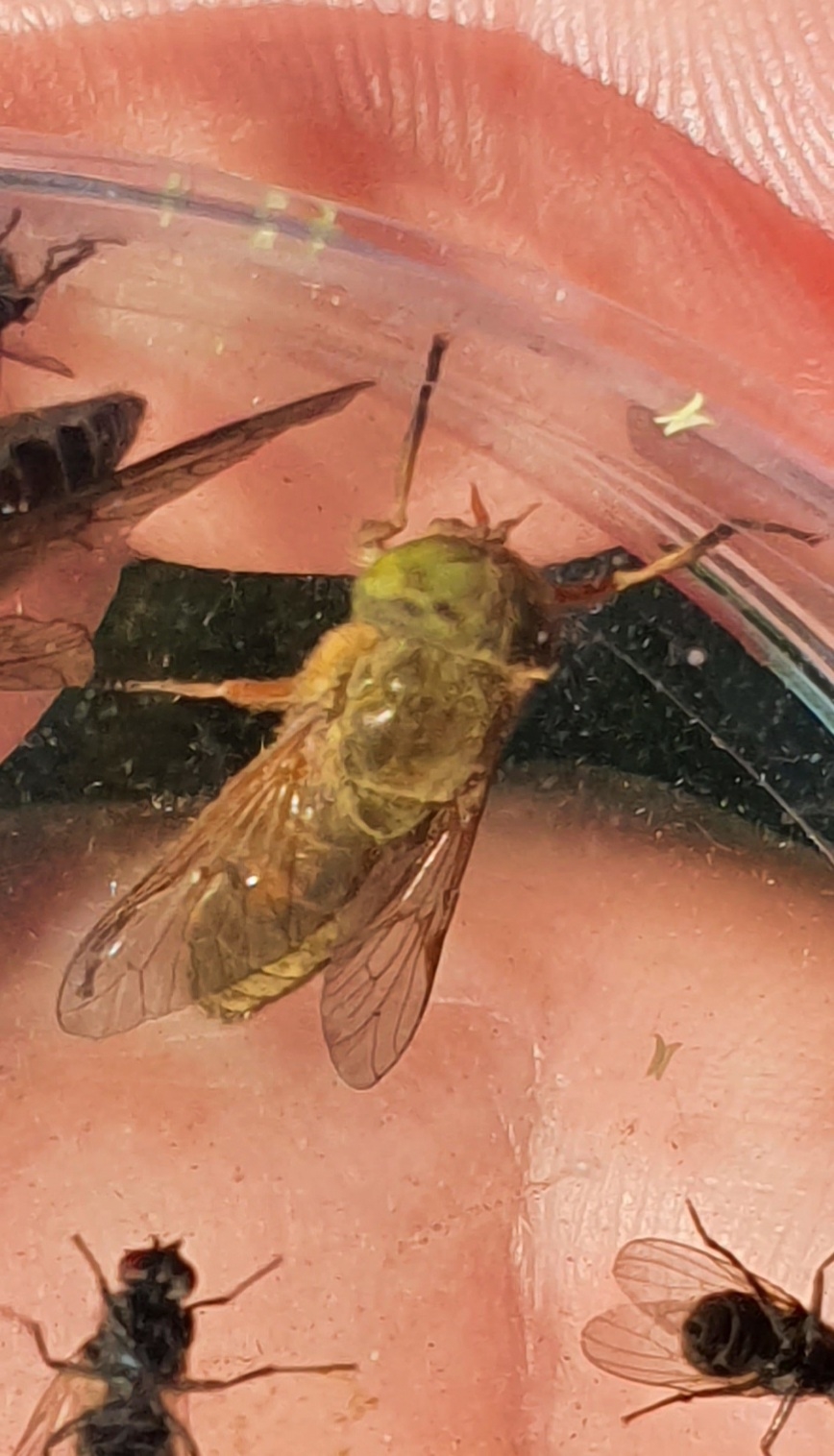
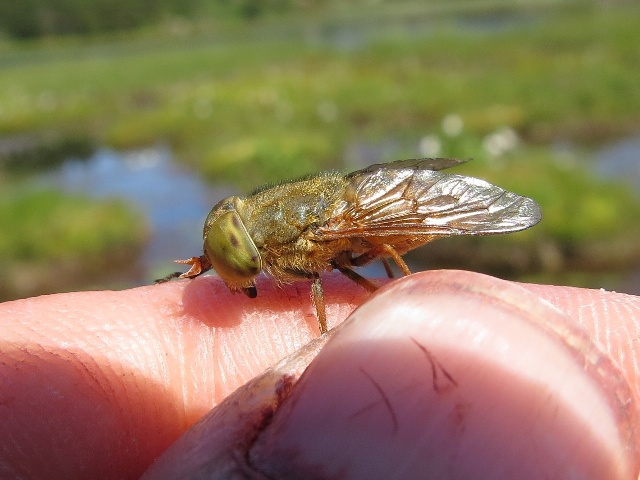
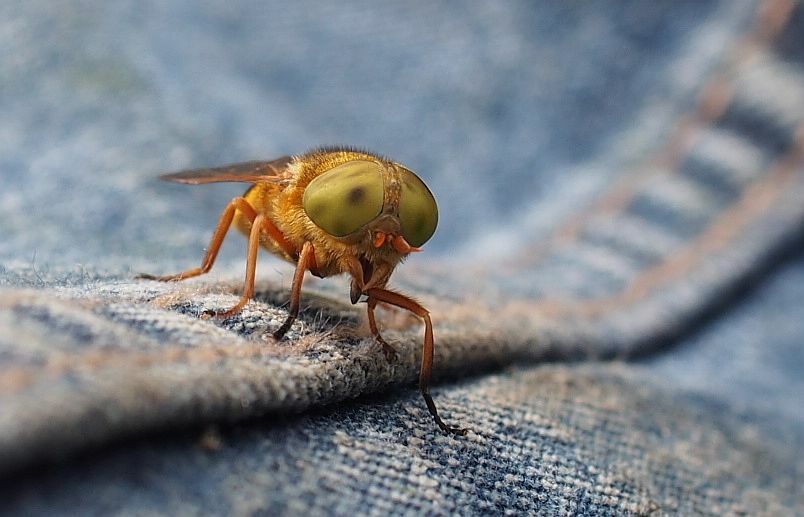
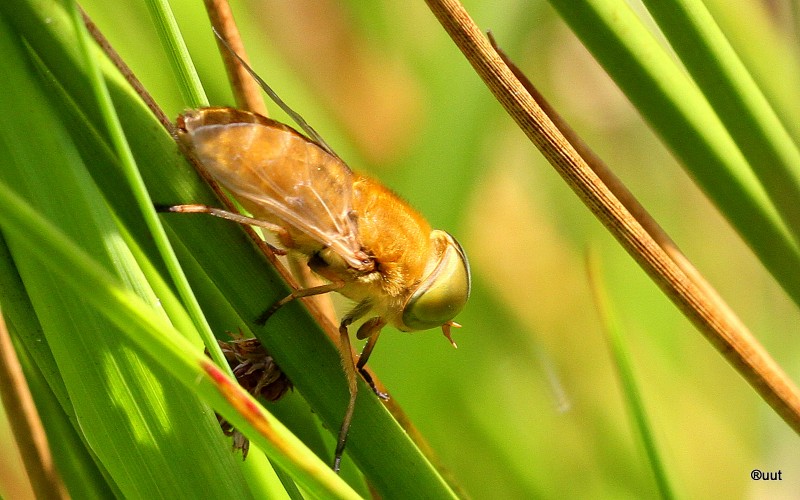
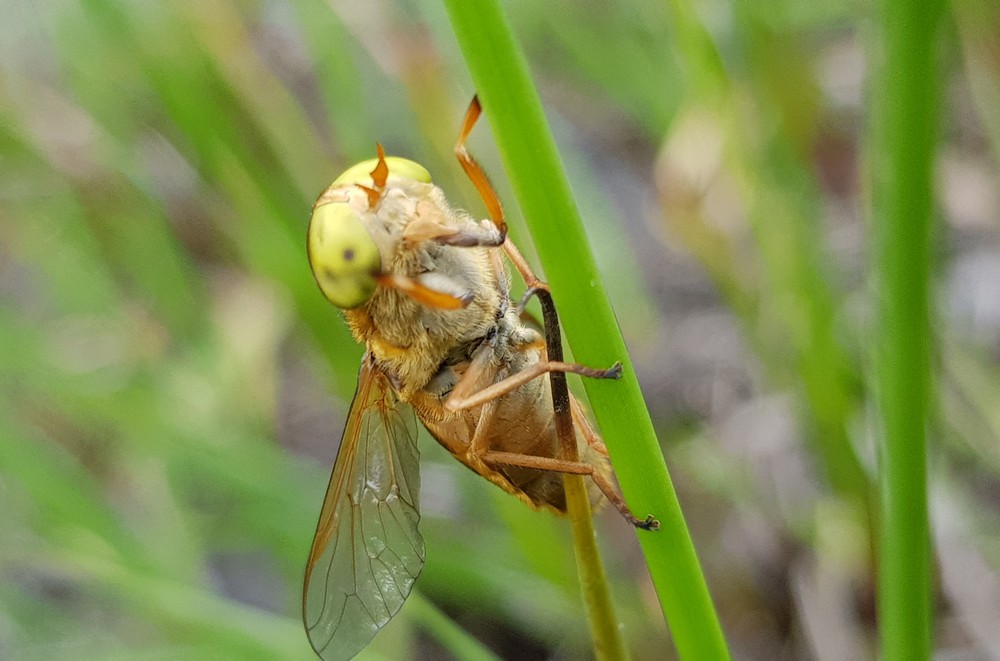
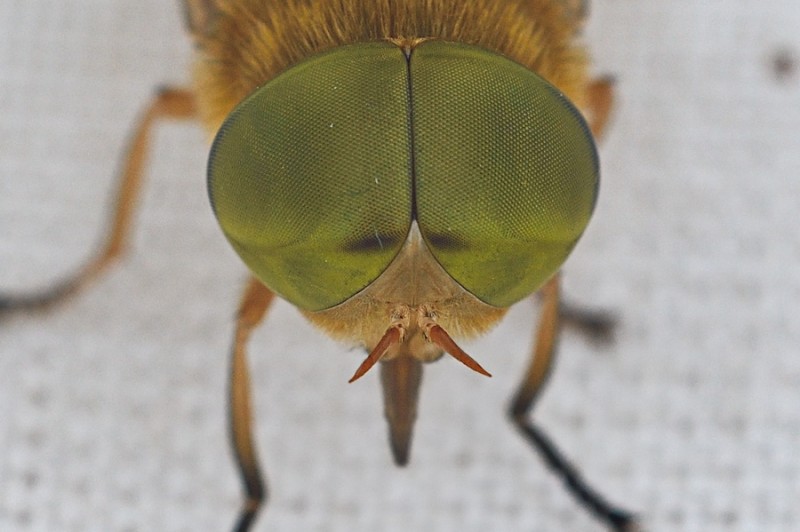
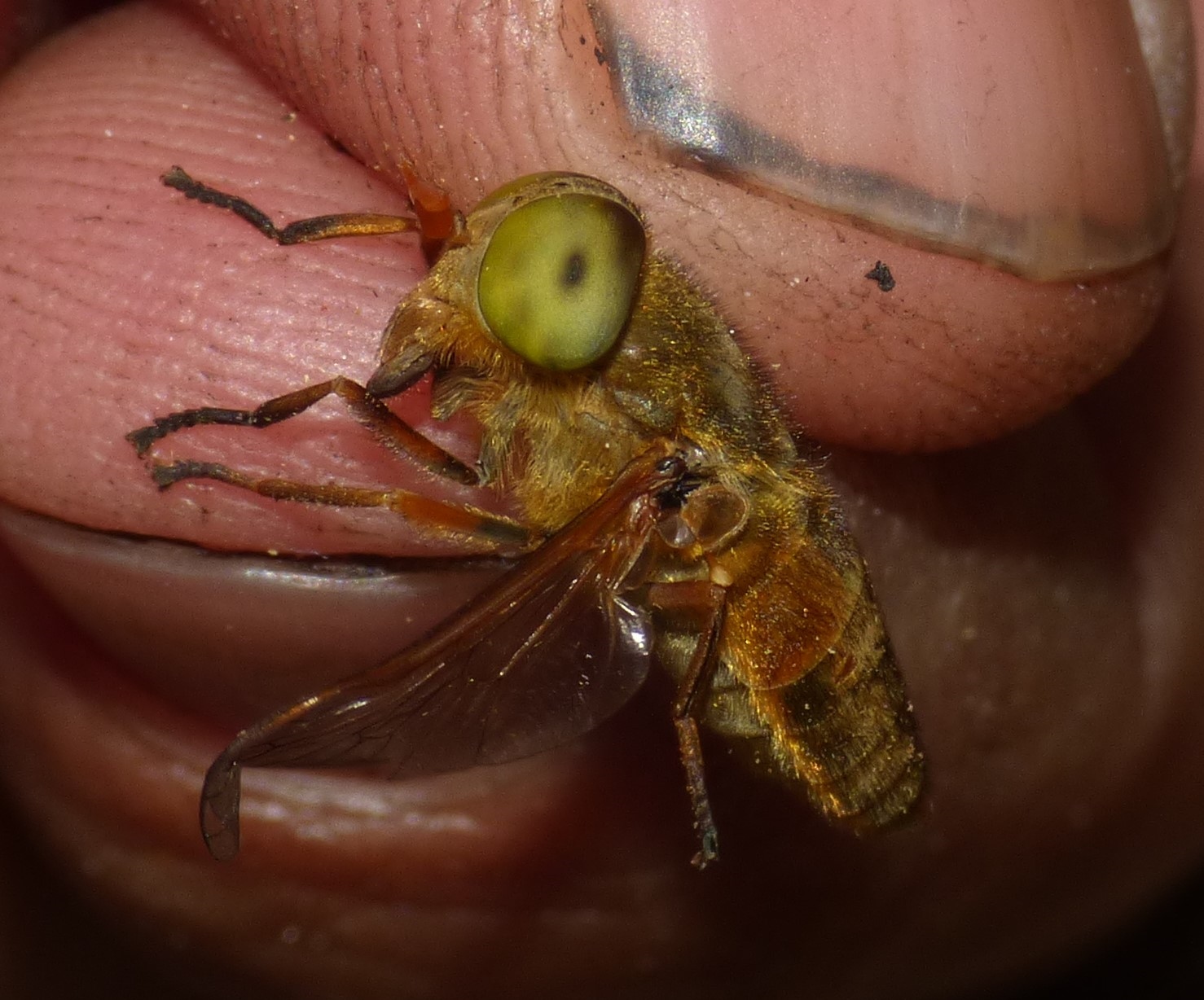
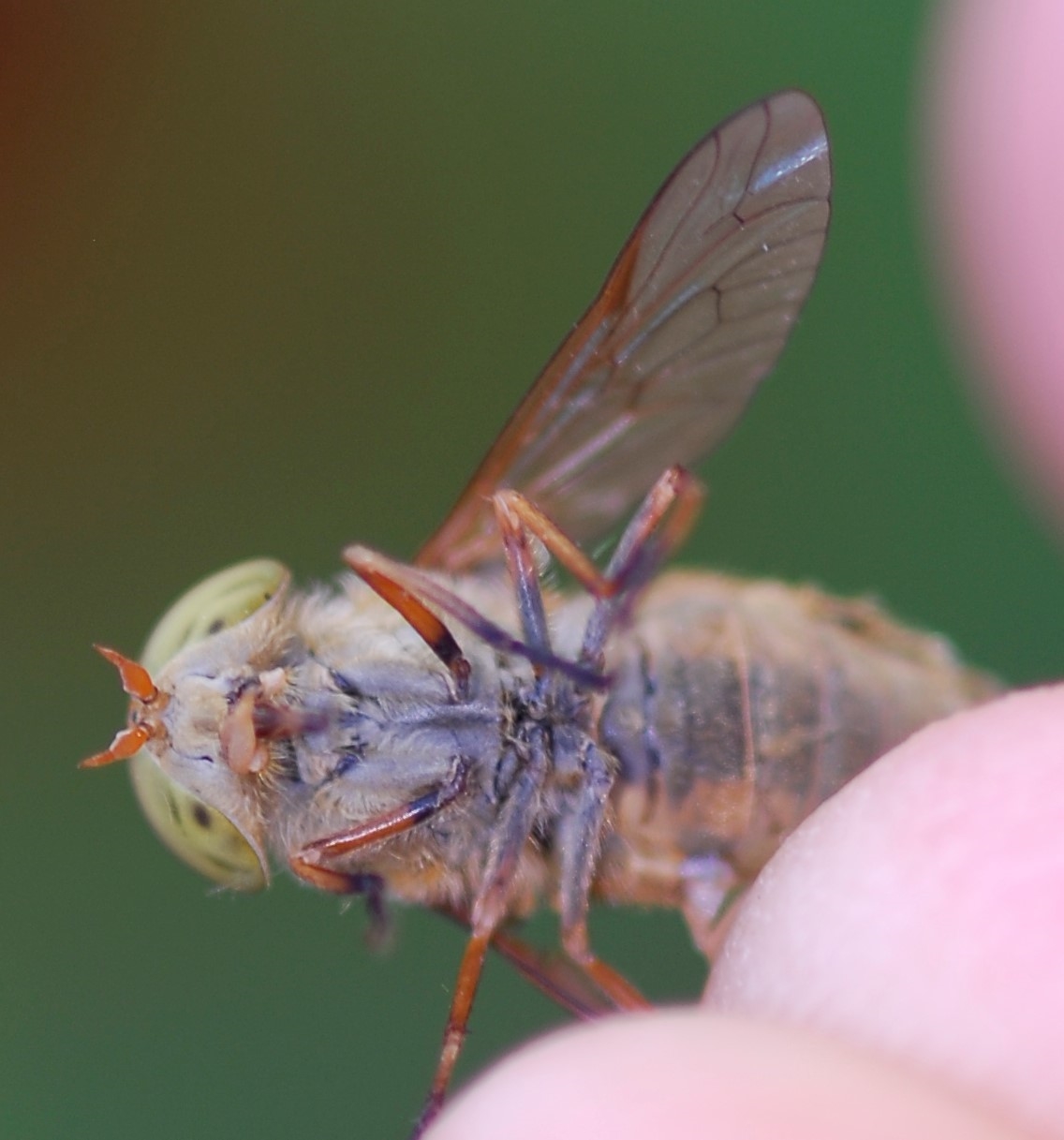
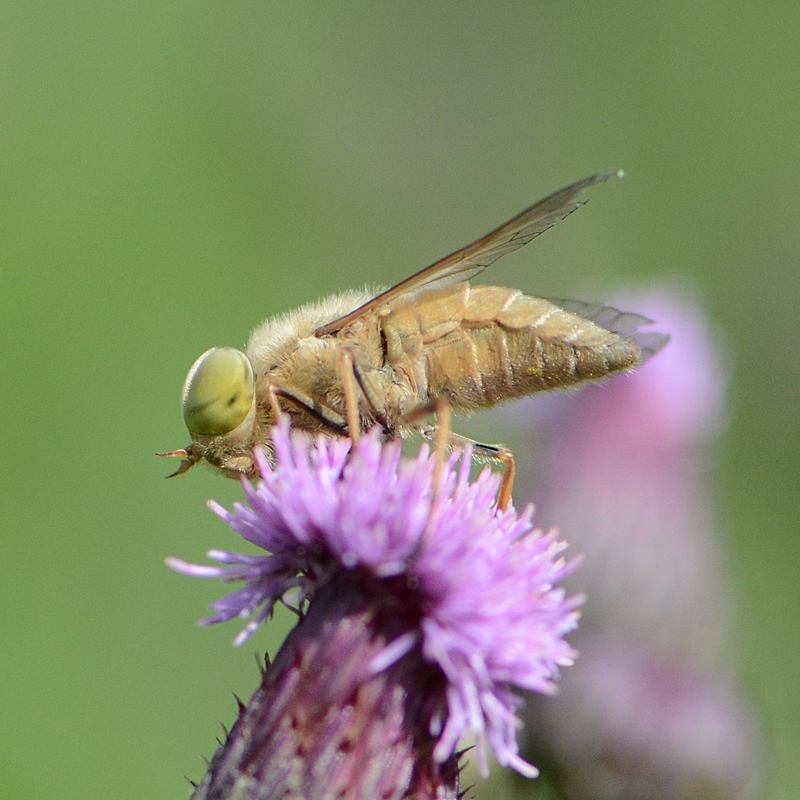
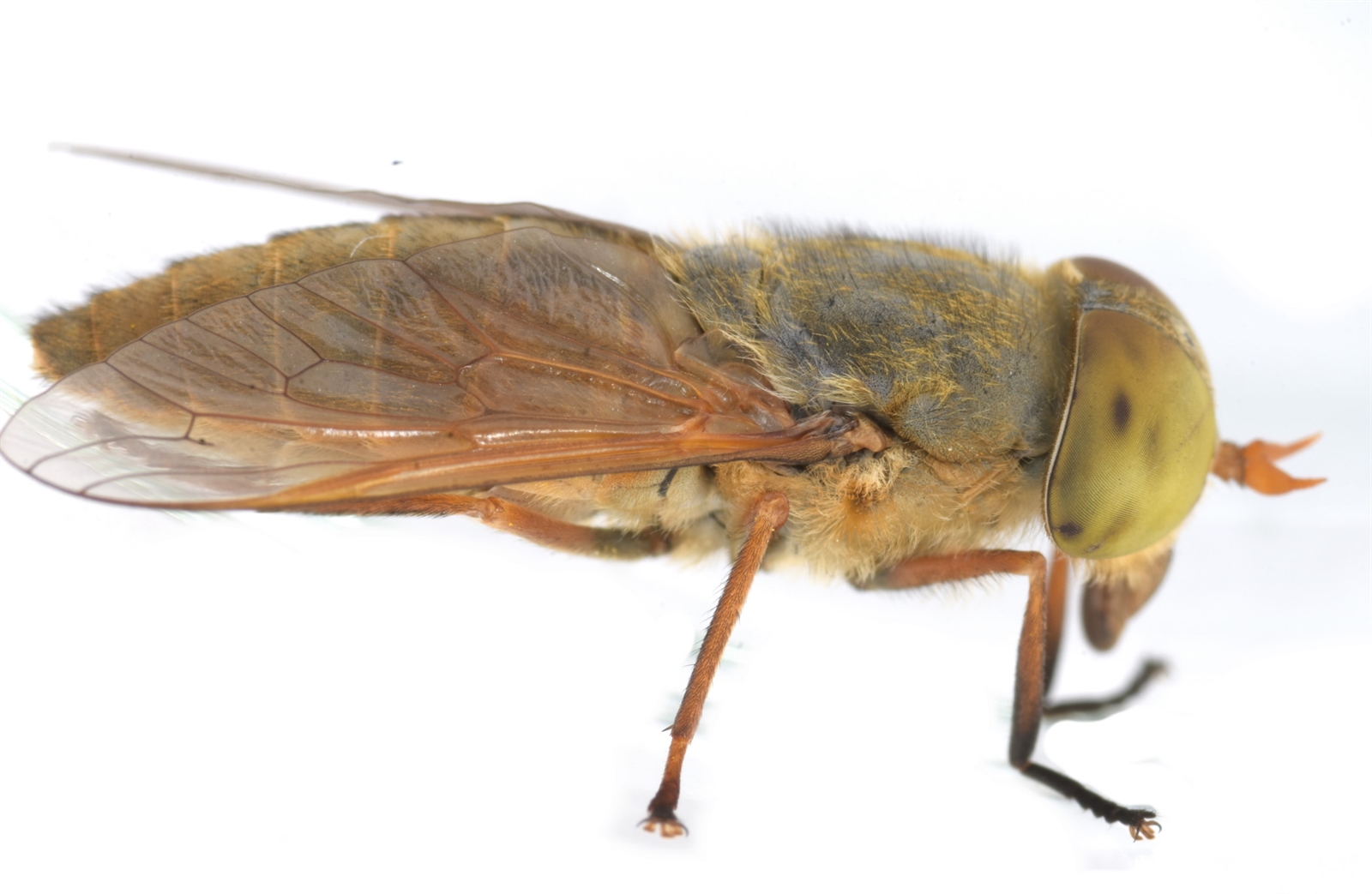
Atylotus fulvus, commonly known as the golden horsefly, is a member of the family Tabanidae. Based on observations from the TreeOfLife-200M dataset, the species exhibits a robust, fly-like body form typical of horseflies.[1] The body is characterized by a dense covering of fine, yellowish-golden hairs, which contribute to its common name.[2] The eyes are prominent and, in many specimens, show a distinct coloration and texture characteristic of the genus.
Biology and Ecology
Atylotus fulvus is a species of horsefly described by Johann Wilhelm Meigen in 1804. Like other members of the family Tabanidae, female A. fulvus are known to be blood-feeders, utilizing sensory mechanisms to locate host animals.[3] Research into tabanid behavior has shown that these flies are attracted to linearly polarized light, a trait that influences their host-seeking behavior.
Gallery
References
- 1 2 Dataset view for Animalia / Arthropoda / Insecta / Diptera / Tabanidae / Atylotus / fulvus constructed from imageomics/TreeOfLife-200M records under this taxonomic path. Hugging Face Datasets. https://huggingface.co/datasets/imageomics/TreeOfLife-200M.
- ↑ Atylotus fulvus (Meigen, 1804). GBIF. https://www.gbif.org/species/1494296. Accessed 2026-07-17.
- ↑ Miklós Blahó; Ádám Egri; Lea Bahidszki; György Kriska; Ramón Hegedüs; Susanne Åkesson; Gábor Horváth. Spottier Targets Are Less Attractive to Tabanid Flies: On the Tabanid-Repellency of Spotty Fur Patterns. PLoS ONE. 2012. https://doi.org/10.1371/journal.pone.0041138.