Atylostoma
Taxonomy
This page represents the following TreeOfLife-200M taxonomic path.[1]
- Kingdom: Animalia
- Phylum: Arthropoda
- Class: Insecta
- Order: Diptera
- Family: Tachinidae
- Genus: Atylostoma
Visual Description
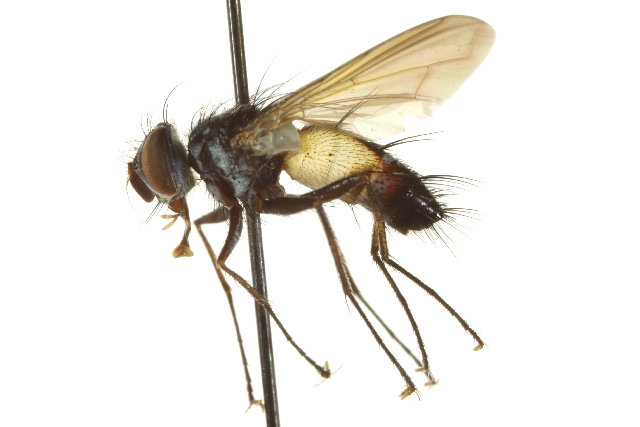
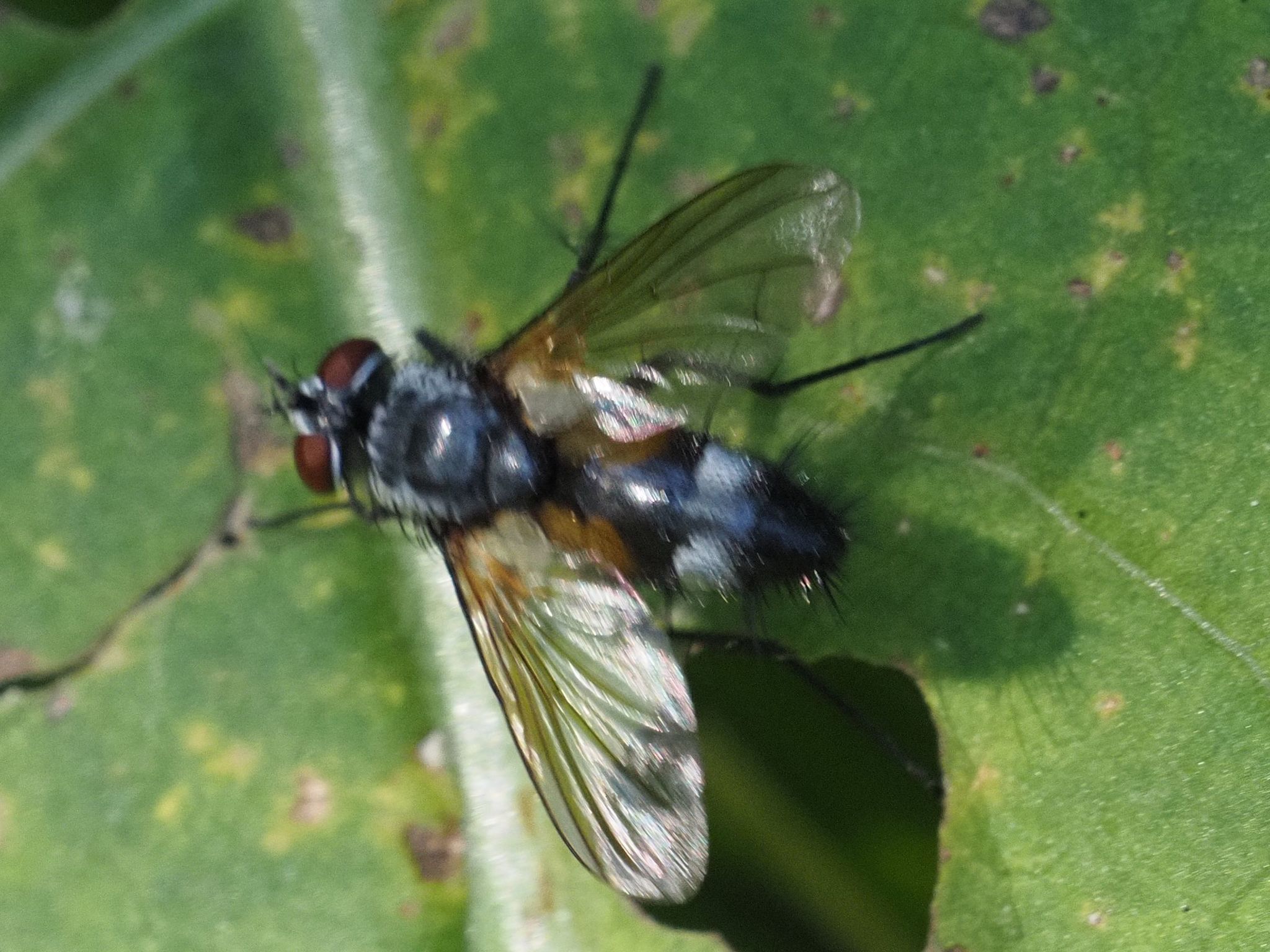
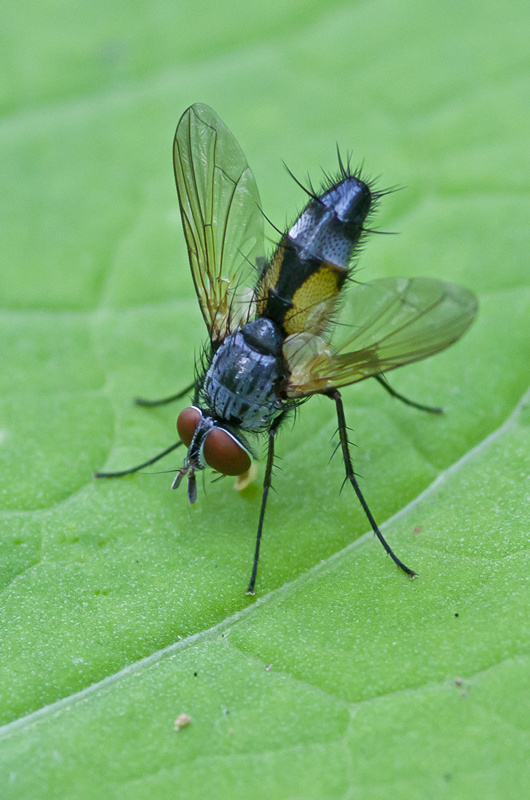
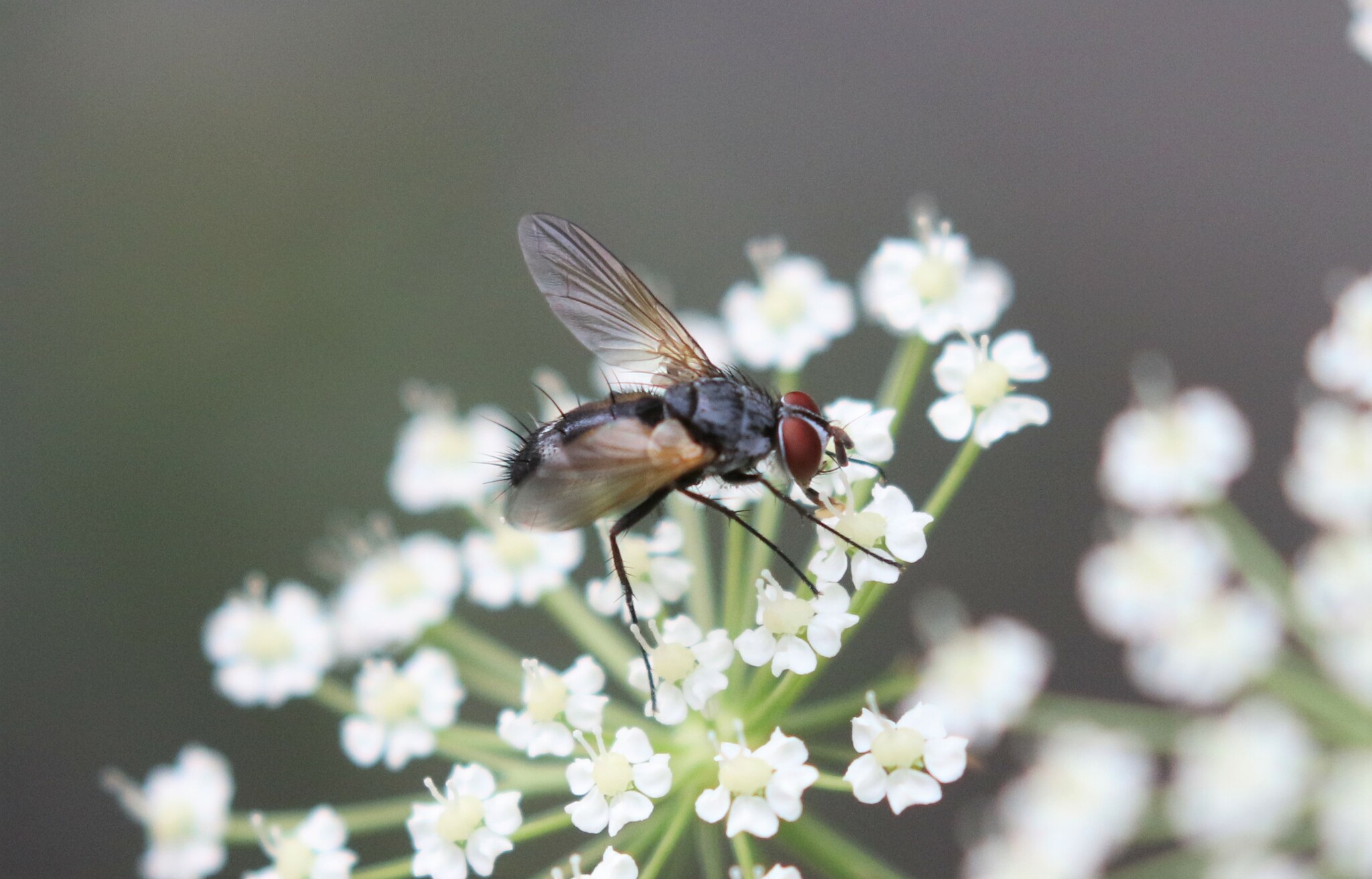
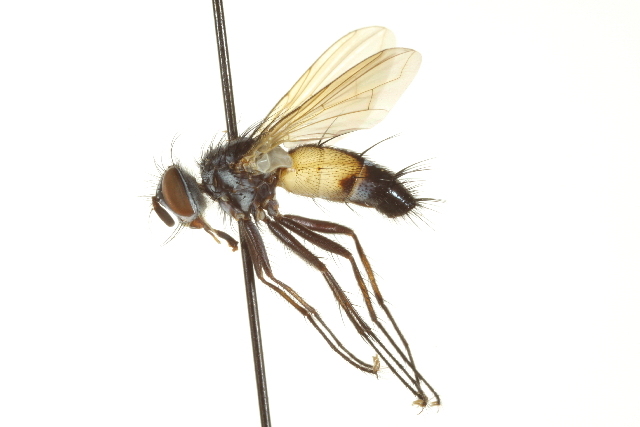
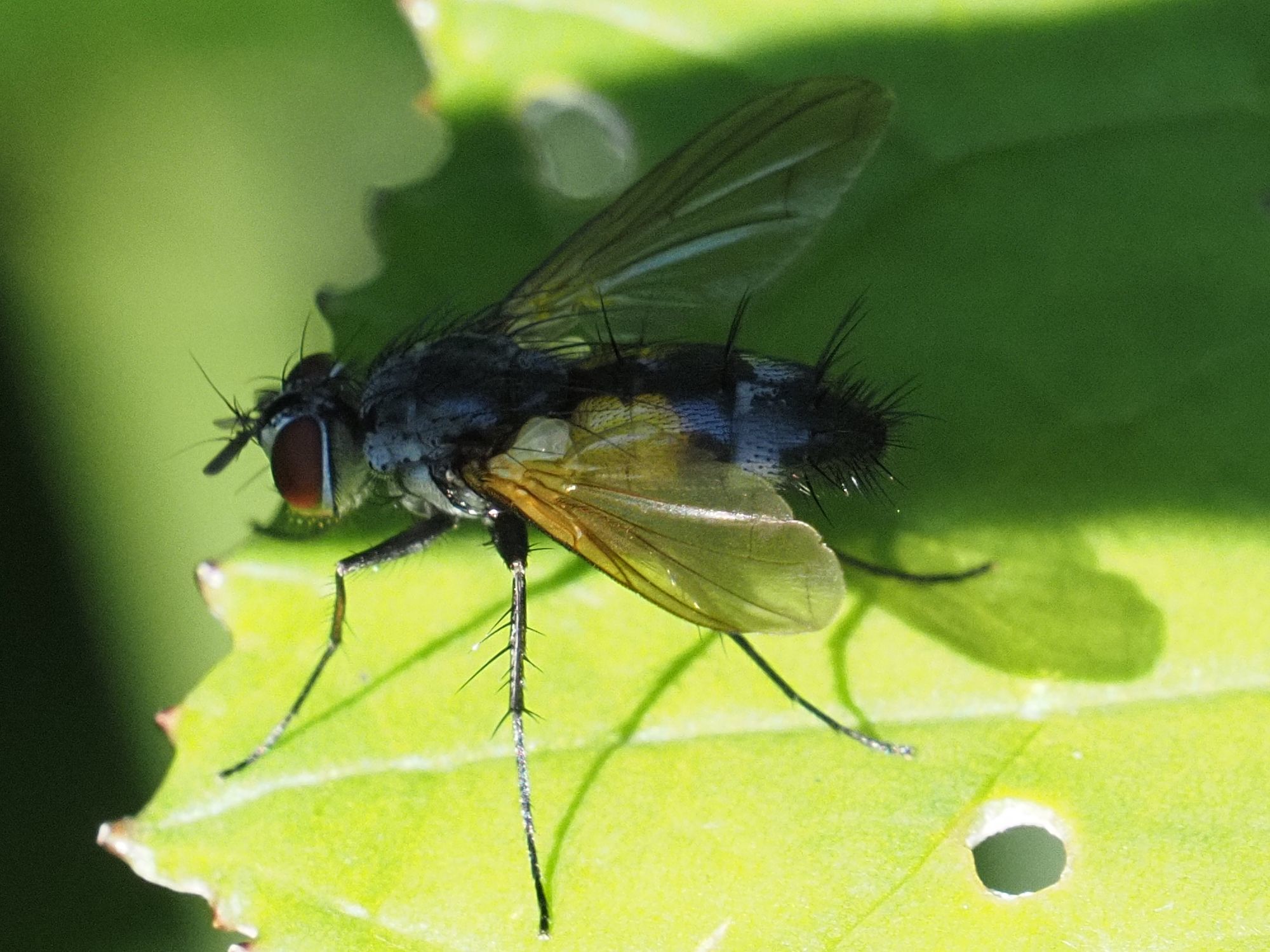
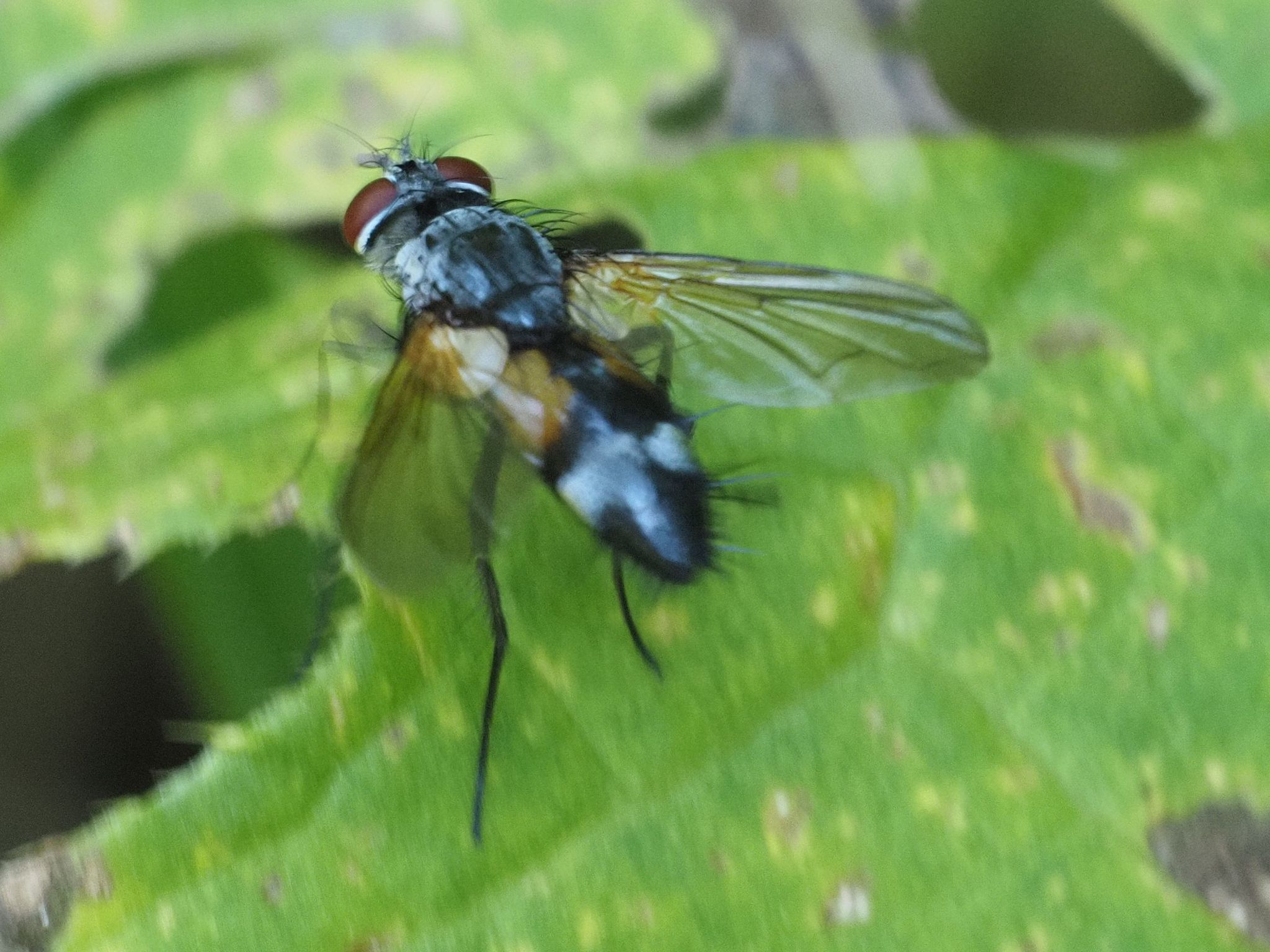
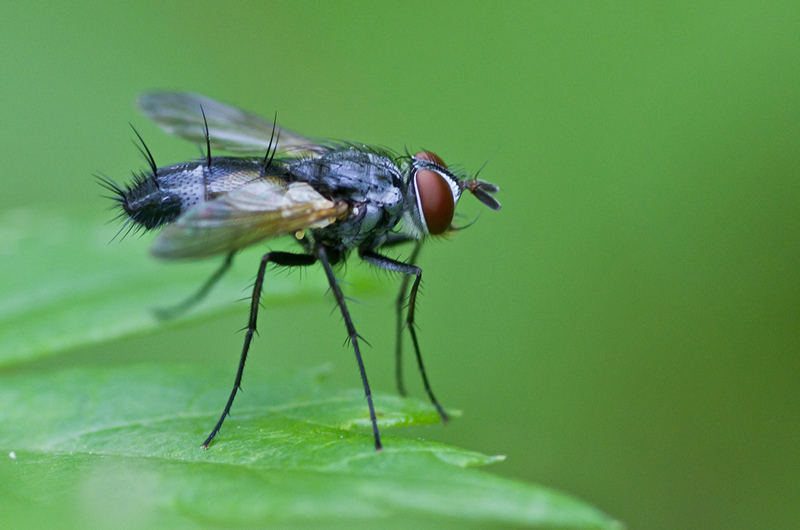
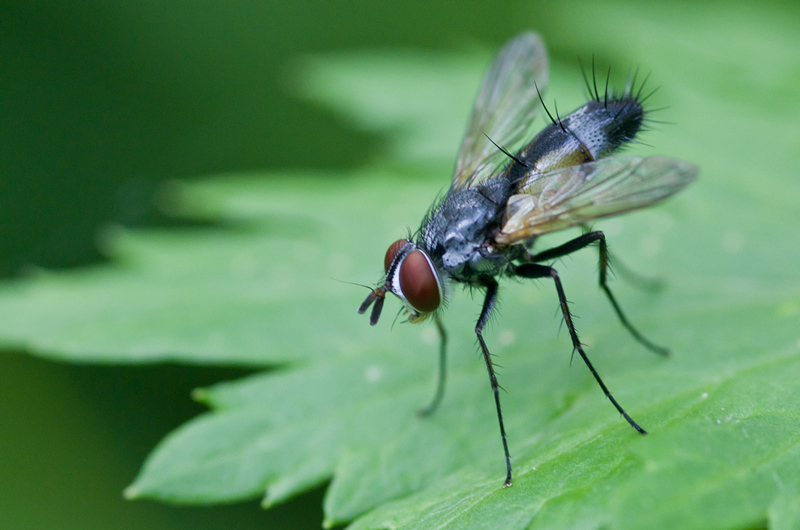
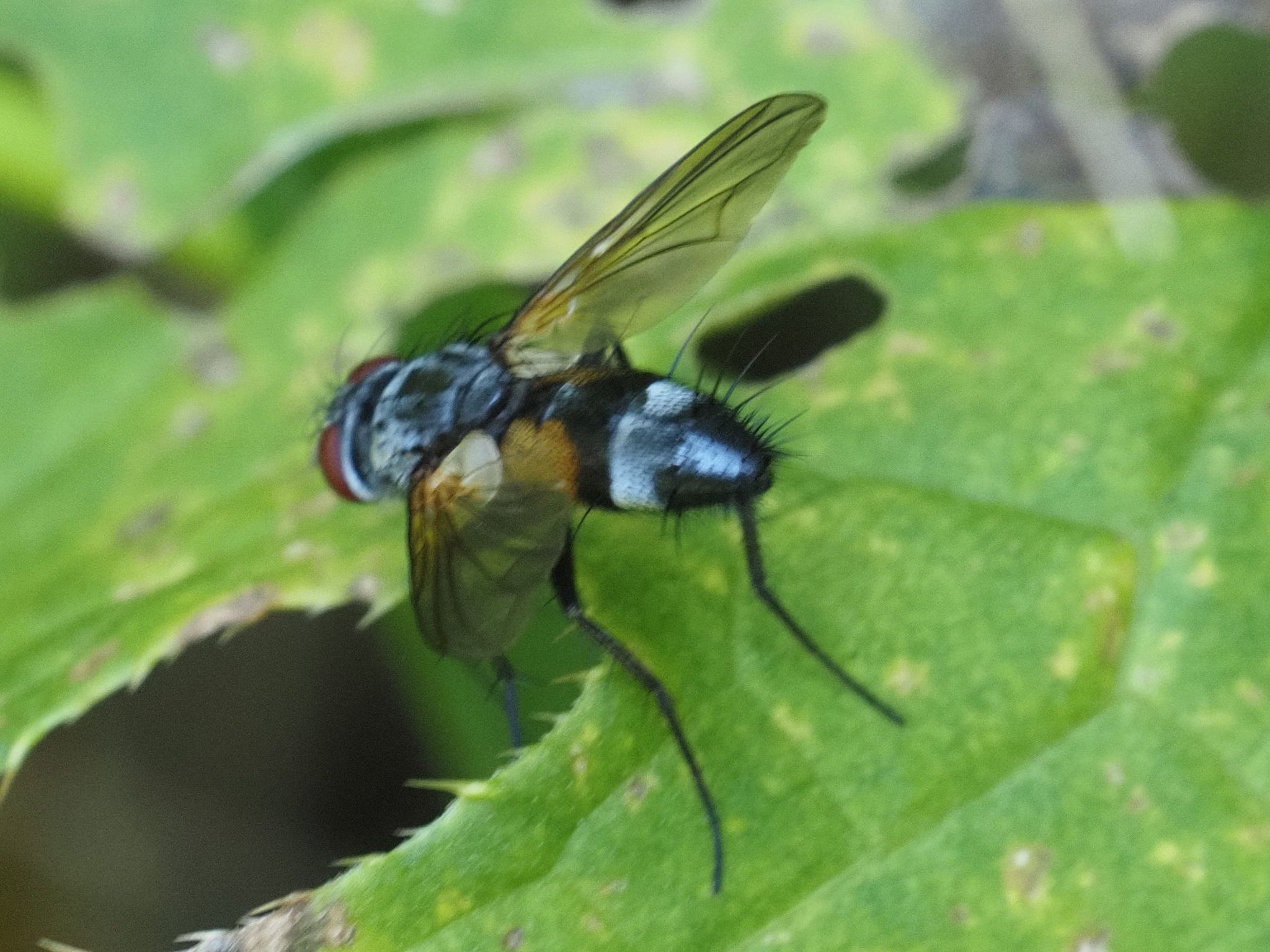
Based on observations of Atylostoma tricolor specimens in the TreeOfLife-200M dataset, these flies exhibit a robust, typical tachinid body form.[1] The thorax and abdomen are covered in distinct, dark, bristle-like setae. The abdomen displays a characteristic pattern of coloration, often featuring a mix of dark and lighter, sometimes yellowish or reddish-brown, tones, which contributes to its specific epithet, tricolor. The wings are clear and typically held in a V-shape when at rest.
Biology and Distribution
Atylostoma is a genus within the family Tachinidae, tribe Leskiini.[2] The genus includes Atylostoma tricolor (Mik, 1883), a rare, Eurosiberian species.
In Europe, A. tricolor has been recorded in countries including Austria, France, Germany, Poland, and Switzerland. Its Asian distribution includes the Caucasus, the Baikal region, the Russian Far East, and Japan (Hokkaido).
The species is known to be a parasitoid, developing within the caterpillars of Eurrypara hortulata (Lepidoptera: Pyralidae), which feed on common nettle (Urtica dioica). A. tricolor is univoltine, with adults typically active between June and August. Another species, A. towadensis (Matsumura, 1916), is also recognized in the Palaearctic region.
Gallery
References
- 1 2 Dataset view for Animalia / Arthropoda / Insecta / Diptera / Tachinidae / Atylostoma constructed from imageomics/TreeOfLife-200M records under this taxonomic path. Hugging Face Datasets. https://huggingface.co/datasets/imageomics/TreeOfLife-200M.
- ↑ Cezary Bystrowski. Atylostoma tricolor (MIK, 1883), a species new to the fauna of tachinid flies (Diptera: Tachinidae) of Poland. Fragmenta Faunistica. 1997. https://doi.org/10.3161/00159301ff1997.40.15.199.