Atrichomelina pubera
Taxonomy
This page represents the following TreeOfLife-200M taxonomic path.[1]
- Kingdom: Animalia
- Phylum: Arthropoda
- Class: Insecta
- Order: Diptera
- Family: Sciomyzidae
- Genus: Atrichomelina
- Species: Atrichomelina pubera
Visual Description
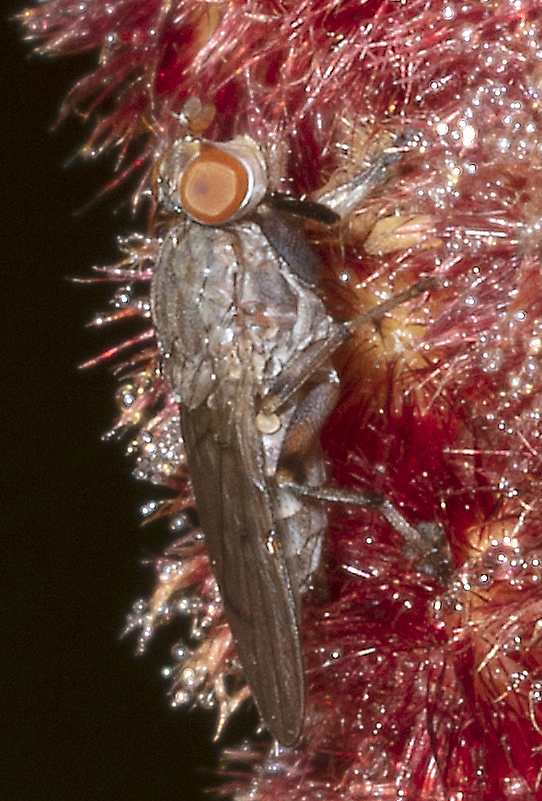
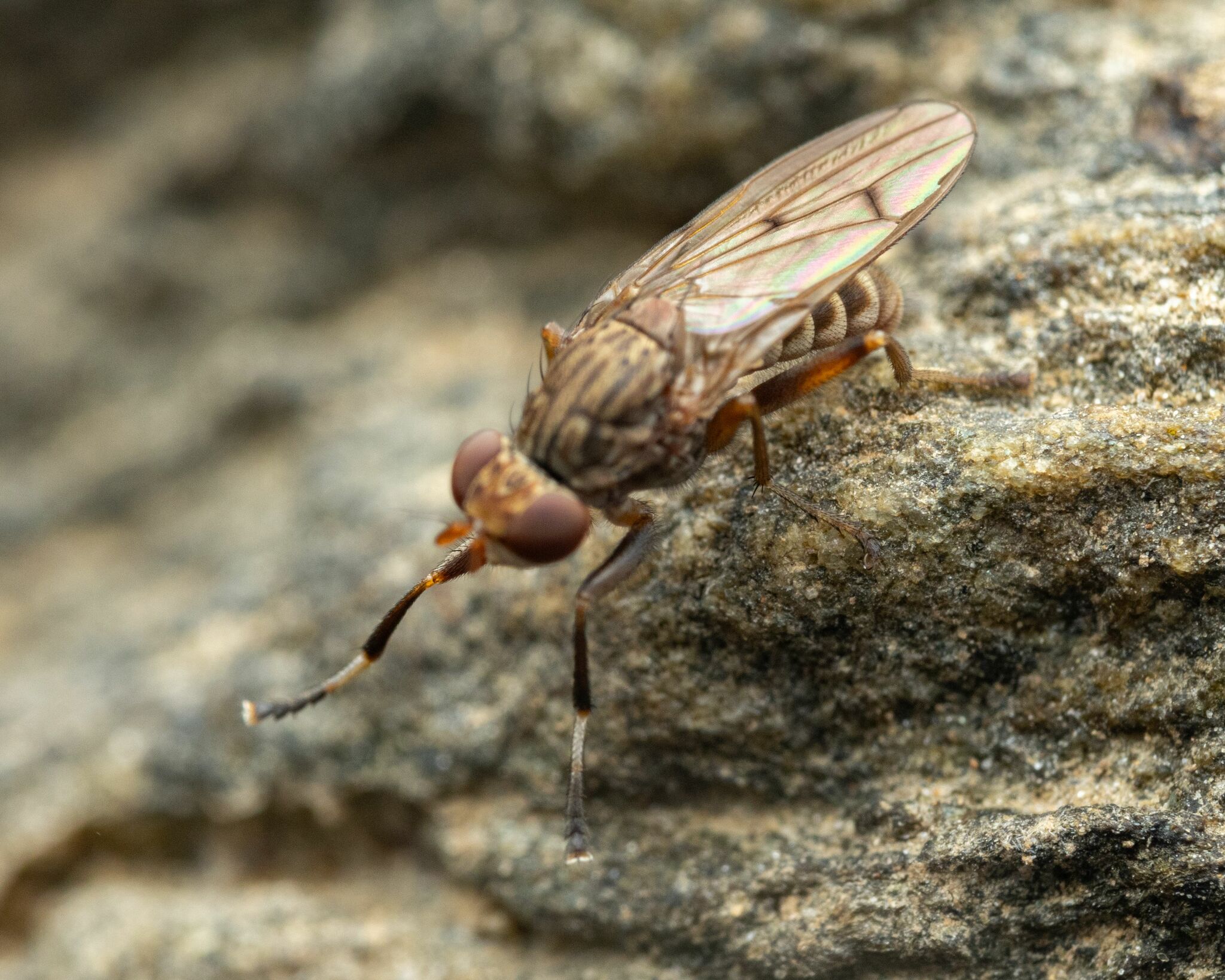
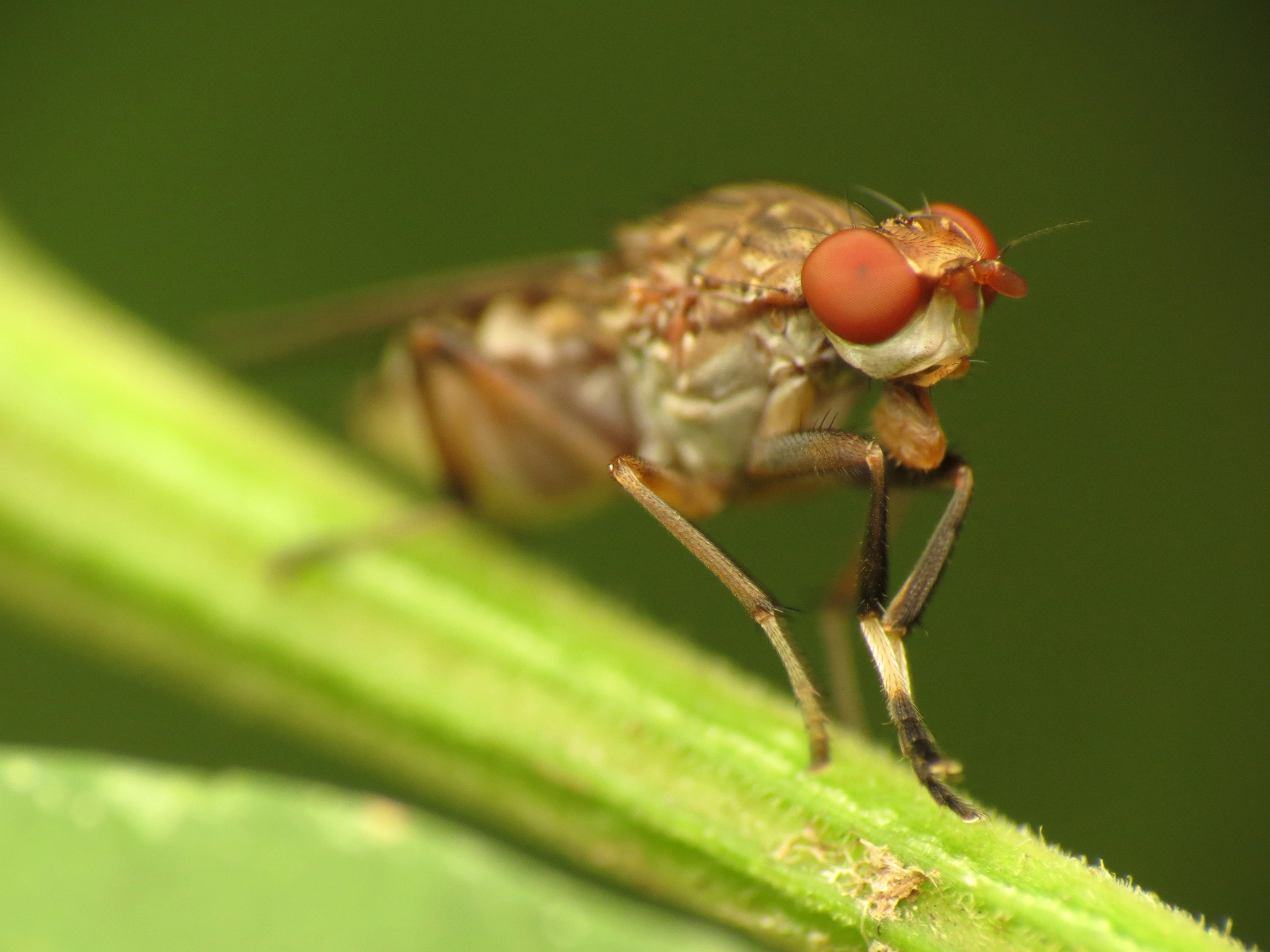
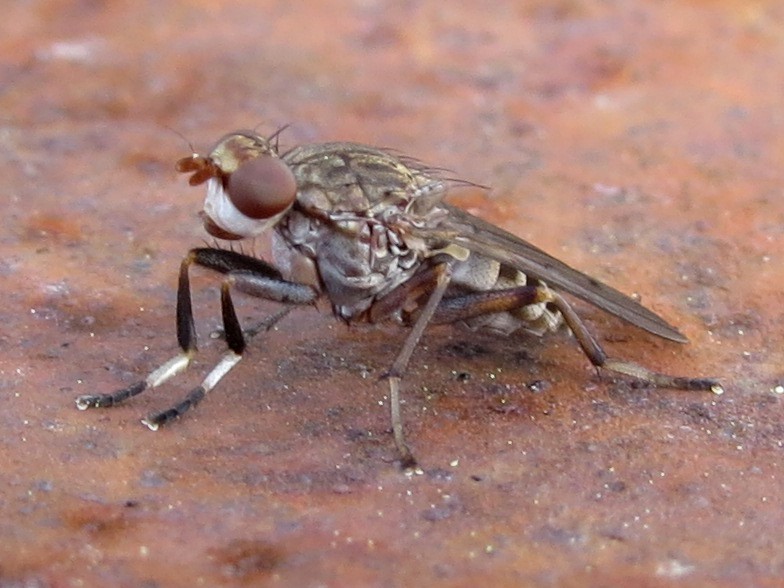
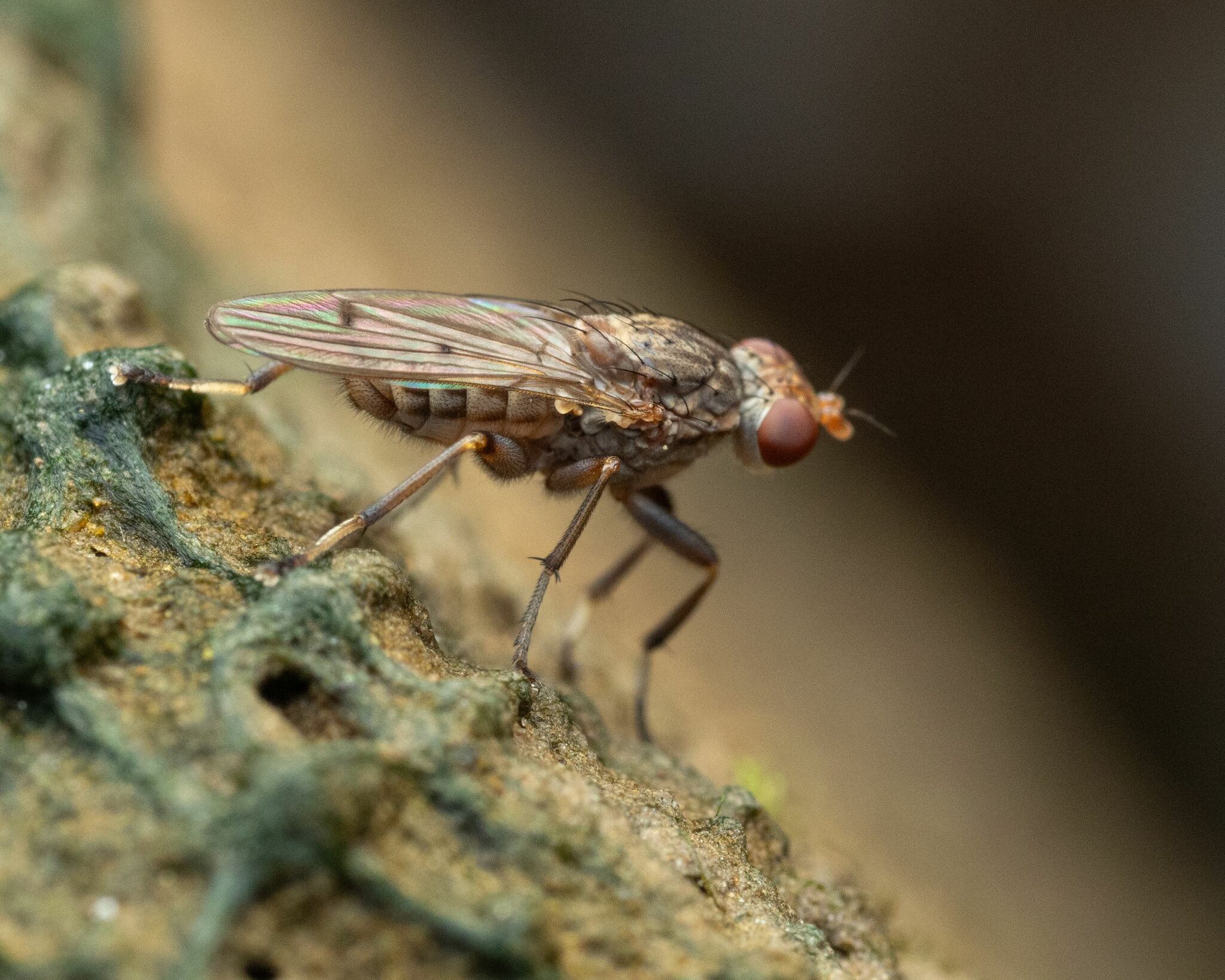
Atrichomelina pubera is a fly species belonging to the family Sciomyzidae. Based on observations from the TreeOfLife-200M dataset, the species exhibits a typical dipteran body plan with a distinct head, thorax, and abdomen. The body is generally brownish in coloration, consistent with many members of the Sciomyzidae. The wings are clear or lightly patterned, and the legs are slender. The thorax and abdomen show characteristic setation, which is a key feature for taxonomic identification within this group.[1]
Taxonomy and Identification
Atrichomelina pubera (Loew, 1862) is a Nearctic species of the tribe Sciomyzini. It is morphologically distinguished by a predominantly setulose anepisternum.[2]
The species shares several diagnostic characters with the genus Ditaeniella, such as the setulose anepisternum and the presence of microsetulae on the meron. However, it can be differentiated from Ditaeniella by the absence of a setose prosternum and the lack of specialized rows of strong, short setae on the ventral side of the hind femur. Some specimens of A. pubera may possess a weak anterior pair of fronto-orbital setae, and occasionally lack a strong seta on the anepimeron.
The genitalic structure of A. pubera is distinct from that of Ditaeniella and other related Sciomyzini taxa. Due to these morphological complexities, the current generic classification is maintained as the most stable arrangement pending further molecular phylogenetic research.
Ecology and Interactions
Atrichomelina pubera has been documented as a host for certain parasitoid wasps, including species in the genera Spalangia and Urolepis (e.g., Urolepis rufipes).[3]
Gallery




References
- 1 2 Dataset view for Animalia / Arthropoda / Insecta / Diptera / Sciomyzidae / Atrichomelina / pubera constructed from imageomics/TreeOfLife-200M records under this taxonomic path. Hugging Face Datasets. https://huggingface.co/datasets/imageomics/TreeOfLife-200M.
- ↑ Nikita E. Vikhrev; William L. Murphy. Notes on the taxonomy of species of Sciomyzini with a predominantly setulose anepisternum (Diptera, Sciomyzidae). . 2022. https://doi.org/10.33910/2686-9519-2022-14-2-281-298.
- ↑ Atrichomelina pubera. Global Biotic Interactions. https://www.globalbioticinteractions.org/?targetTaxon=Atrichomelina%20pubera. Accessed 2026-07-15.