Atherix
Taxonomy
This page represents the following TreeOfLife-200M taxonomic path.[1]
- Kingdom: Animalia
- Phylum: Arthropoda
- Class: Insecta
- Order: Diptera
- Family: Athericidae
- Genus: Atherix
Visual Description
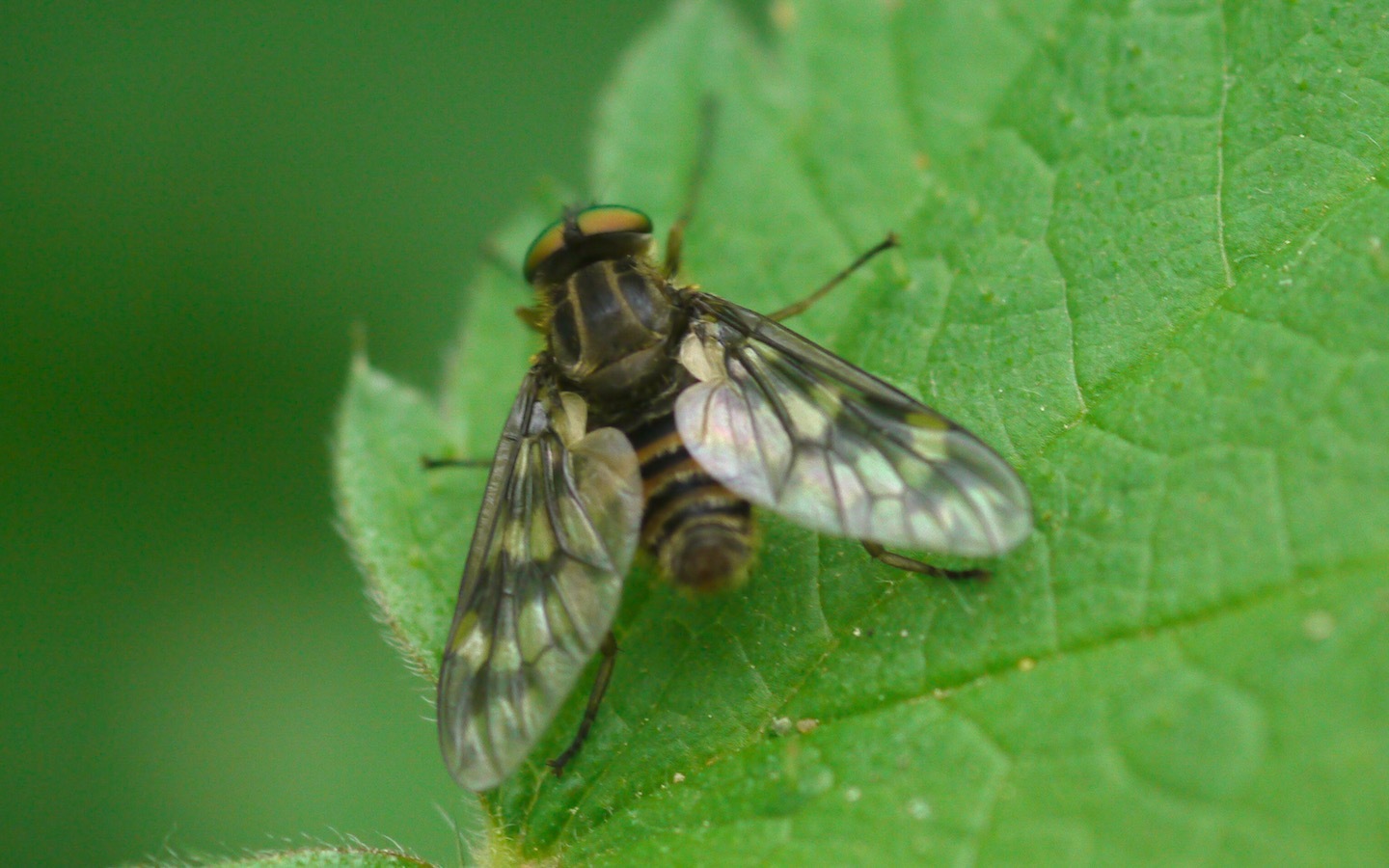
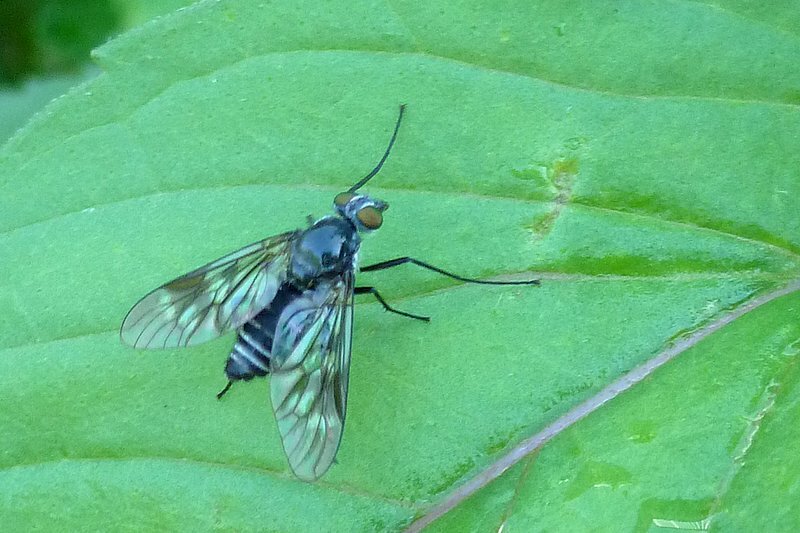
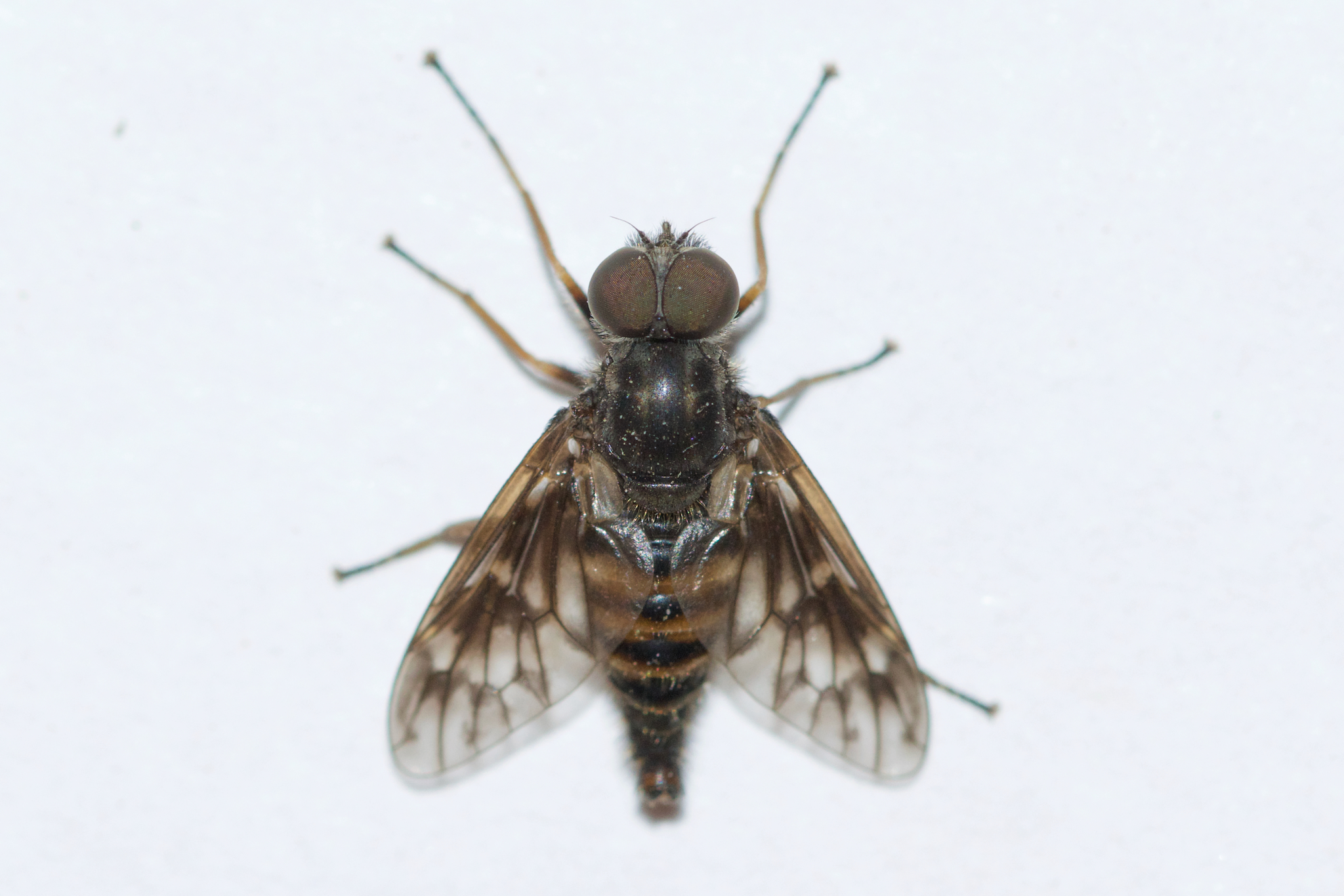
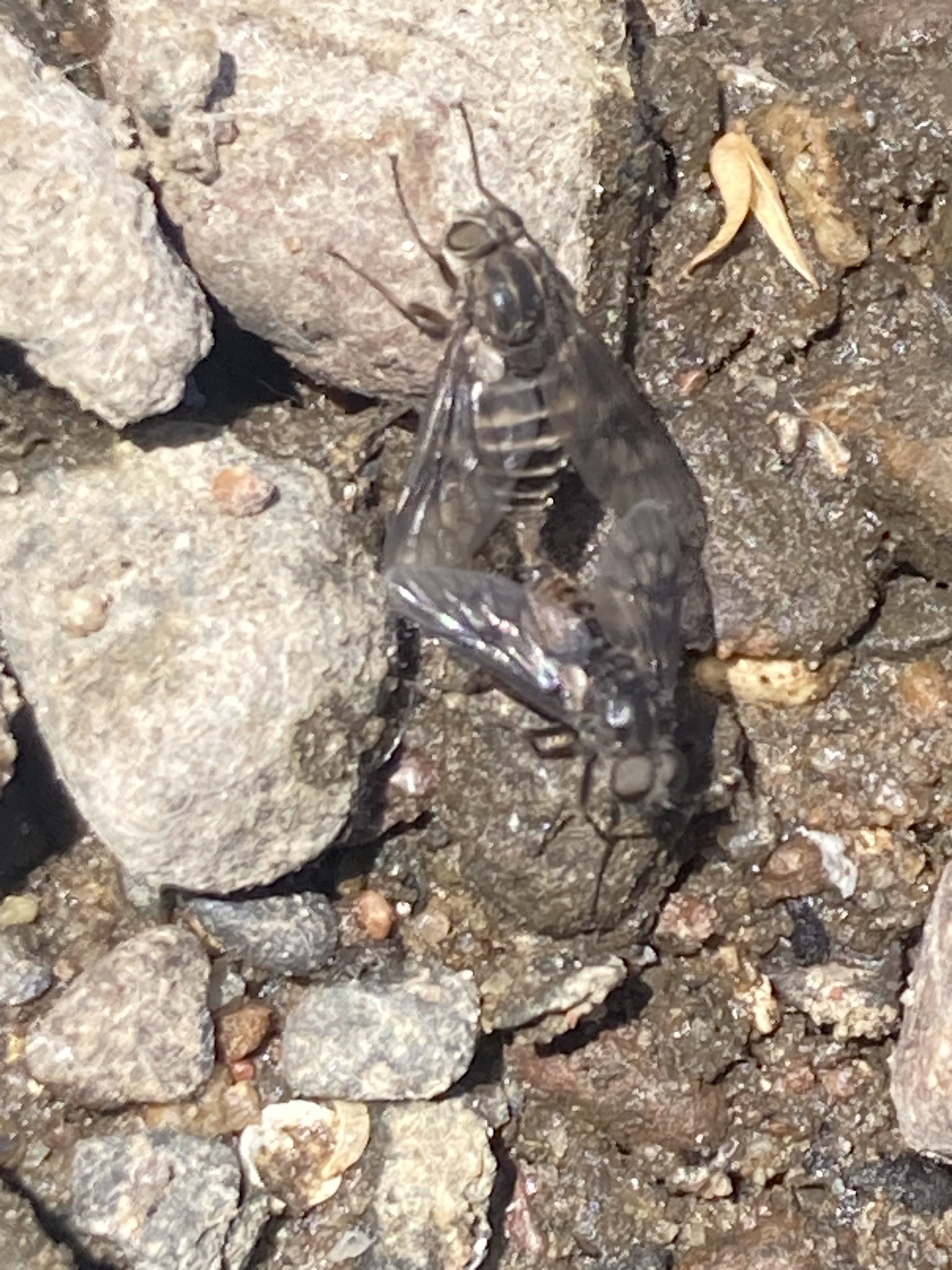
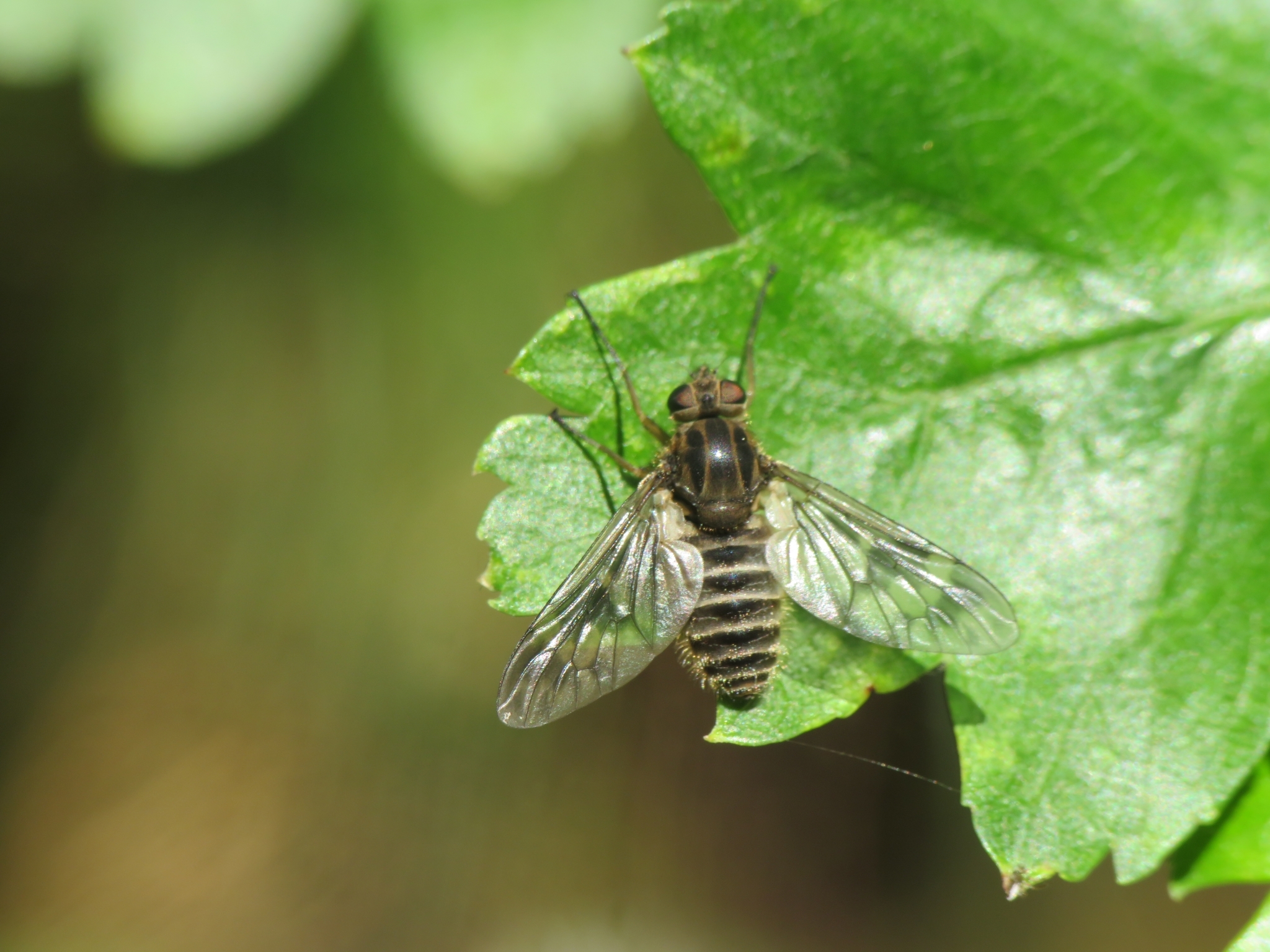
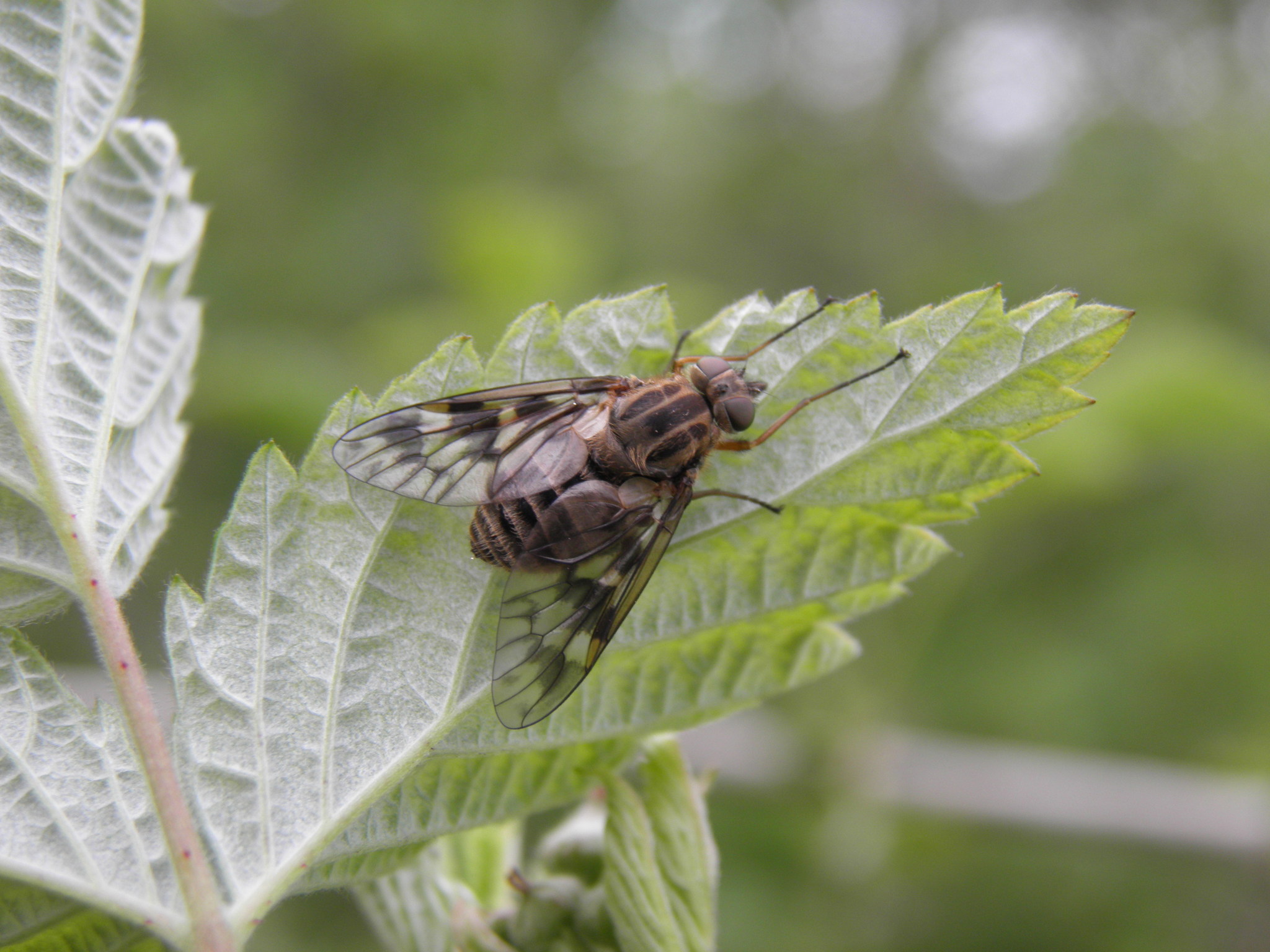
Atherix species exhibit typical dipteran features, including three-segmented antennae with a subdorsal arista and complete wing venation featuring a closed anal cell.[2] Observations of specimens in the TreeOfLife-200M dataset reveal that these flies possess a robust body form with distinct patterning on the wings and abdomen.[1] The legs are often notably colored, as seen in the common name "Yellow-legged water-snipefly" for Atherix ibis.[3]
Ecology and Distribution
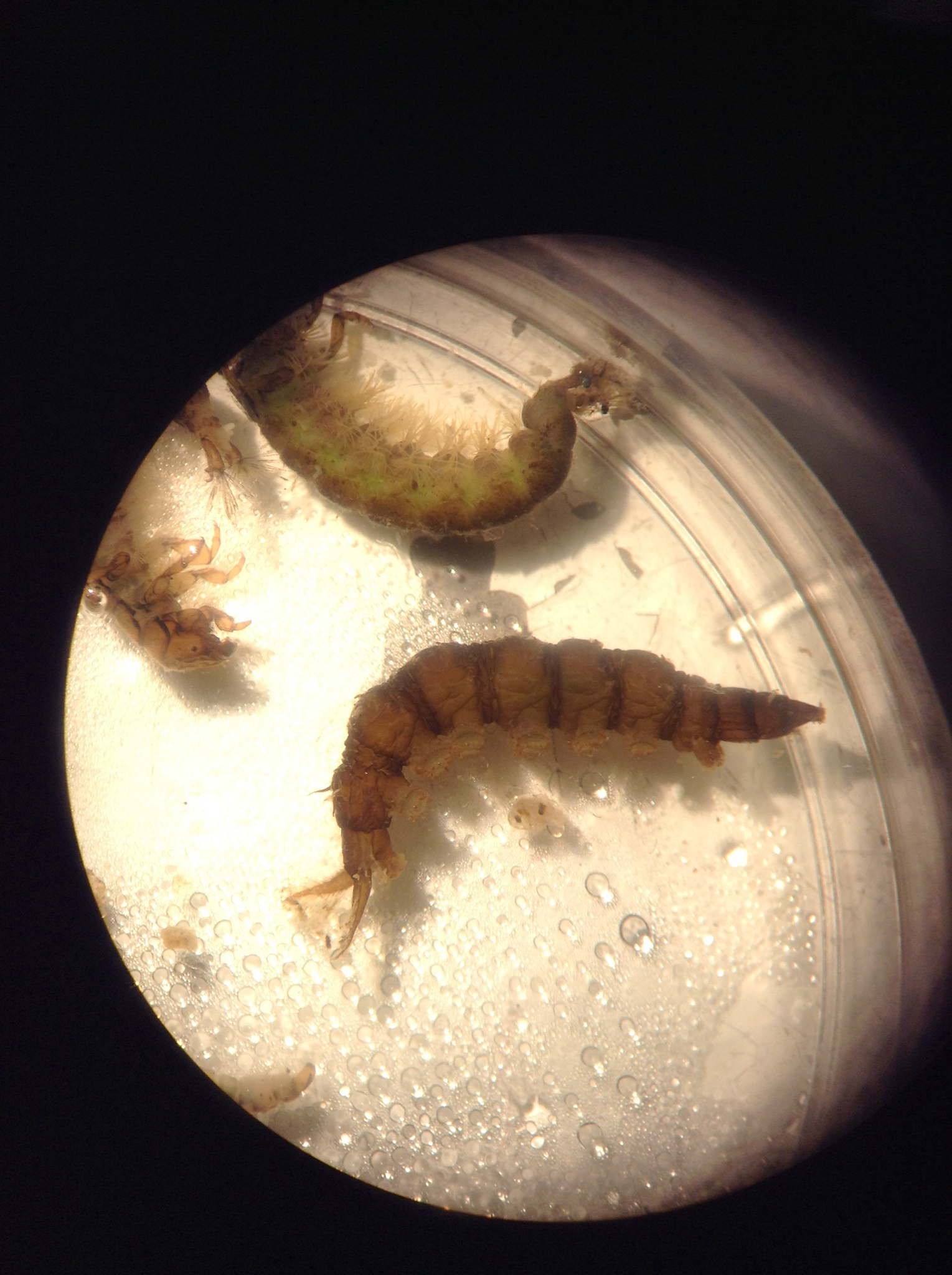
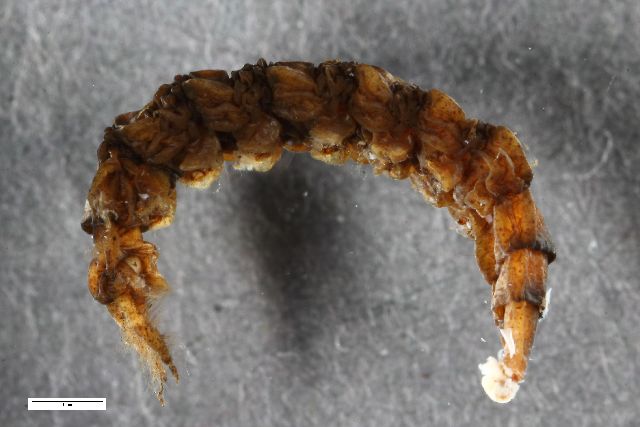
Athericidae, including the genus Atherix, are recognized as important torrential Diptera, frequently inhabiting running waters at low to medium altitudes.[2] Larvae are exclusively predatory and can contribute significantly to the biomass in stream ecosystems.[2] Adults are typically found in the vicinity of shaded streams.[2]
Gallery
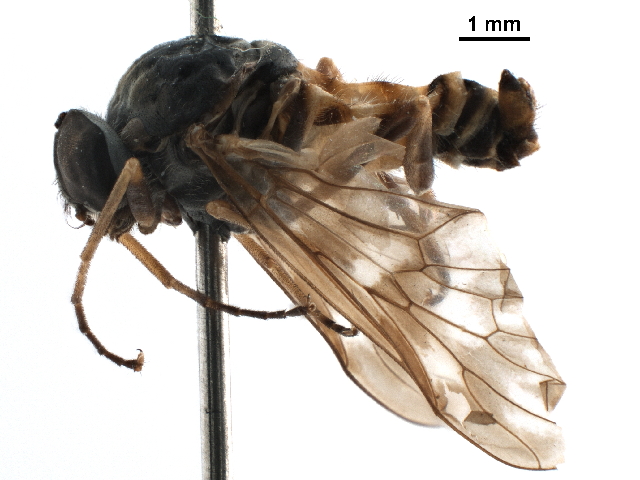
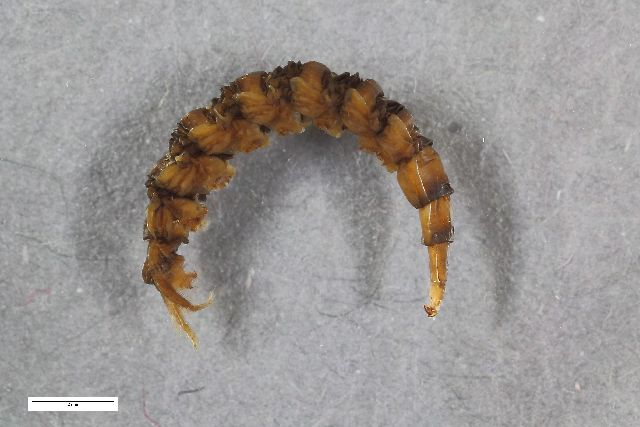
References
- 1 2 Dataset view for Animalia / Arthropoda / Insecta / Diptera / Athericidae / Atherix constructed from imageomics/TreeOfLife-200M records under this taxonomic path. Hugging Face Datasets. https://huggingface.co/datasets/imageomics/TreeOfLife-200M.
- 1 2 3 4 A. G.B. Thomas. Diptères torrenticoles peu connus : I. — Les athericidae (larves et imagos) du sud de la France [Brachycera, Orthorrhapha]. Annales de Limnologie - International Journal of Limnology. 1974. https://doi.org/10.1051/limn/1974001.
- ↑ Atherix. Wikipedia. https://en.wikipedia.org/wiki/Atherix. Accessed 2026-07-14.