astrolaxum
Taxonomy
This page represents the following TreeOfLife-200M taxonomic path.[1]
- Kingdom: Animalia
- Phylum: Porifera
- Class: Ecclimadictyidae
- Order: Ecclimadictyon
- Family: astrolaxum
Visual Description
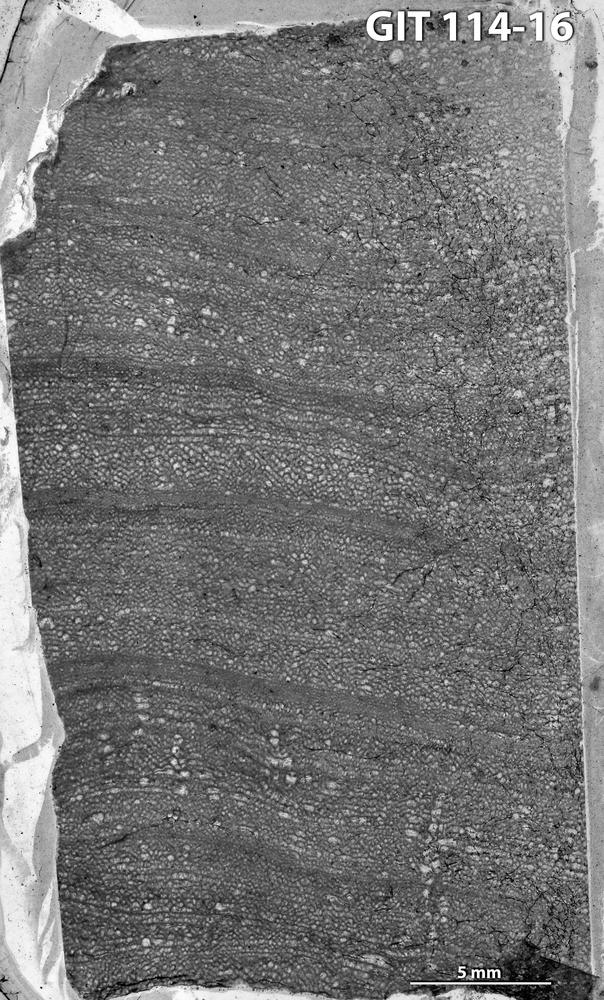
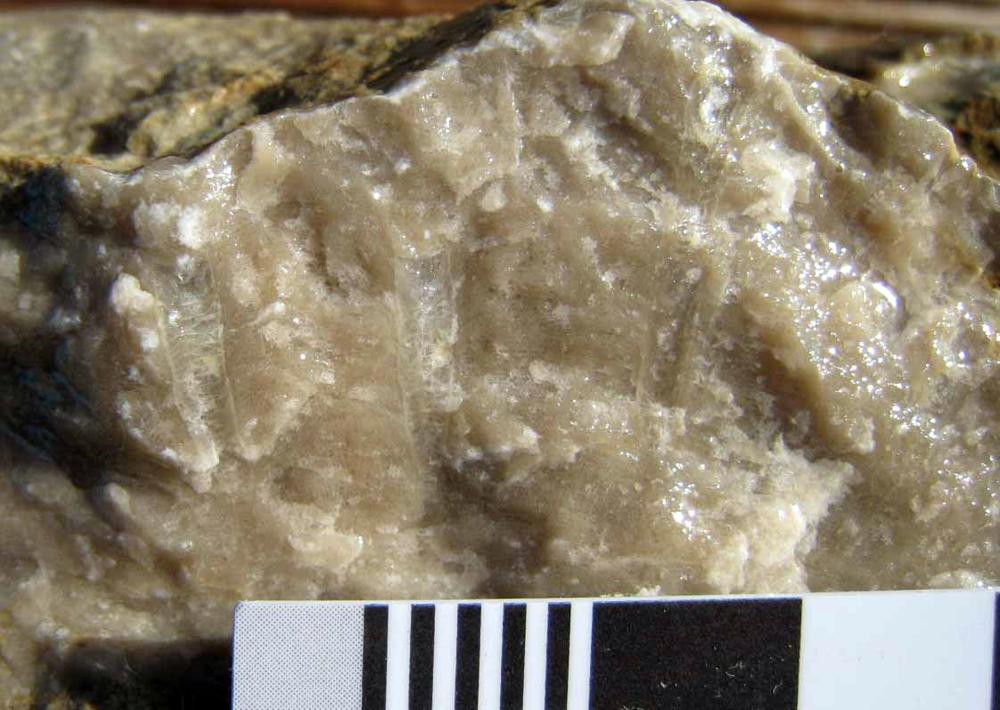
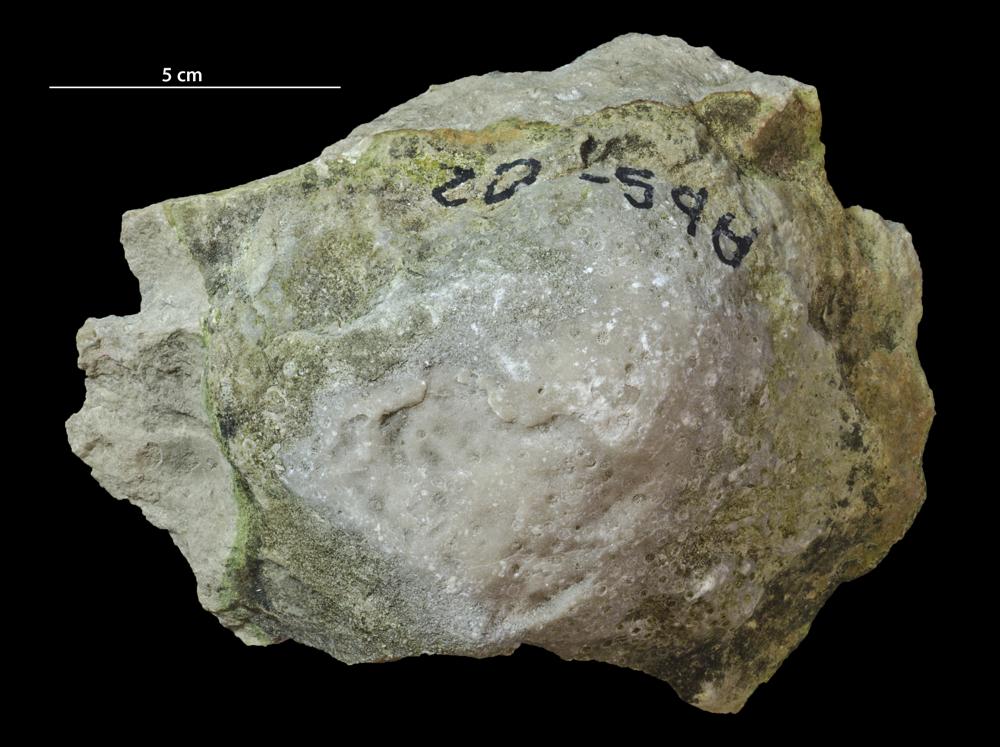
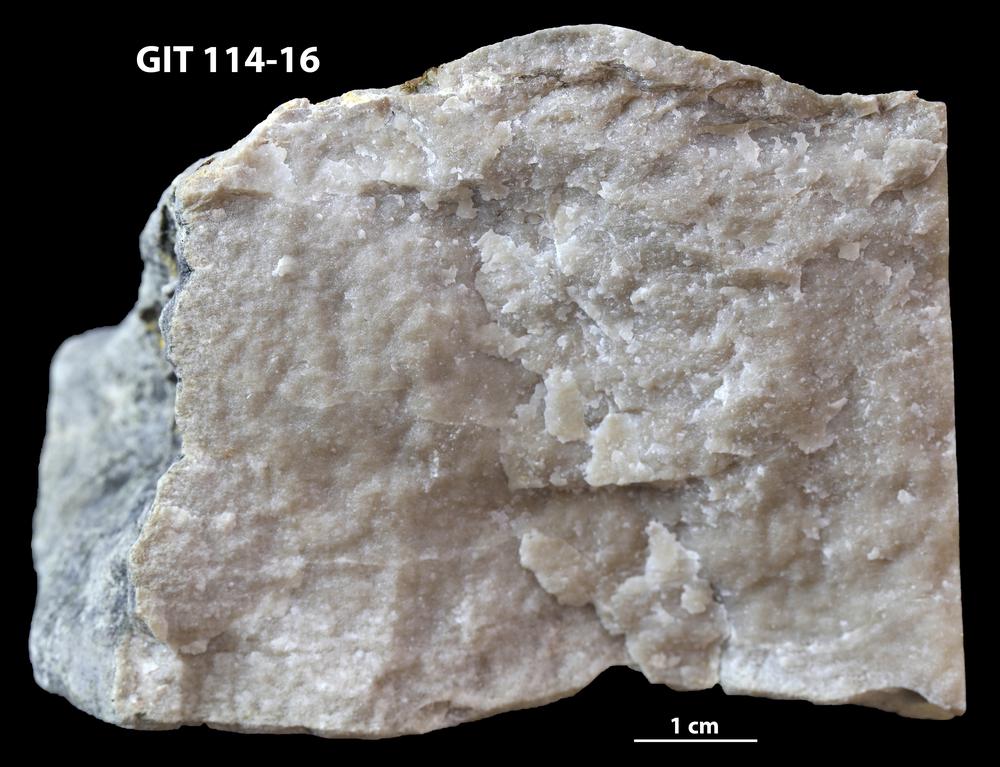
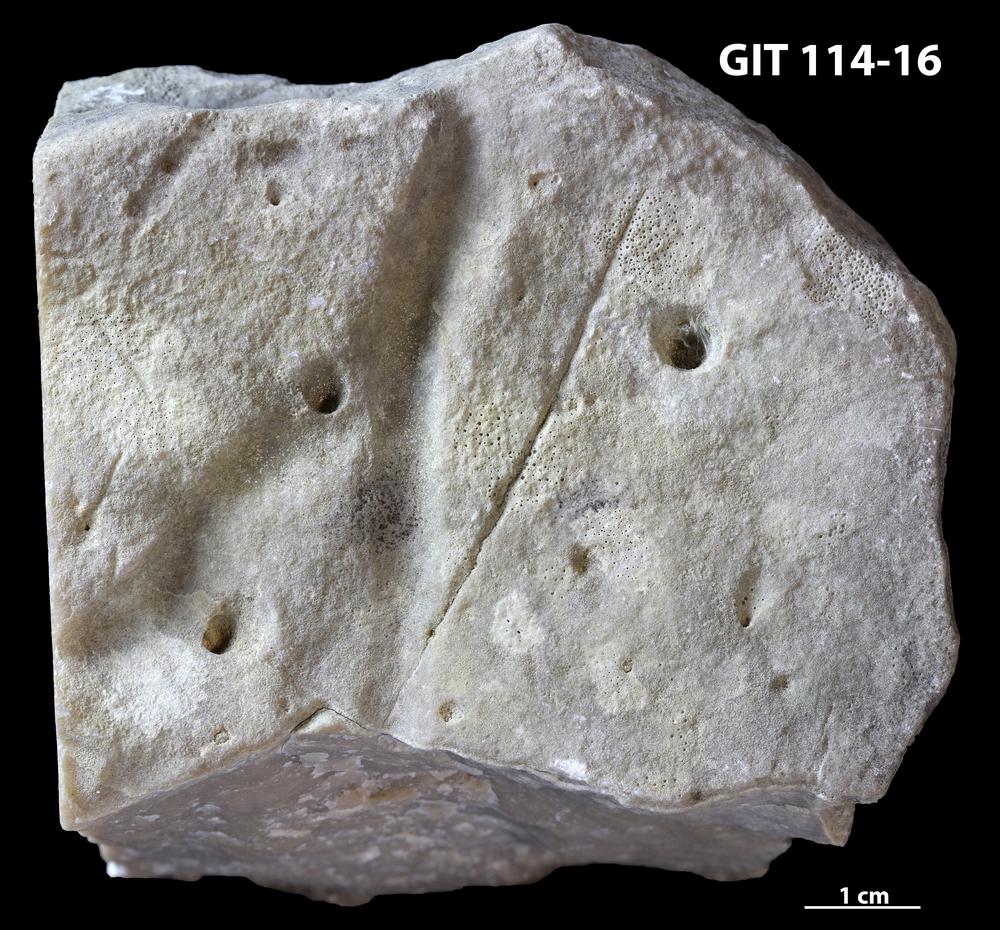
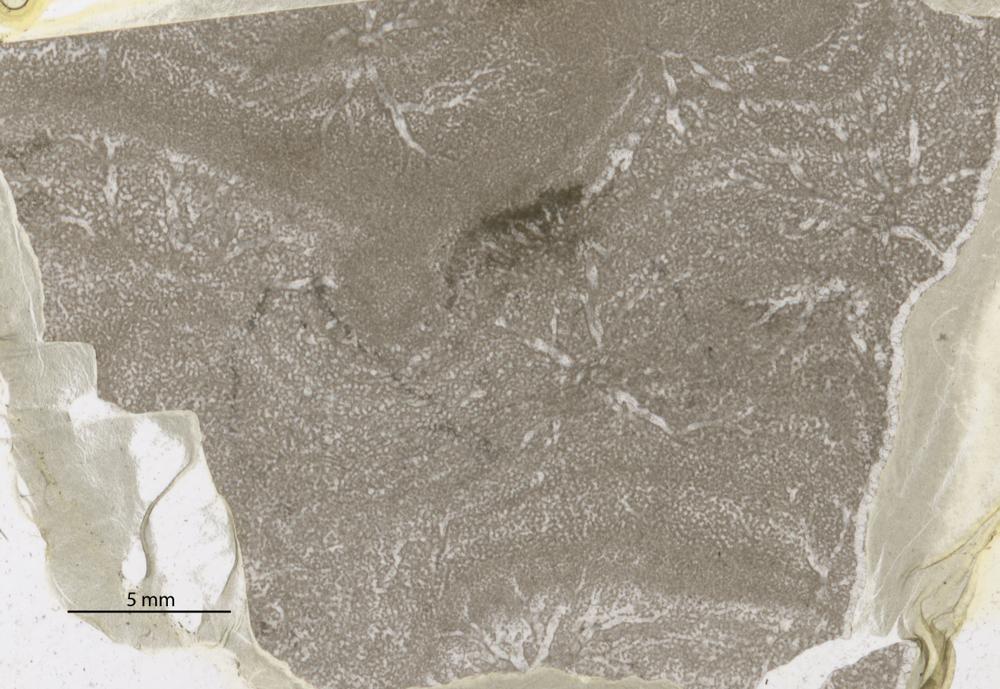
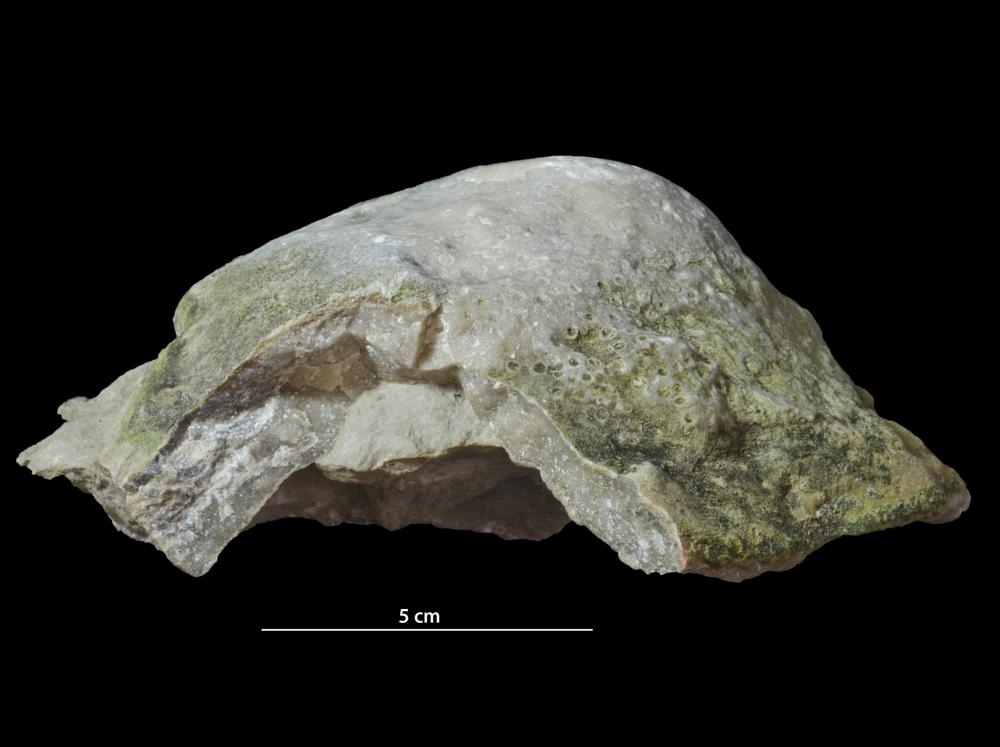
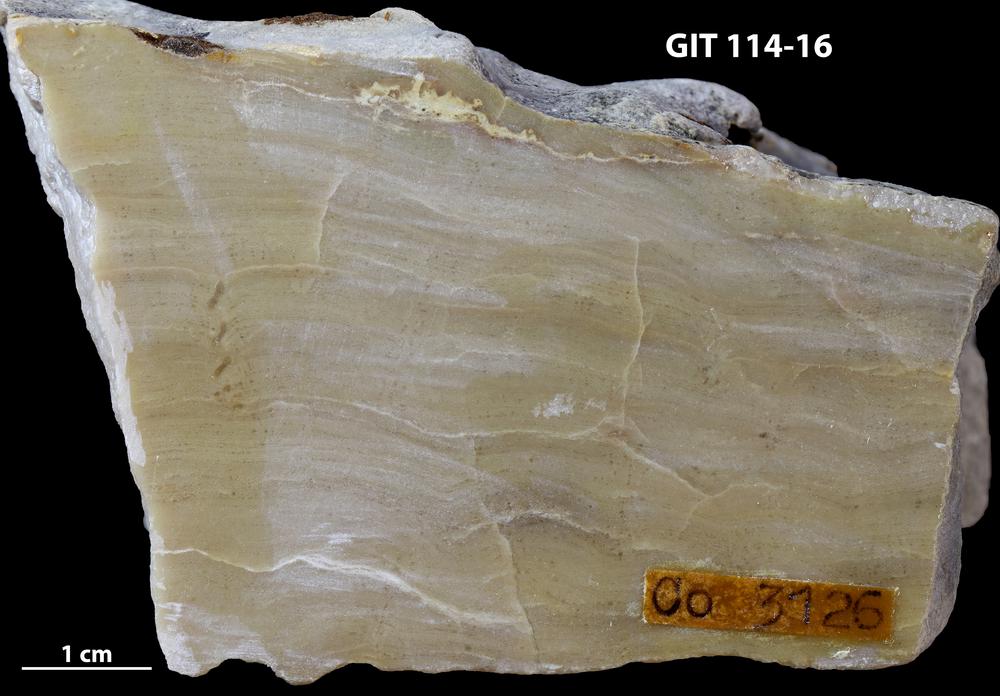
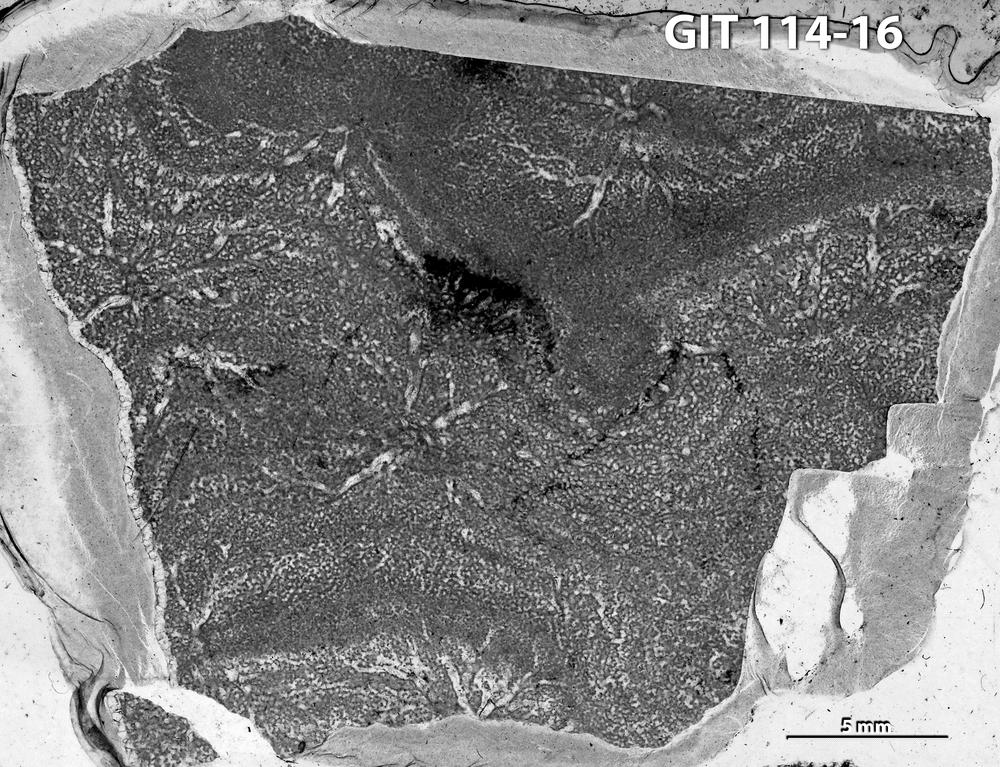
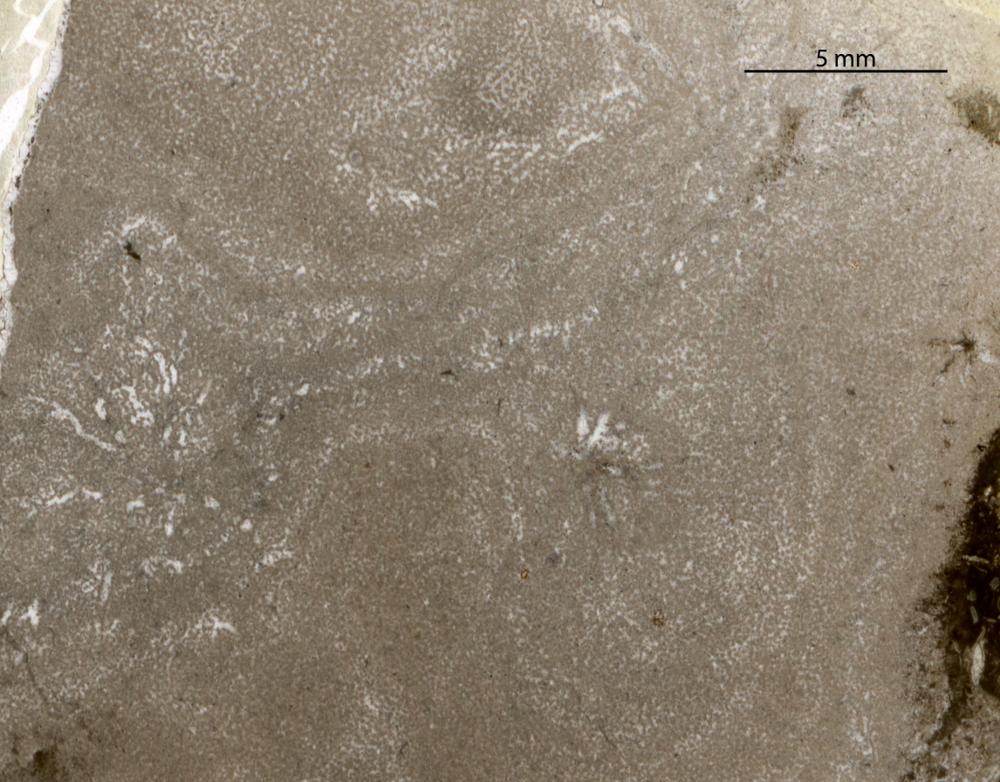
The dataset images for Ecclimadictyon astrolaxum show silicified/fossilized sponge material presented as museum specimens, consistent with a branching or sheet-like stromatoporoid skeletal morphology (a porous skeletal framework typical of fossil sponges). In the available records, the images are labeled as fossil specimens rather than living organisms.[1]
Paleoecological significance (symbiosis context)
Work on rugose endobiotic symbionts associated with stromatoporoids from the Silurian (Sheinwoodian) of Baltica highlights Ecclimadictyon astrolaxum as an important host in the studied assemblage. In the Abula cliff material from Saaremaa, Estonia, embedded rugosan corallites (Palaeophyllum sp.) were found only in E. astrolaxum among 60 stromatoporoid specimens examined, with infestation located internally within the host skeleton.[2]
The described rugosan corallites show size variation (reported as ~0.5–3.0 mm apertural width and ~3.0–15 mm length) and can be partially or fully embedded. The presence of fully internal individuals is interpreted as indicating colonization during the host’s lifetime rather than only post-mortem encrustation.
The paper discusses possible ecological relationships (mutualism to parasitism) but does not resolve a single interaction type from fossils alone.
Gallery
References
- 1 2 Dataset view for Animalia / Porifera / Ecclimadictyidae / Ecclimadictyon / astrolaxum constructed from imageomics/TreeOfLife-200M records under this taxonomic path. Hugging Face Datasets. https://huggingface.co/datasets/imageomics/TreeOfLife-200M.
- ↑ Olev Vinn; Mari‐Ann Mõtus. Endobiotic Rugosan Symbionts in Stromatoporoids from the Sheinwoodian (Silurian) of Baltica. PLoS ONE. 2014. https://doi.org/10.1371/journal.pone.0090197.