Astraeospongium
Taxonomy
This page represents the following TreeOfLife-200M taxonomic path.[1]
- Kingdom: Animalia
- Phylum: Porifera
- Class: Calcarea
- Order: Astraeospongiidae
- Family: Astraeospongium
Visual Description
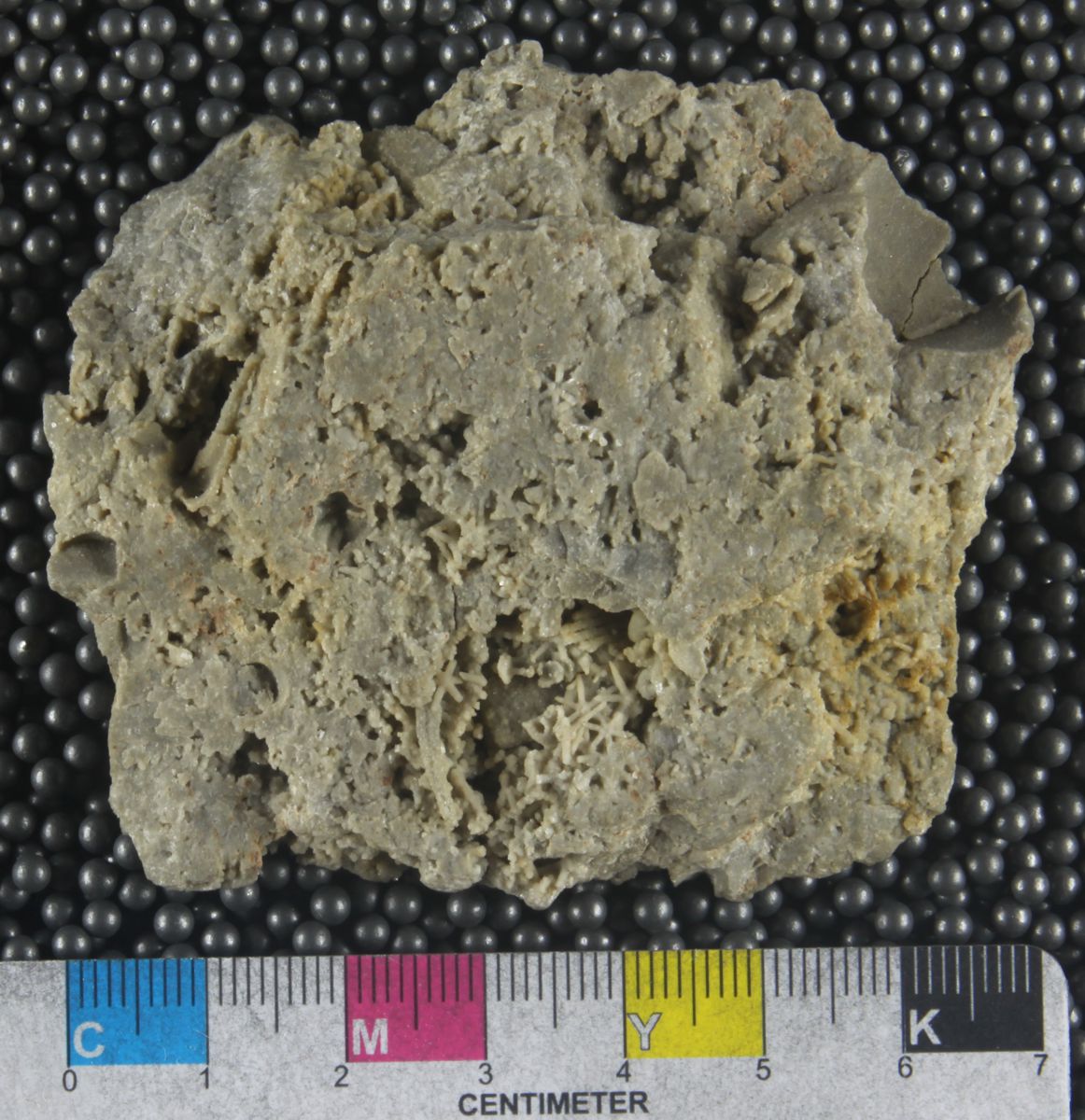
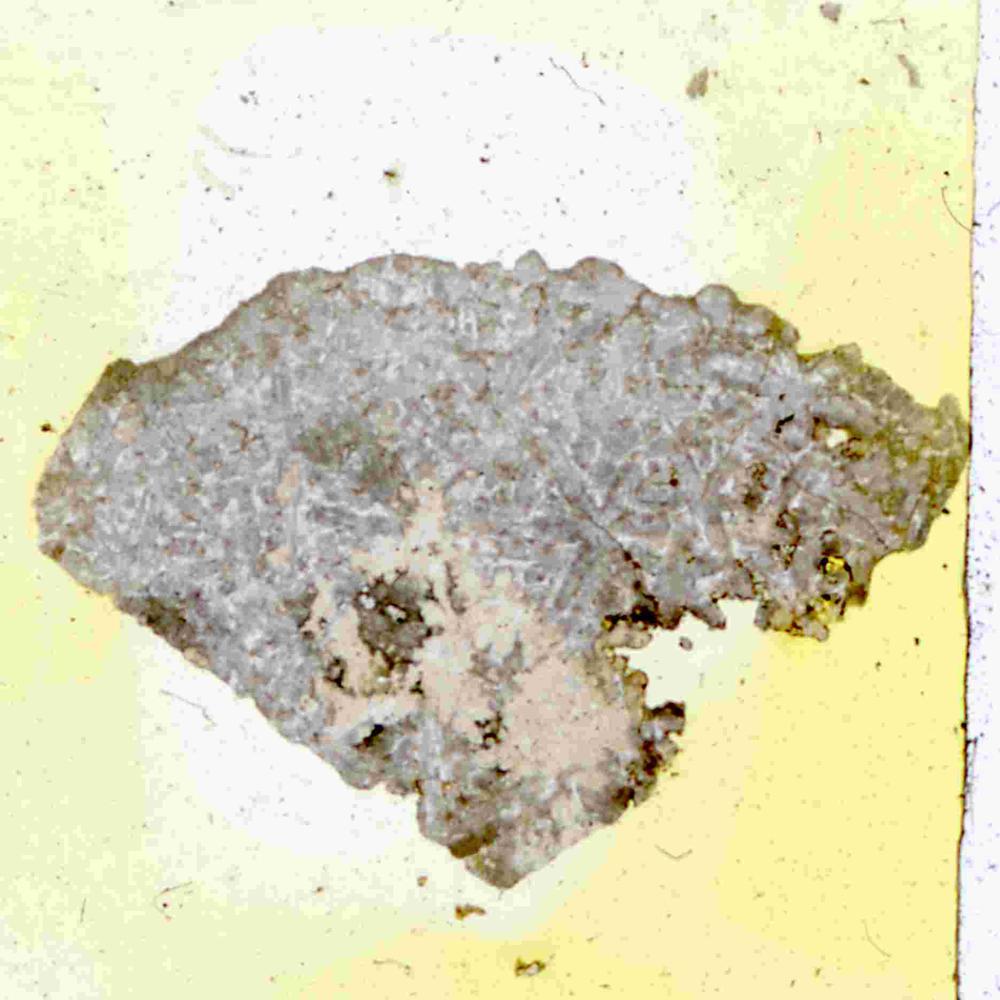
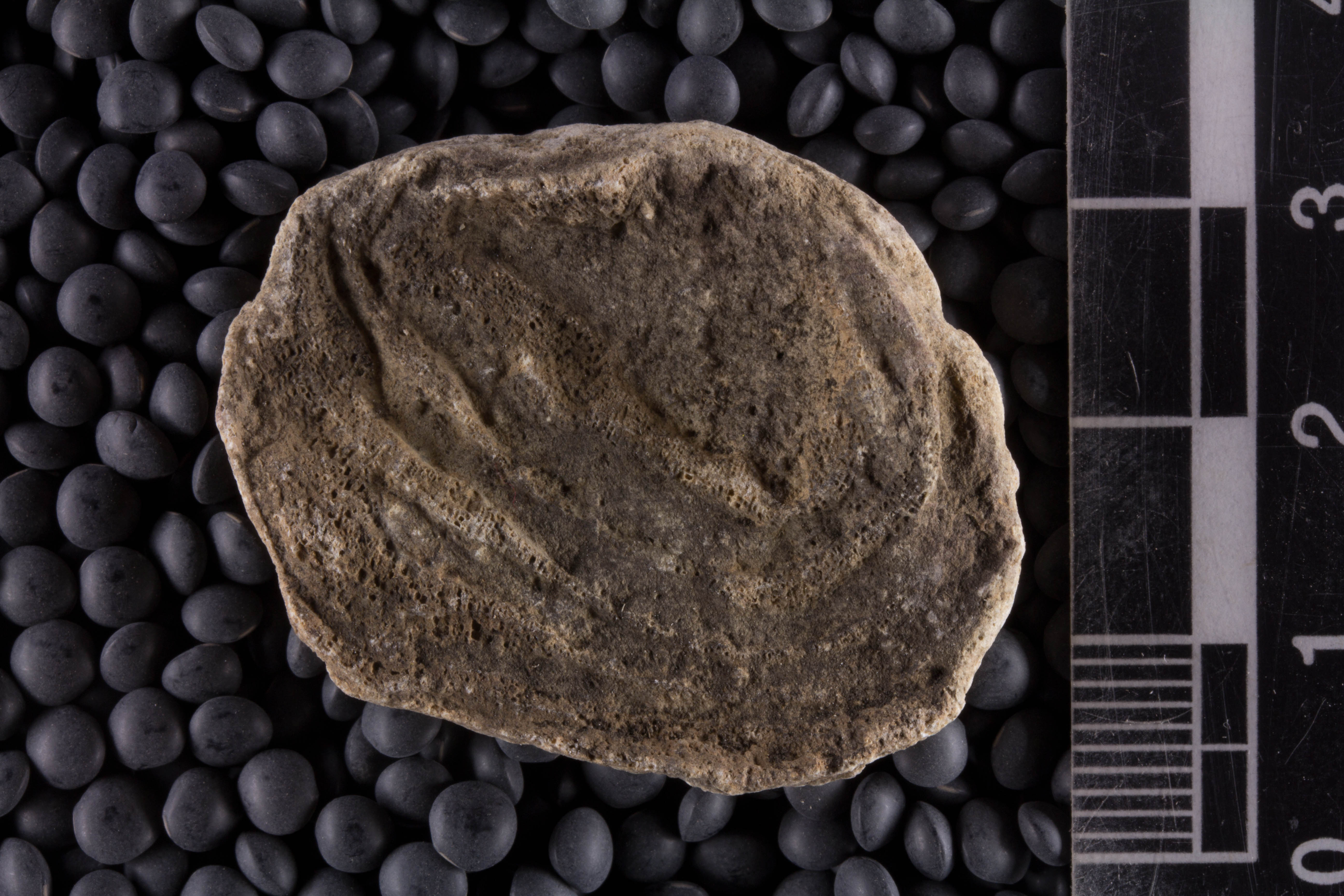
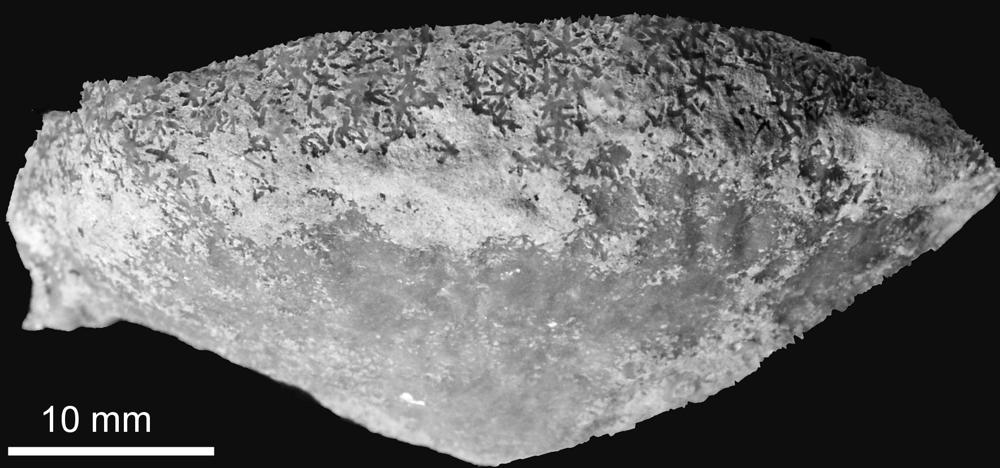
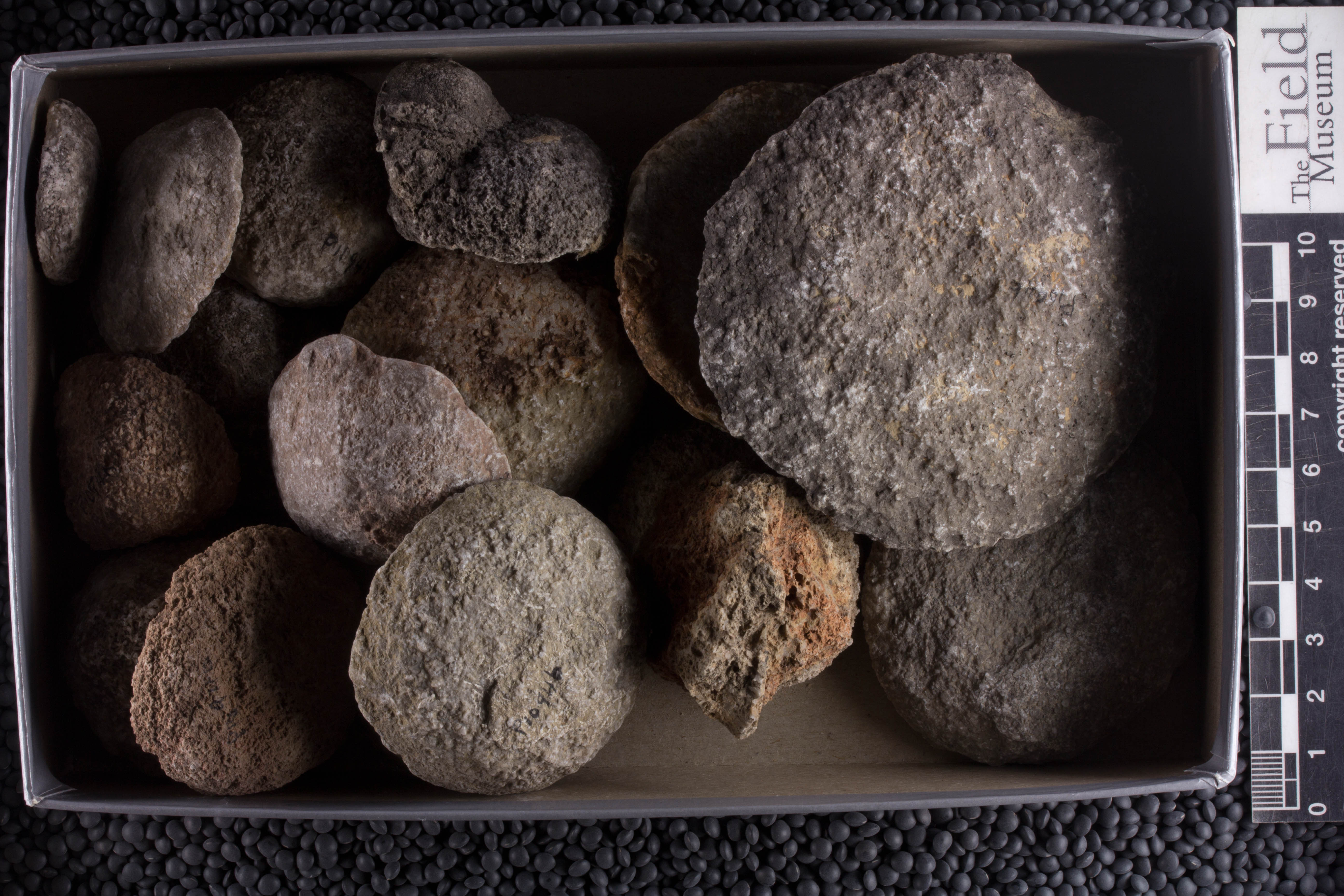
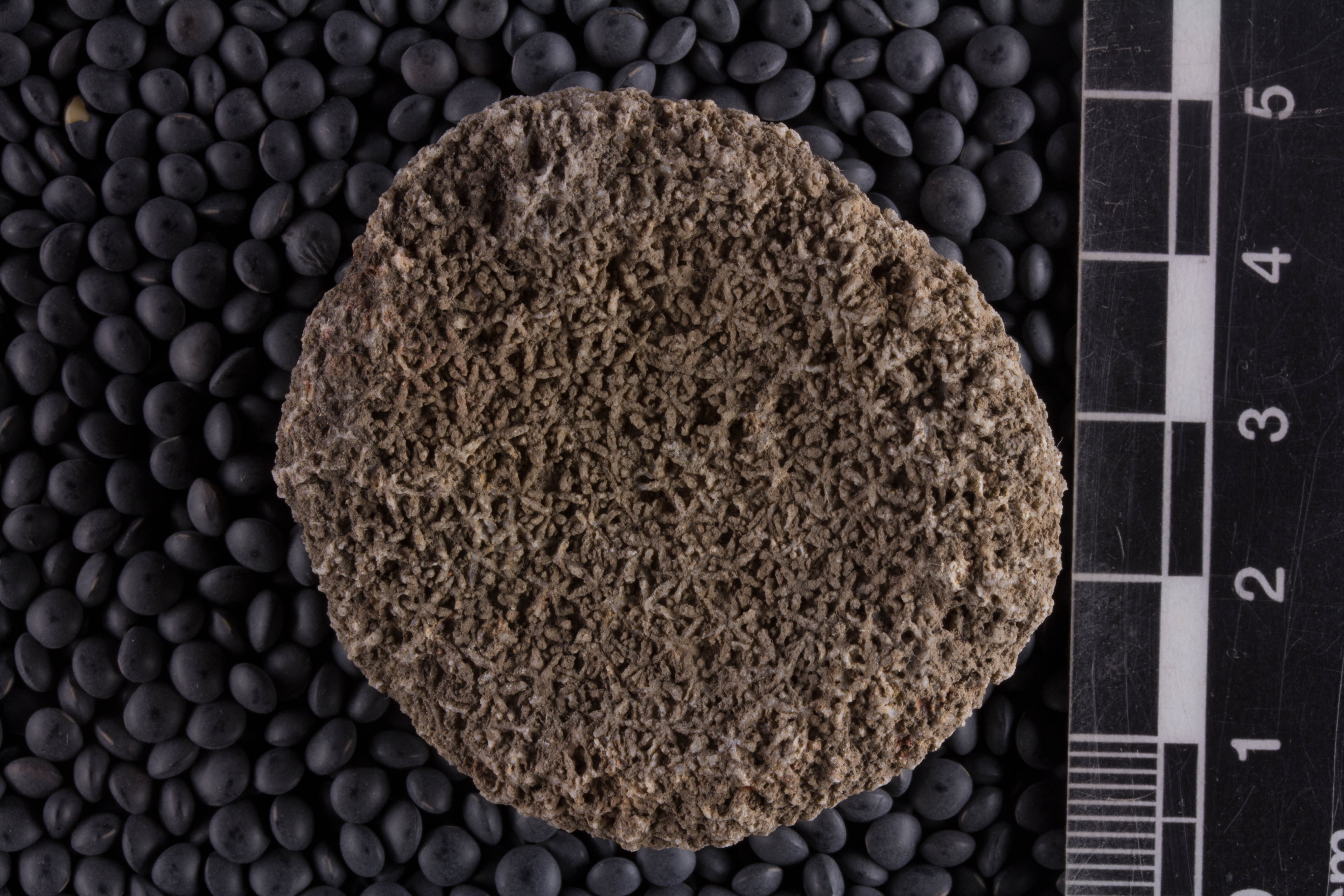
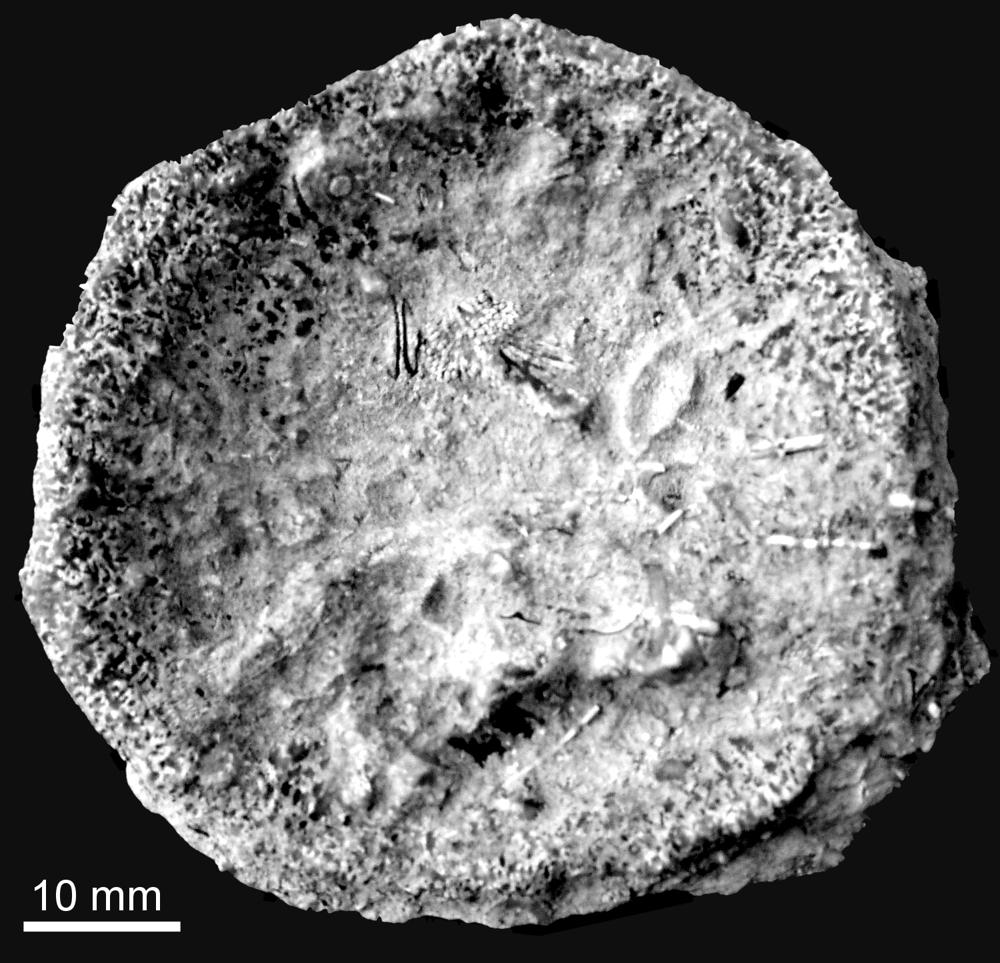
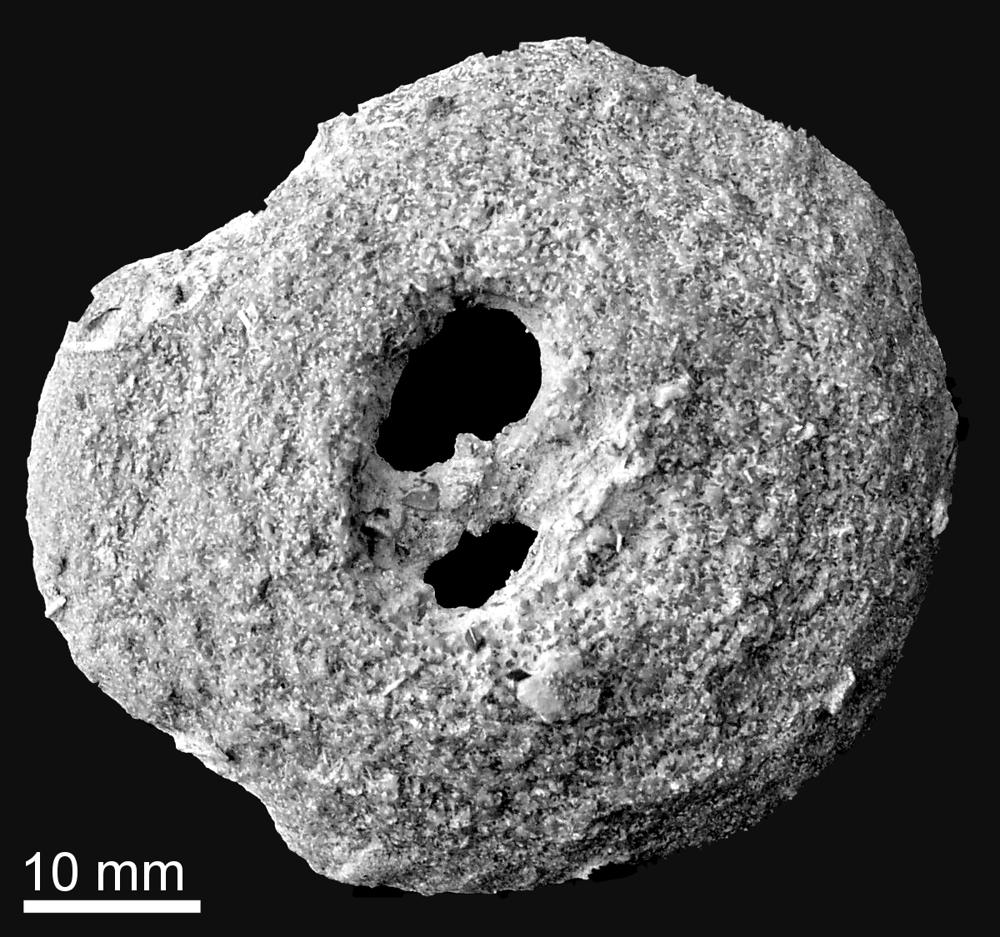
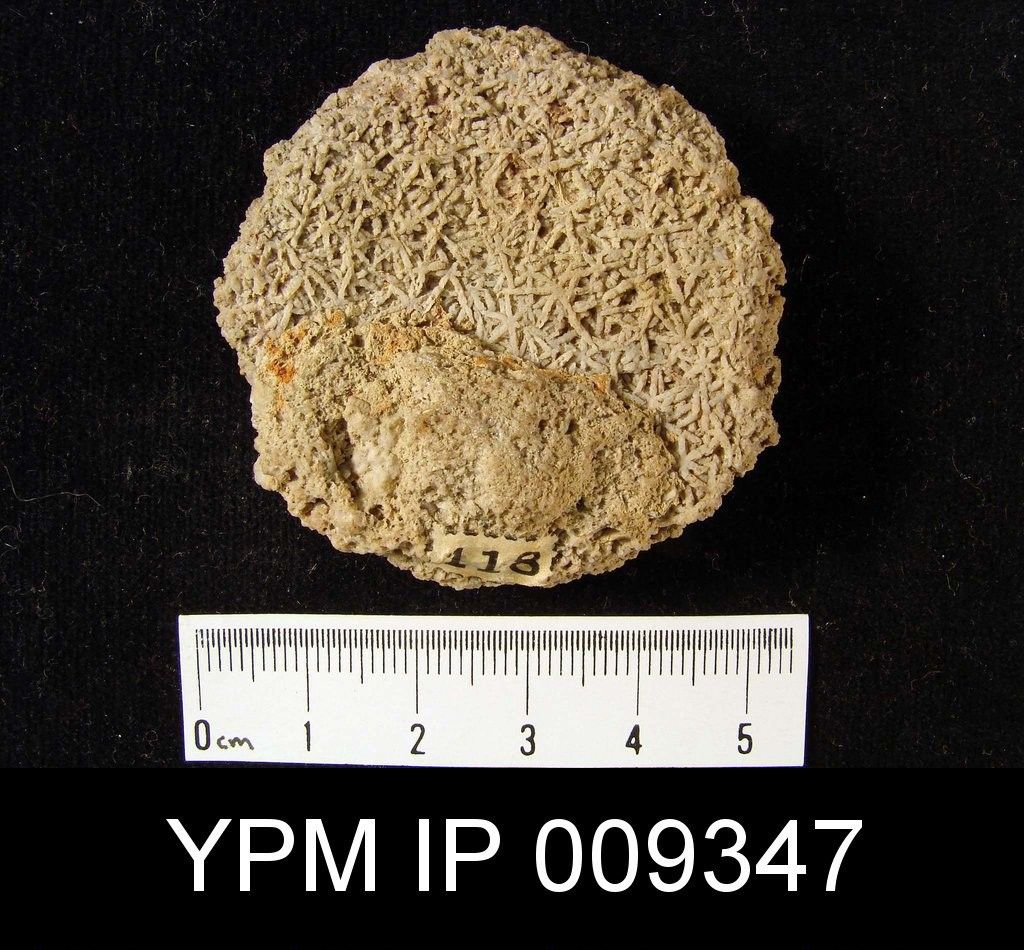
Fossil material attributed to Astraeospongium is commonly represented in museum collections as discrete, cemented calcitic sponge skeletons. Dataset images show specimens consistent with encrusting to bowl/saucer-shaped forms, aligning with the architectural tendency described for Astraeospongiidae.
General Biology and Evolutionary Notes (Fossil Sponges)
Sponges assigned to Astraeospongiidae (including Astraeospongium) are part of the early Palaeozoic heteractinid-grade sponges traditionally grouped among “primitive calcareans”. In the fossil record, astraeospongiids are distinguished by dense, mutually intergrown, typically multi-rayed (often hexaradiate) calcitic spicules, with secondary calcareous cement contributing to a relatively rigid architecture.
Descriptions of astraeospongiids also emphasize architectural conservatism, with many forms reported as bowl-shaped to saucer-shaped.
Phylogenetic placement of early heteractinid-like sponges is difficult because early “superficially hexactinellid-like” fossils and variation in biminerallic spicule character complicate inference when mineralogical confirmation is limited.
Gallery
References
- ↑ Dataset view for Animalia / Porifera / Calcarea / Astraeospongiidae / Astraeospongium constructed from imageomics/TreeOfLife-200M records under this taxonomic path. Hugging Face Datasets. https://huggingface.co/datasets/imageomics/TreeOfLife-200M.