Astraeospongiidae
Taxonomy
This page represents the following TreeOfLife-200M taxonomic path.[1]
- Kingdom: Animalia
- Phylum: Porifera
- Class: Calcarea
- Order: Astraeospongiidae
Visual Description
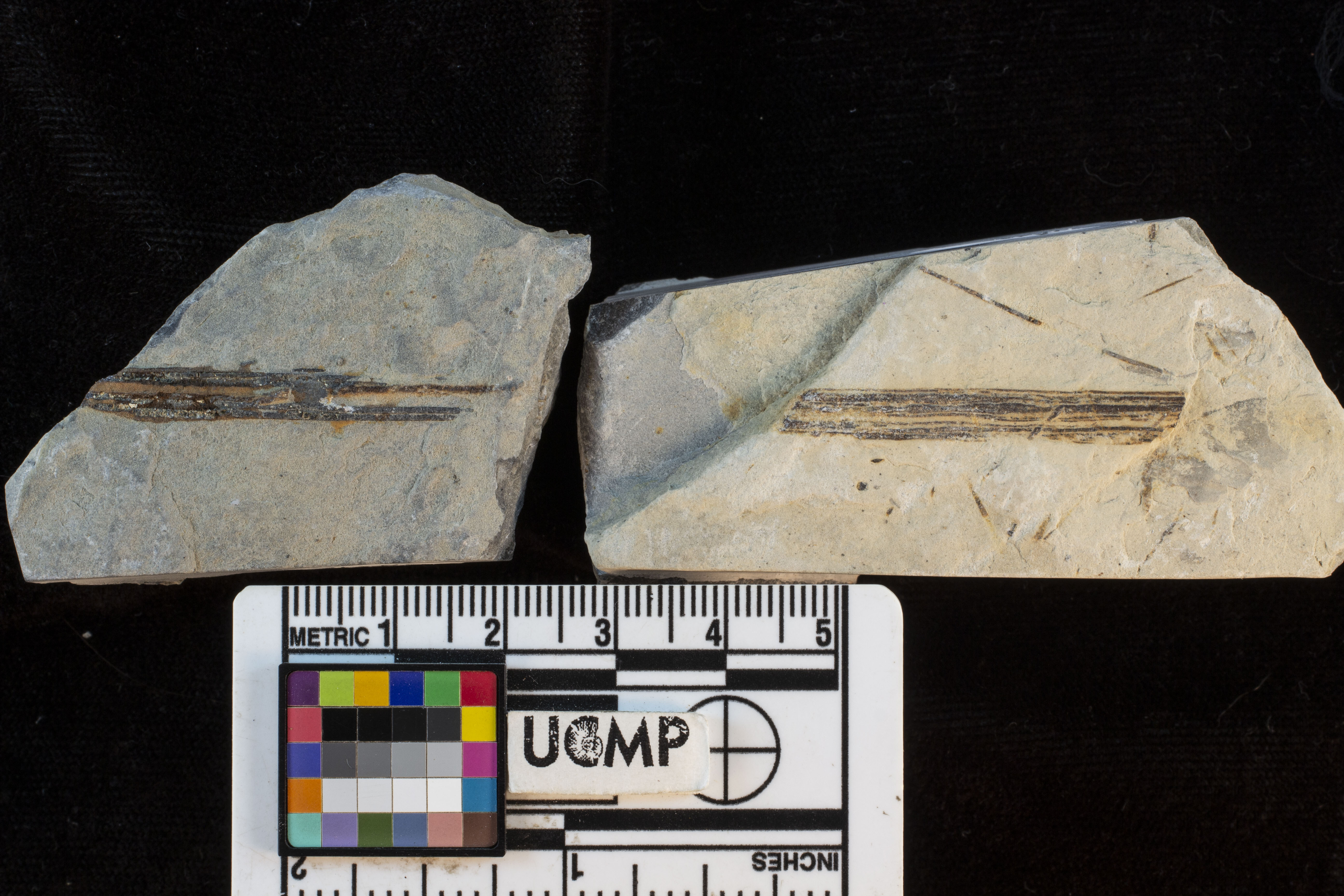
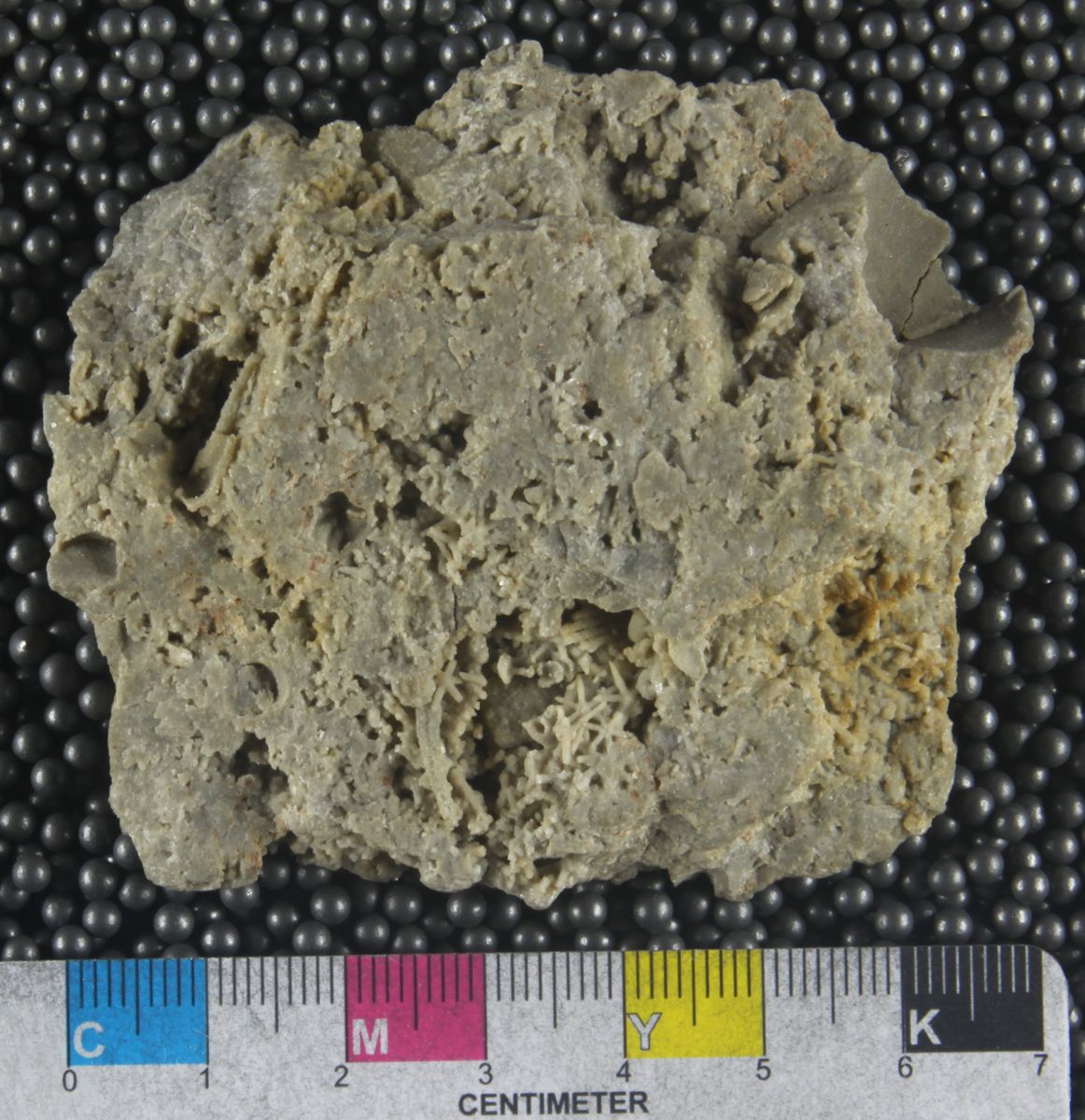
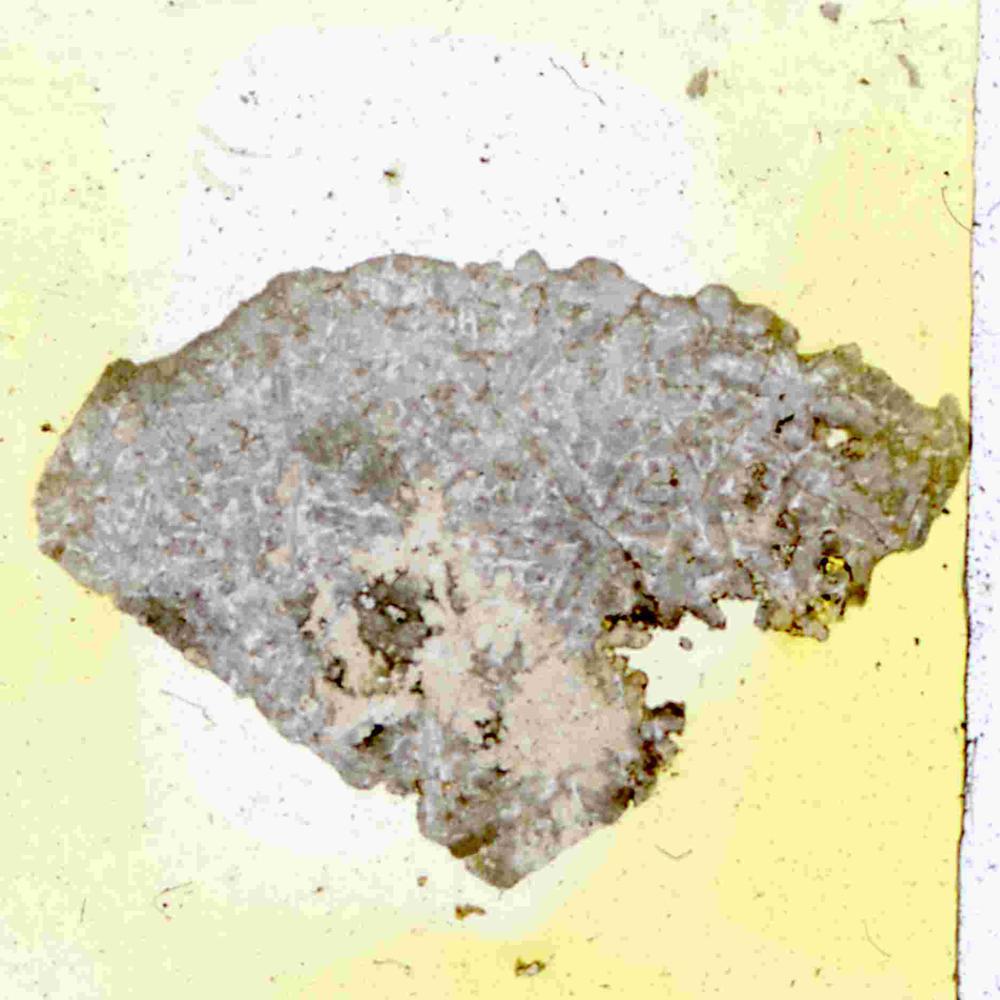
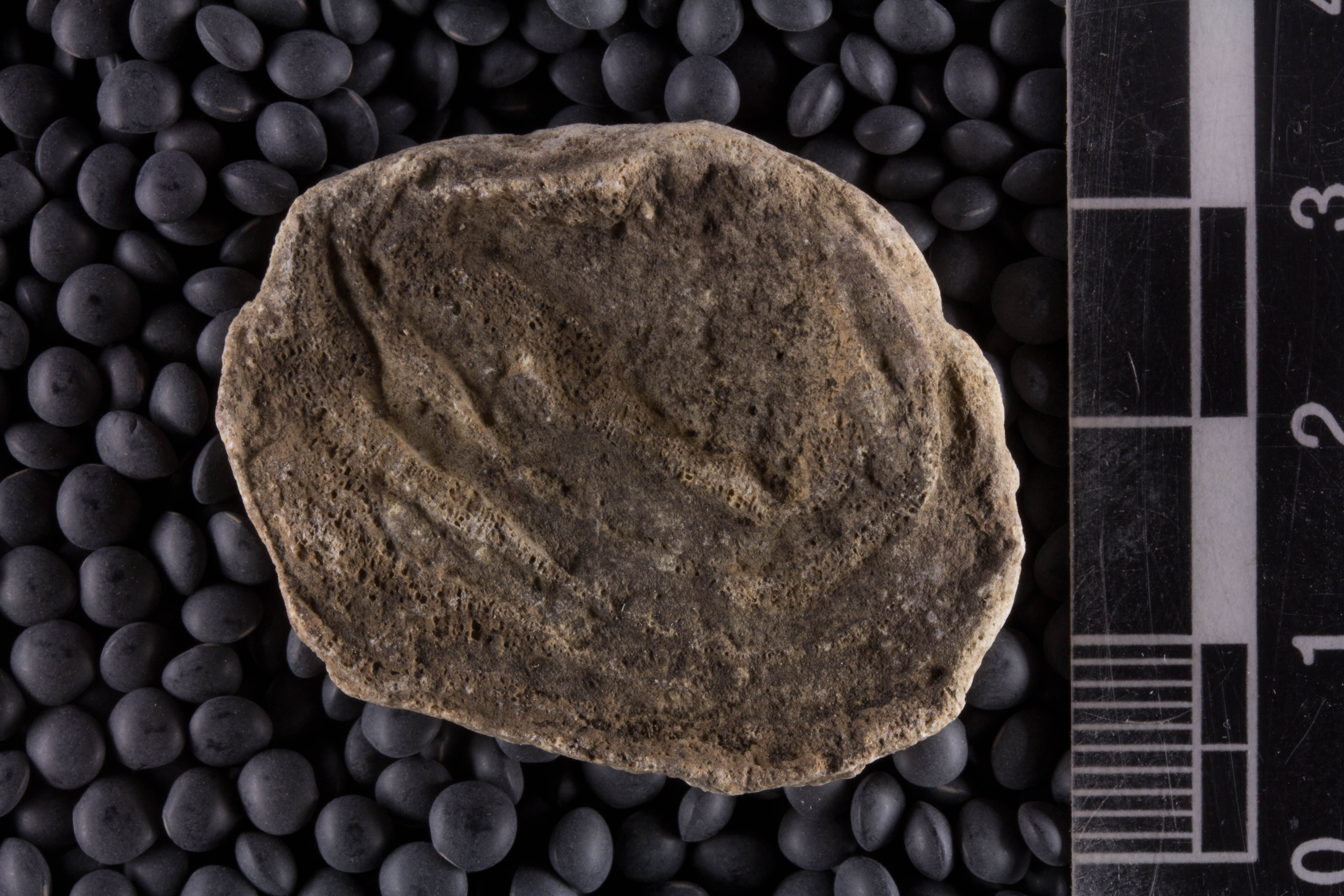
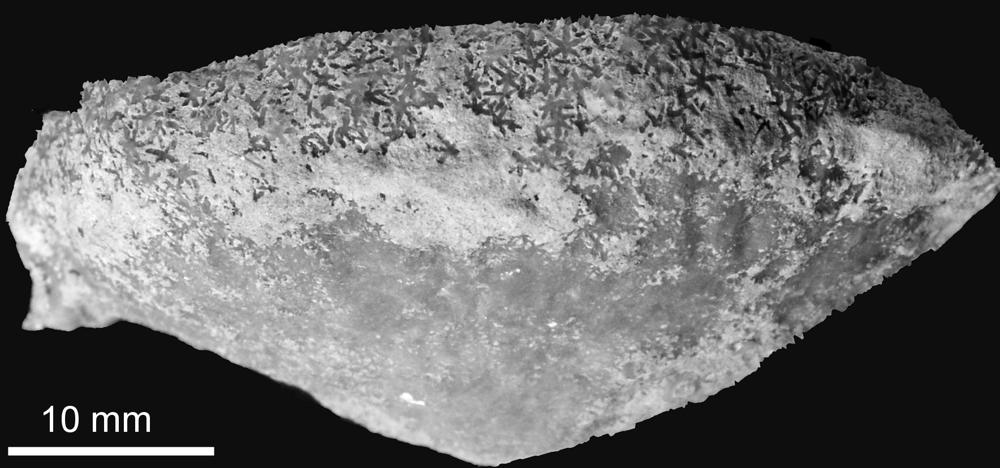
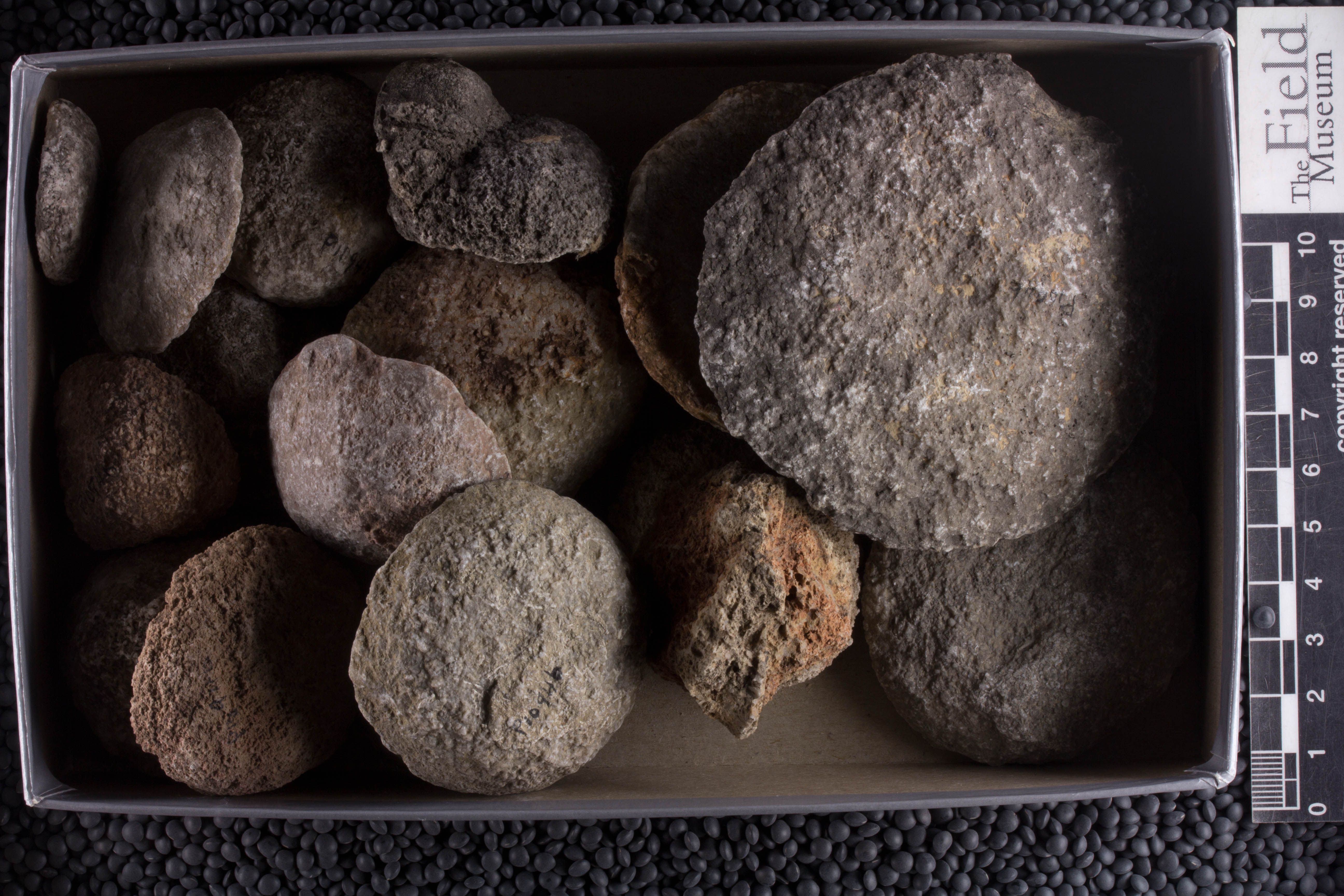
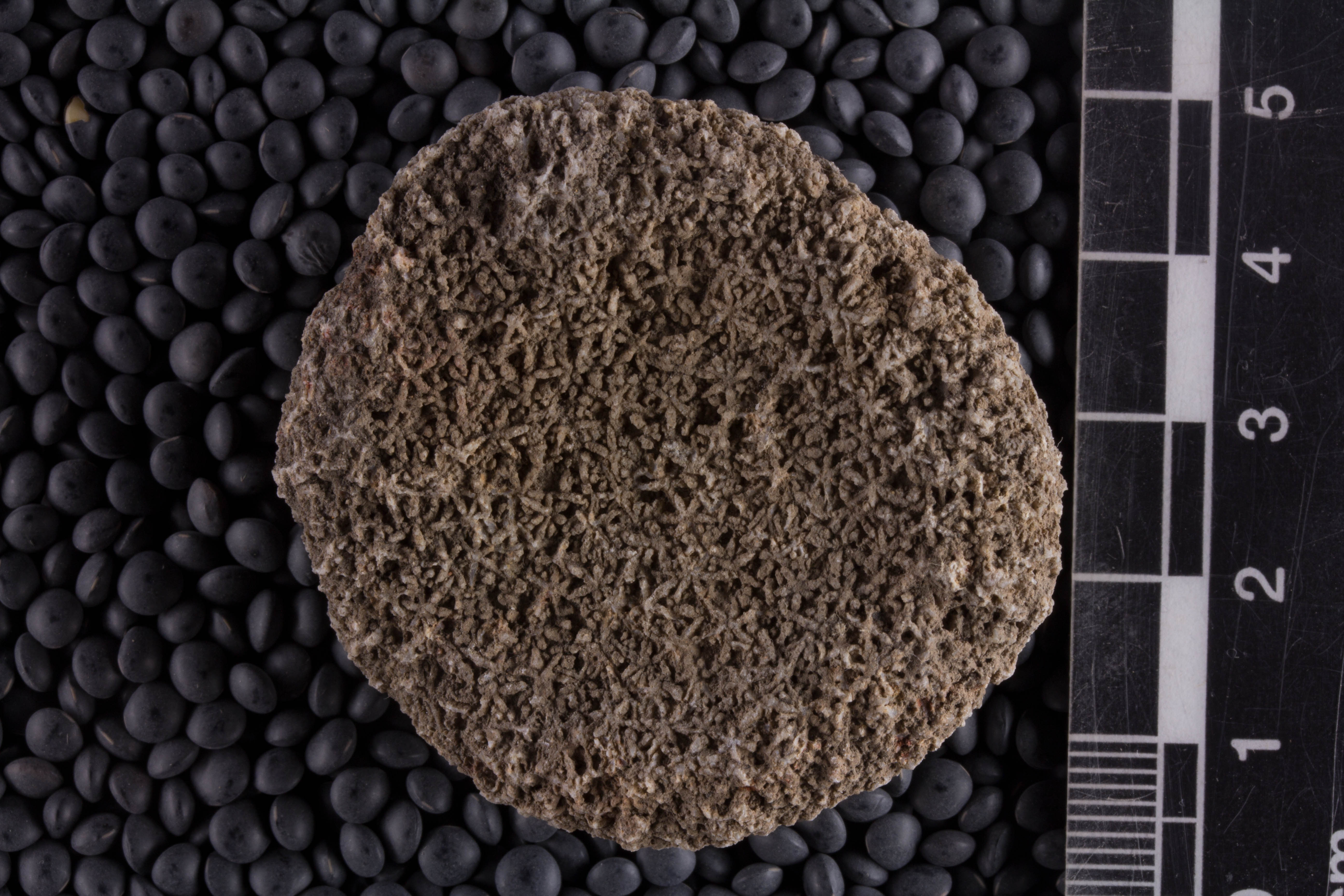
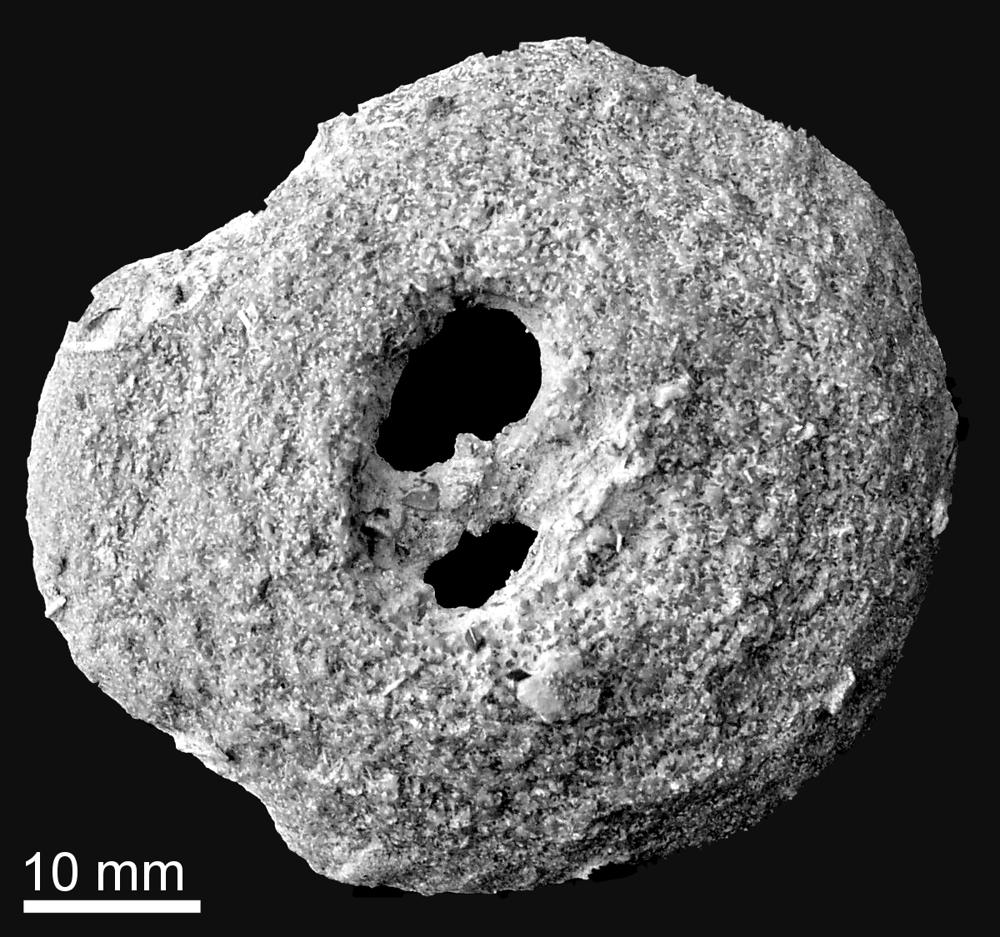
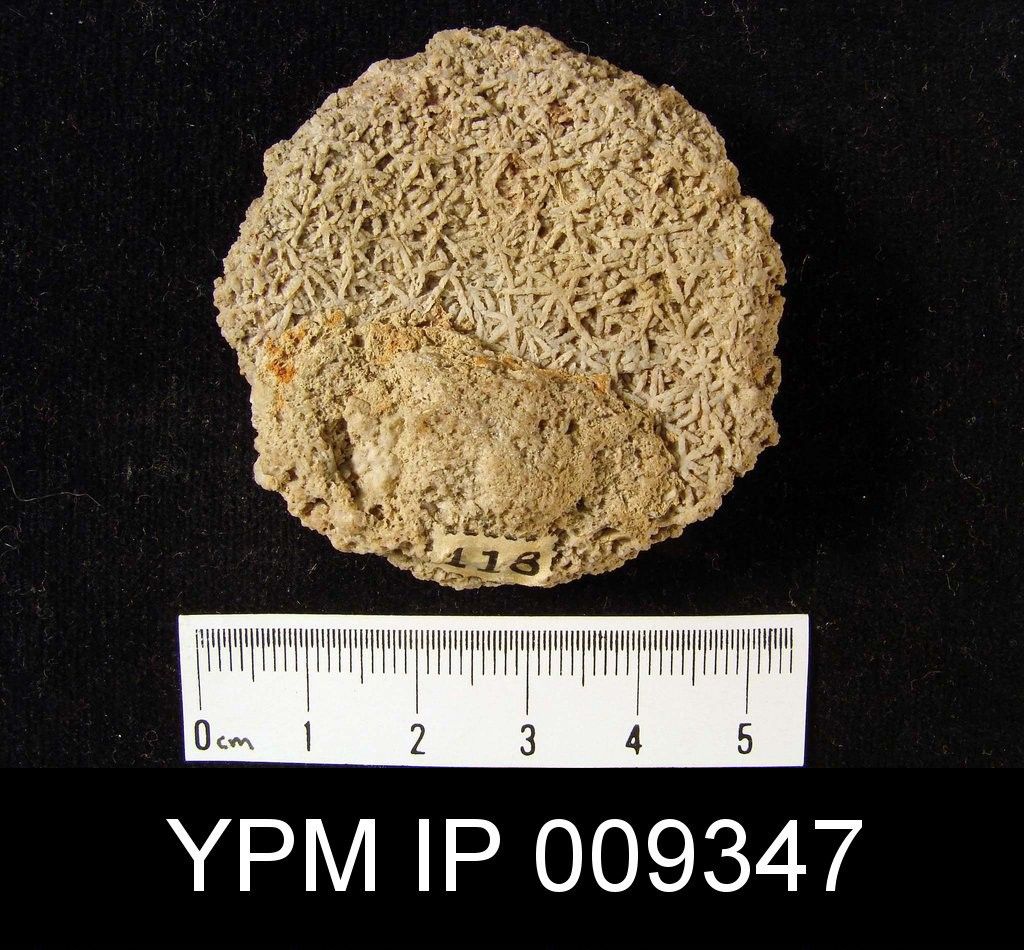
Across museum-fossil records associated with Astraeospongiidae (e.g., specimens imaged and indexed under this order), the typical appearance is of a rigid, mineralized sponge body dominated by densely packed calcitic spicules.
Common preserved gross morphologies include:
- Bowl-shaped to saucer-shaped bodies (a recurring overall form in the order’s morphology as described in the literature).
- Structured, cemented spicule frameworks that can preserve a relatively distinct architecture in fossils.
These visual patterns align with the general description of Astraeospongiidae as morphologically conservative heteractinid-like calcareans with cemented spicule masses.
Morphology and spiculation (generalizable points)
Astraeospongiidae falls within heteractinid-like calcareans characterized by multi-rayed (often hexaradiate) calcitic spicules, with spicule systems forming rigid, cemented architectures in representative taxa.
In Astraeospongiidae specifically, the literature emphasizes that forms are morphologically and structurally conservative, with many described as bowl-shaped to saucer-shaped. Spicule systems in heteractinids can also include a structurally distinct axial core, supporting preservation of internal organization in fossils.
Paleoecology and occurrence (high-level)
The literature describes Astraeospongiidae as occasionally but widespread in Silurian–Devonian carbonate platform communities.
Notes on classification context
Broader phylogenetic work highlights that spicular traits previously treated as class-diagnostic can show unexpected distributions across early sponge lineages, complicating simple assignment of early fossils to “hexactinellid-like” versus “heteractinid-like” categories.
Gallery

References
- ↑ Dataset view for Animalia / Porifera / Calcarea / Astraeospongiidae constructed from imageomics/TreeOfLife-200M records under this taxonomic path. Hugging Face Datasets. https://huggingface.co/datasets/imageomics/TreeOfLife-200M.