Asteropus
Taxonomy
This page represents the following TreeOfLife-200M taxonomic path.[1]
- Kingdom: Animalia
- Phylum: Porifera
- Class: Demospongiae
- Order: Tetractinellida
- Family: Ancorinidae
- Genus: Asteropus
Visual Description
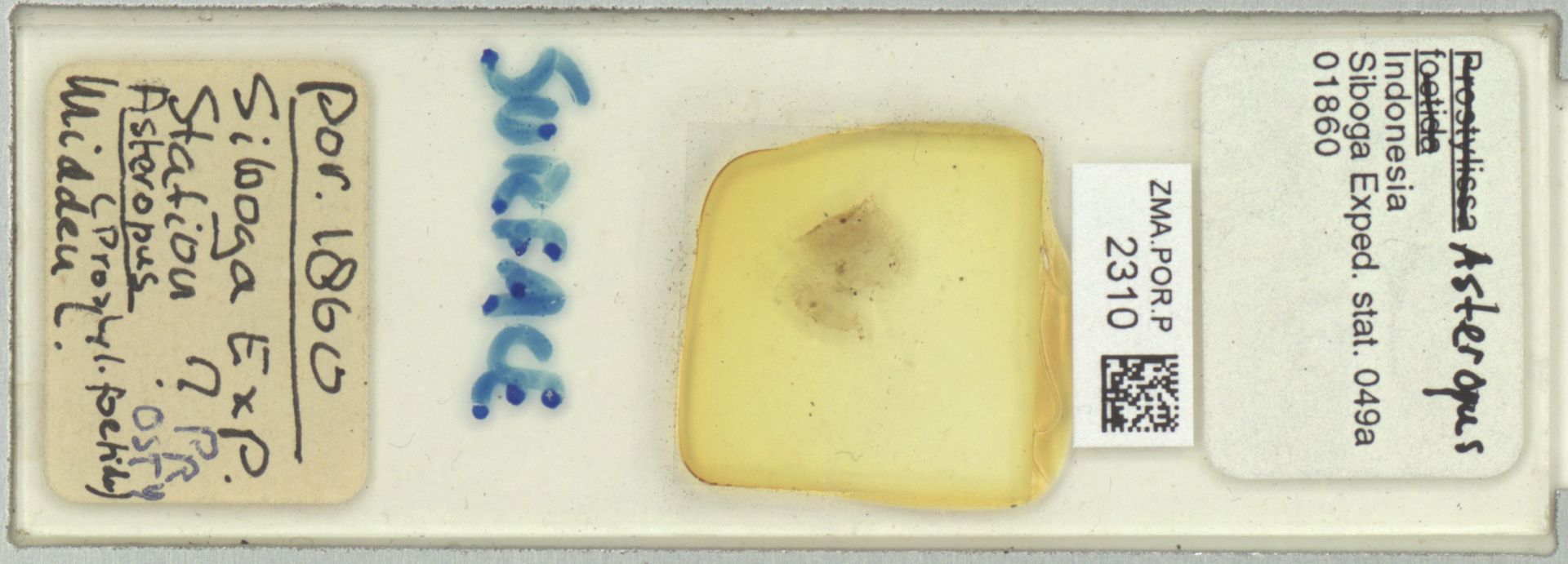
Records for Asteropus in aggregated image/museum datasets document the genus as preserved demosponges (invertebrate zoology museum material).[2]
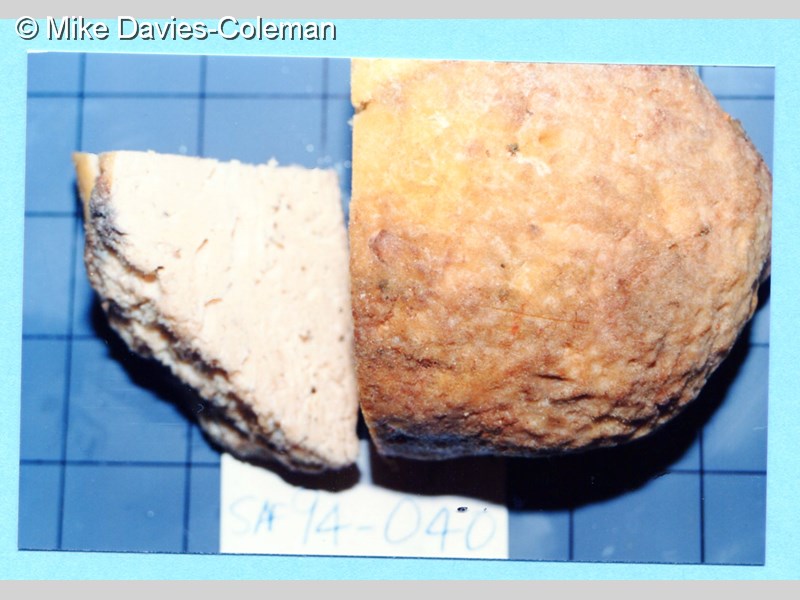
From specimen-level photographs, Asteropus is typically shown as an irregularly shaped, attached sponge body (not a thin sheet), with visible surface texture and uneven external topography.
Notes on interpretation from images
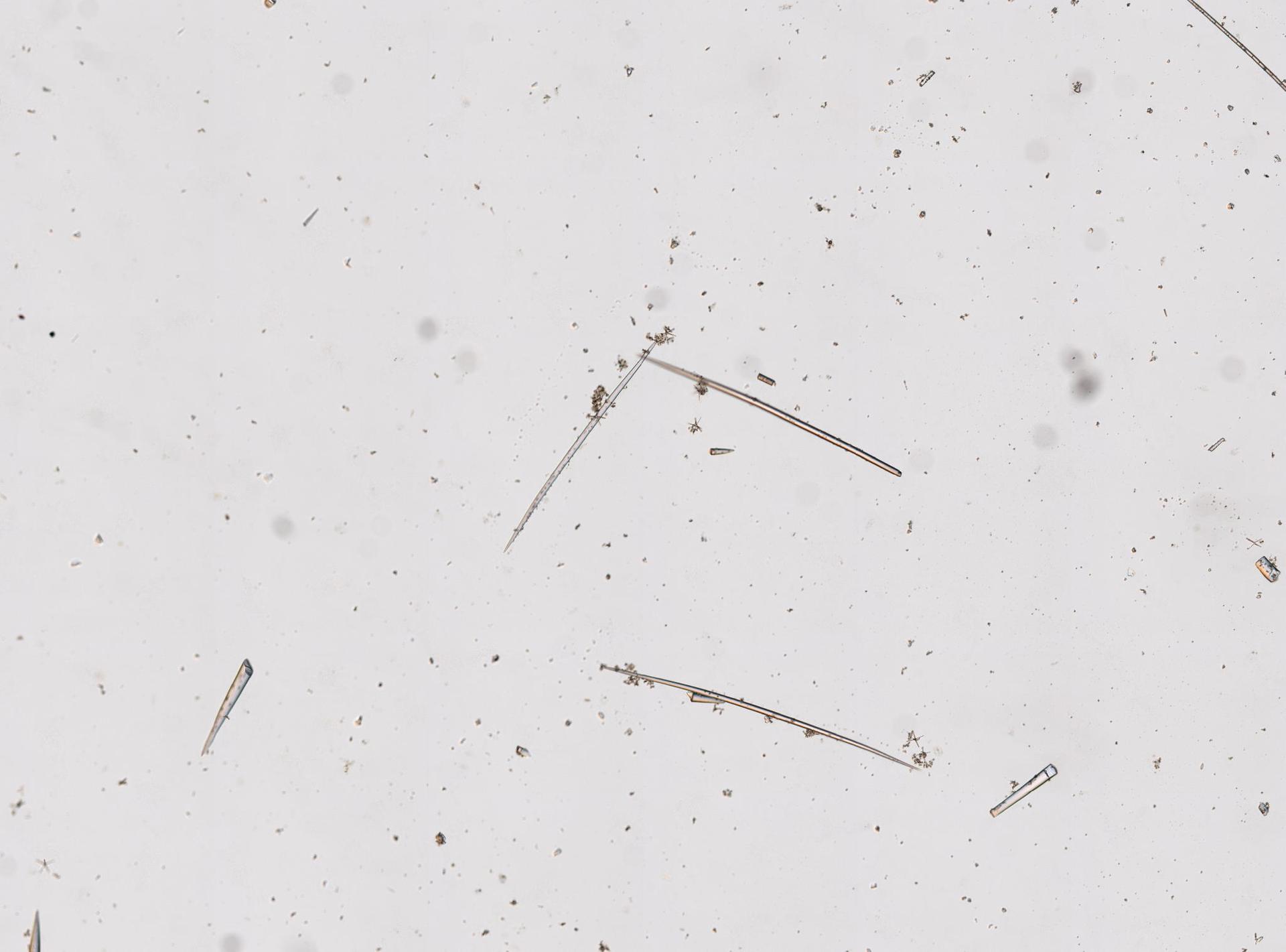
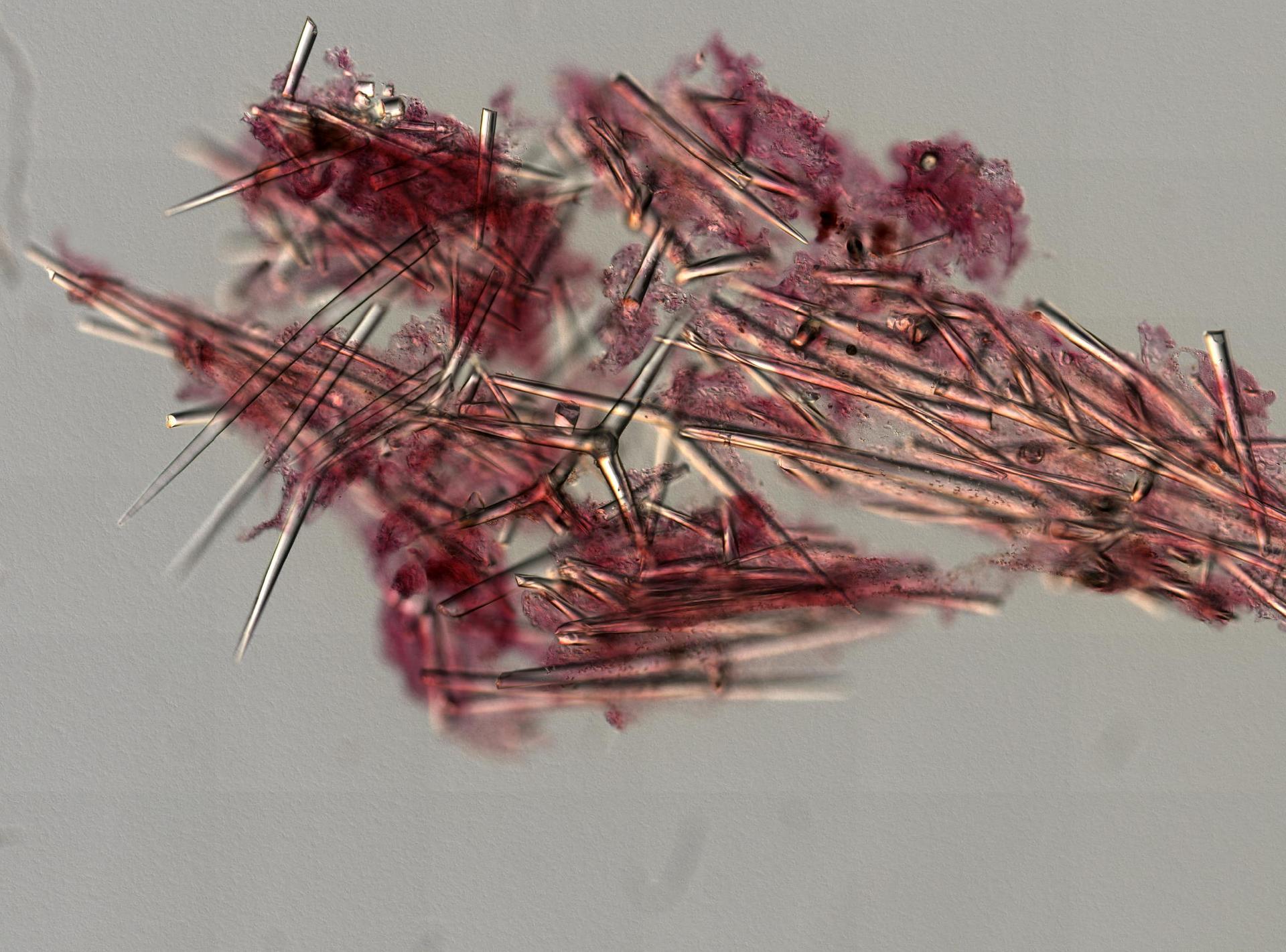
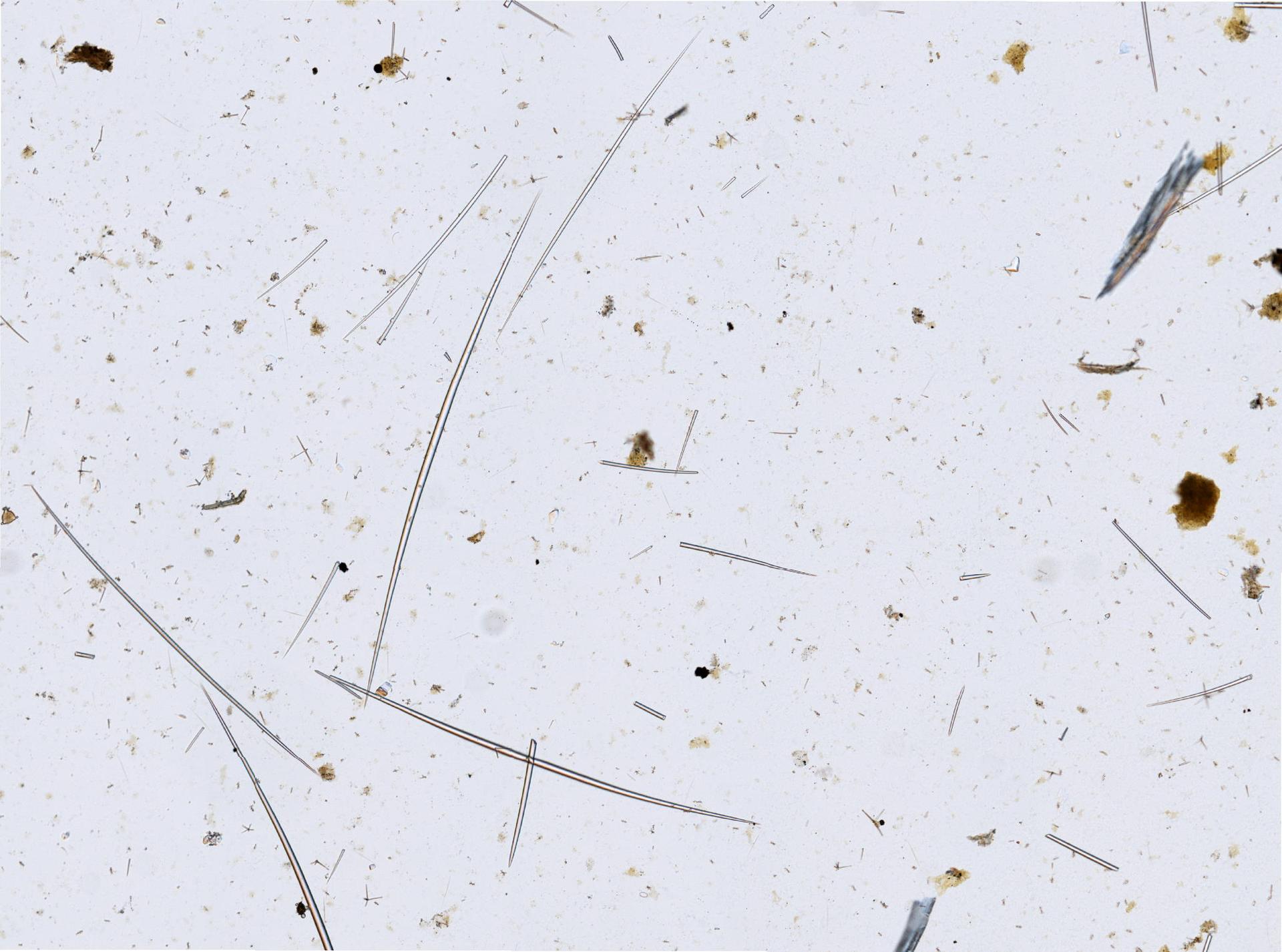
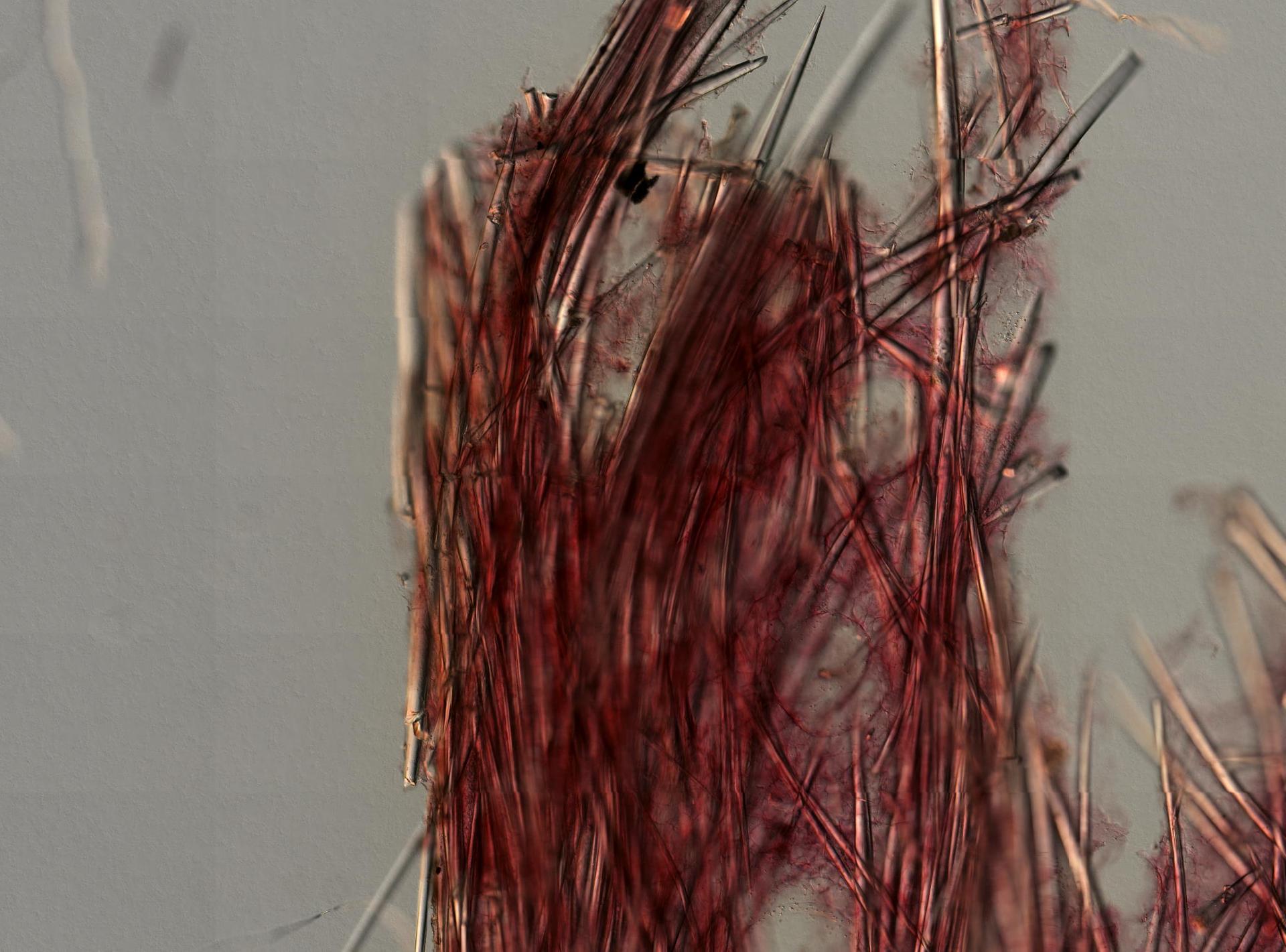
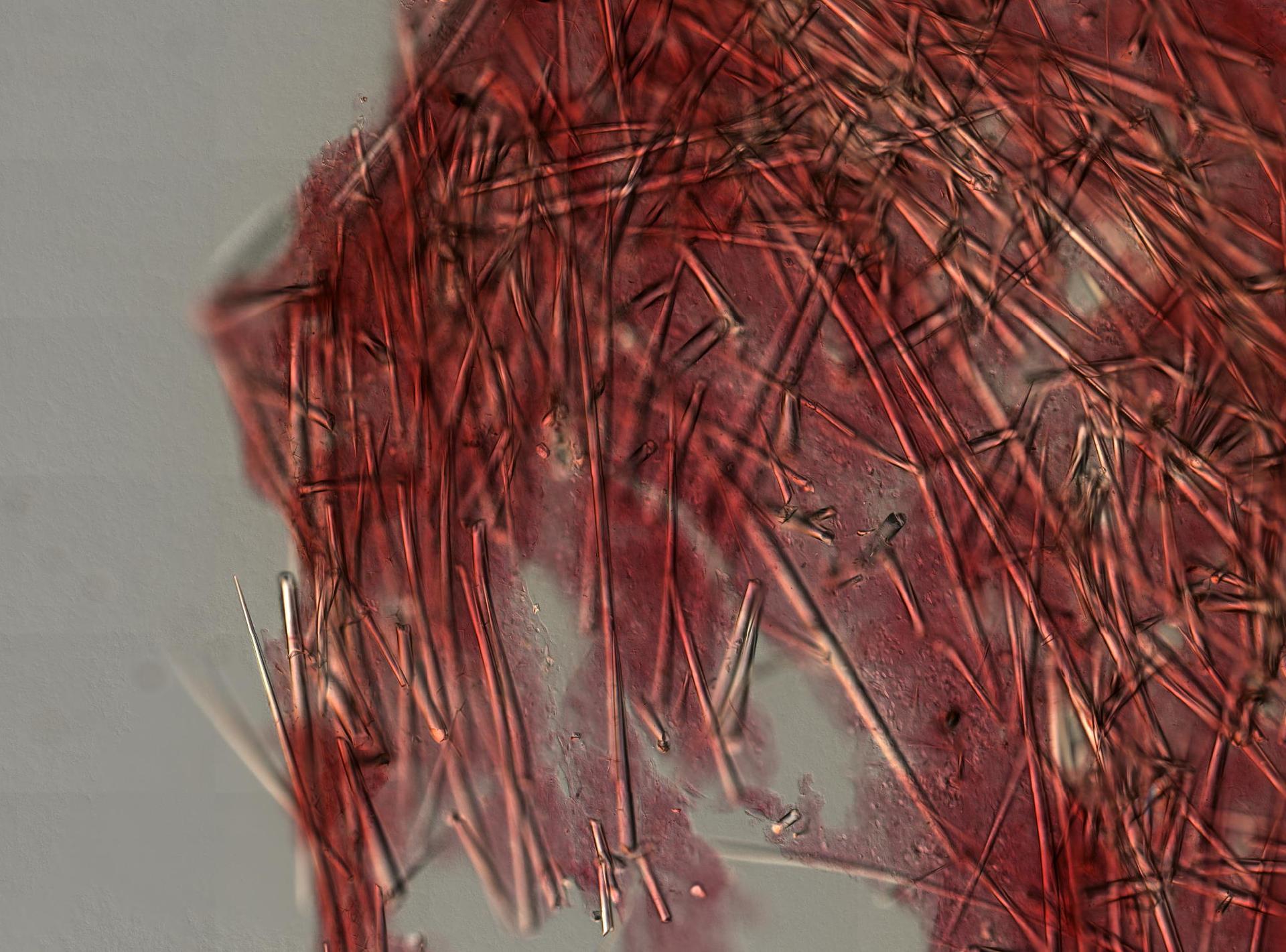
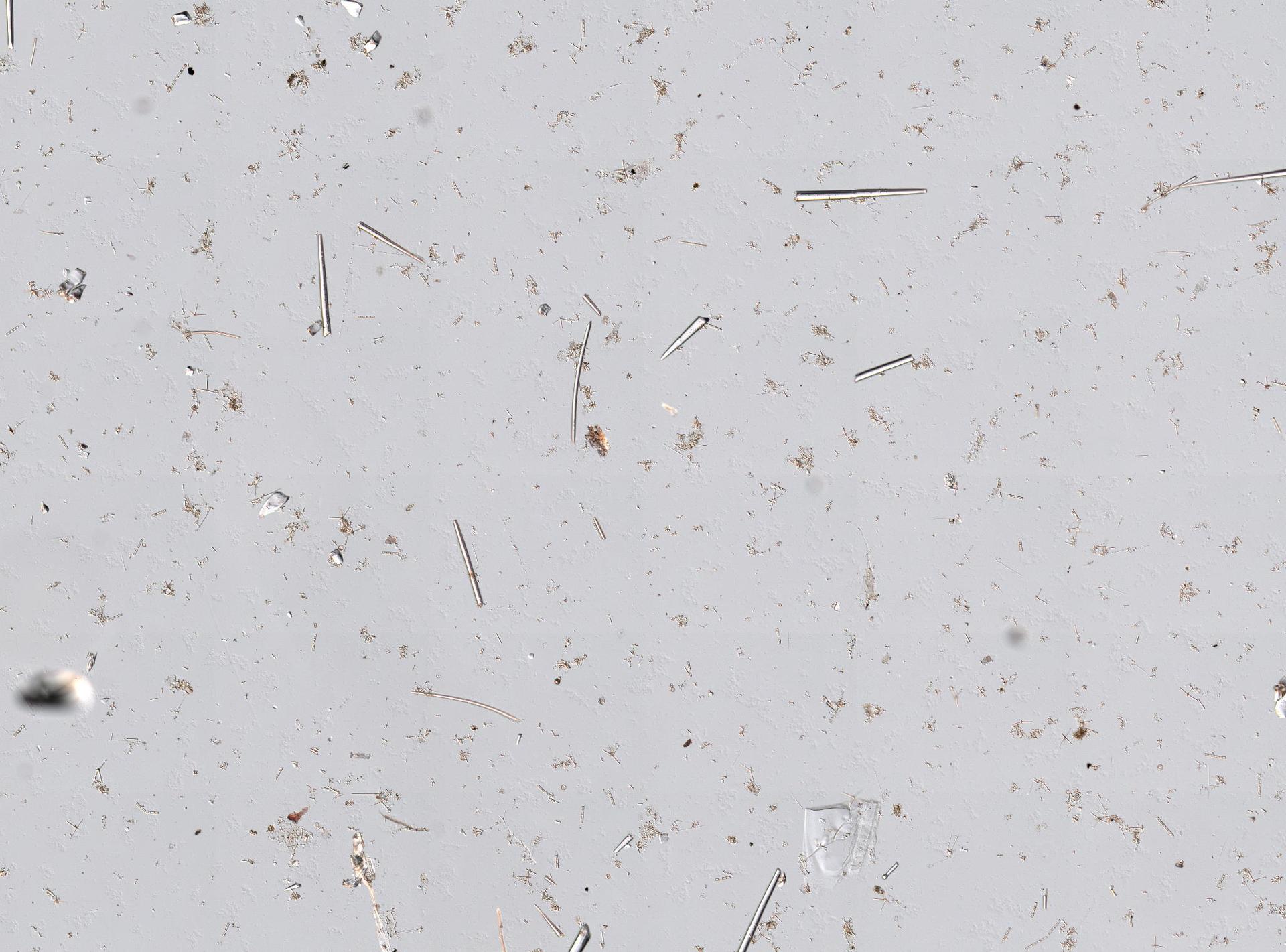
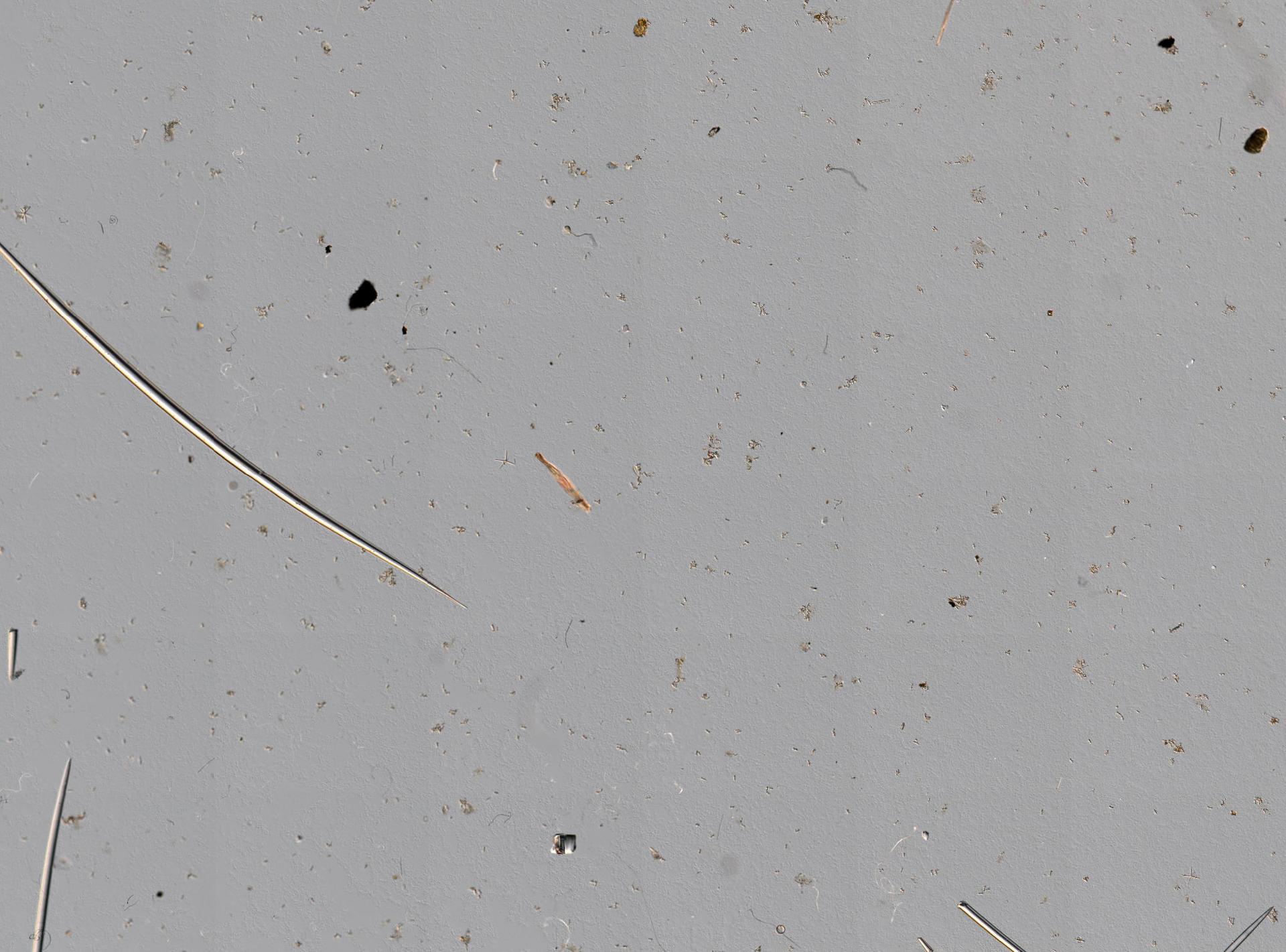
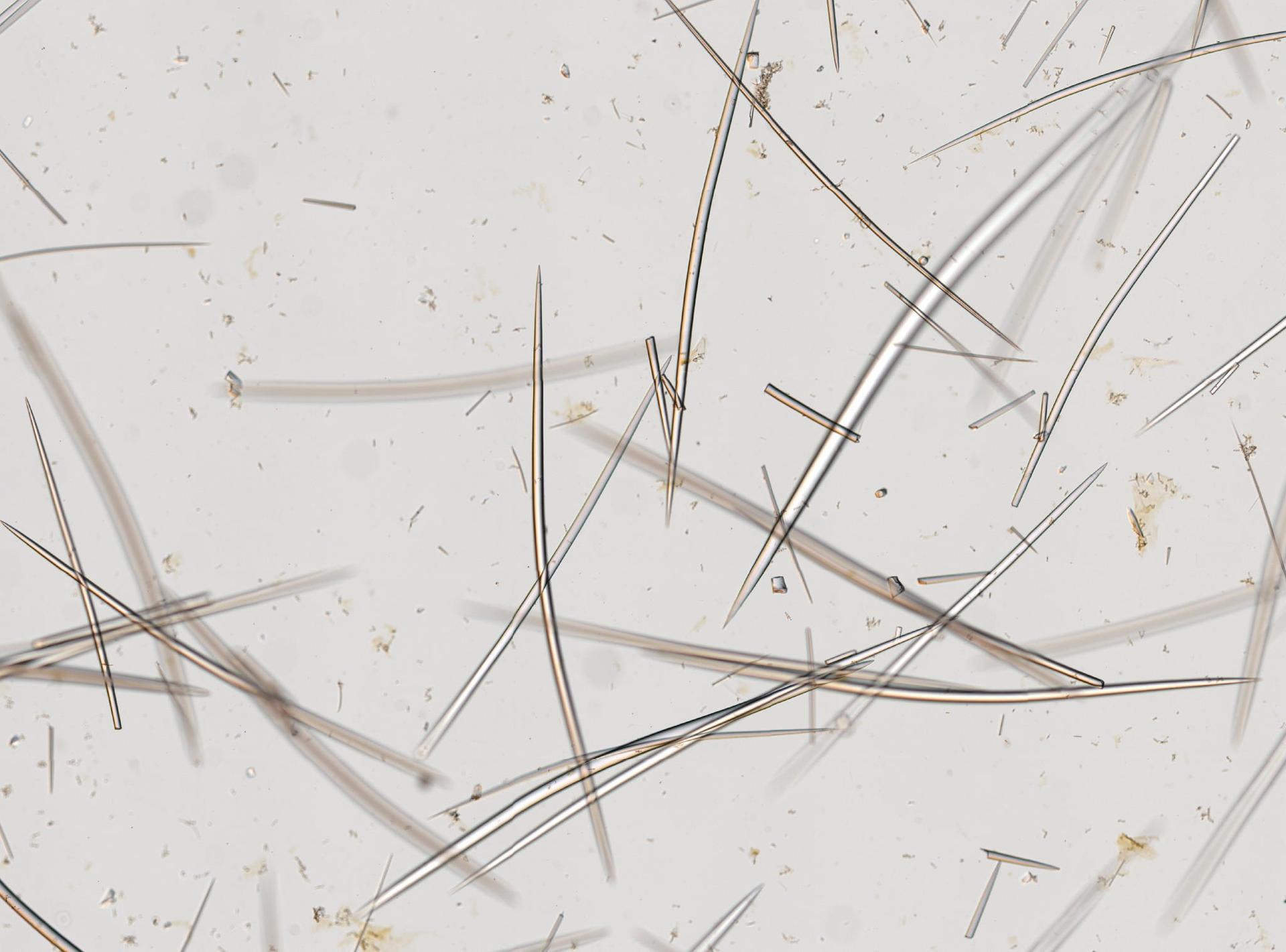
Because these observations are based on preserved specimens, external appearance can be affected by fixation, drying, and viewing angle; confirmation of species identity within Asteropus generally depends on microscopic skeletal/spicule characters rather than gross form alone.
Phylogenetic and taxonomic context
Molecular phylogenetic work on Astrophorida (Demospongiae), which includes the family Ancorinidae, indicates that morphology-based higher-taxon groupings may not always align with molecular relationships. In particular, the study reports that Ancorinidae was not monophyletic in its phylogeny, implying that some traditional character sets may be influenced by convergence.
The same study emphasizes that Astrophorida taxa have diverse spicule assemblages and that incompatibilities between molecular trees and morphology-based taxonomy can reflect spicule homoplasy (convergent evolution and secondary loss of spicule elements), affecting both mega- and microscleres.[3]
Gallery
References
- ↑ Dataset view for Animalia / Porifera / Demospongiae / Tetractinellida / Ancorinidae / Asteropus constructed from imageomics/TreeOfLife-200M records under this taxonomic path. Hugging Face Datasets. https://huggingface.co/datasets/imageomics/TreeOfLife-200M.
- ↑ Asteropus Sollas, 1888. GBIF. https://www.gbif.org/species/2247892. Accessed 2026-07-09.
- ↑ Paco Cárdenas; Joana R. Xavier; Julie Réveillaud; Christoffer Schänder; Hans Tore Rapp. Molecular Phylogeny of the Astrophorida (Porifera, Demospongiaep) Reveals an Unexpected High Level of Spicule Homoplasy. PLoS ONE. 2011. https://doi.org/10.1371/journal.pone.0018318.