Asteromyia
Taxonomy
This page represents the following TreeOfLife-200M taxonomic path.[1]
- Kingdom: Animalia
- Phylum: Arthropoda
- Class: Insecta
- Order: Diptera
- Family: Cecidomyiidae
- Genus: Asteromyia
Visual Description
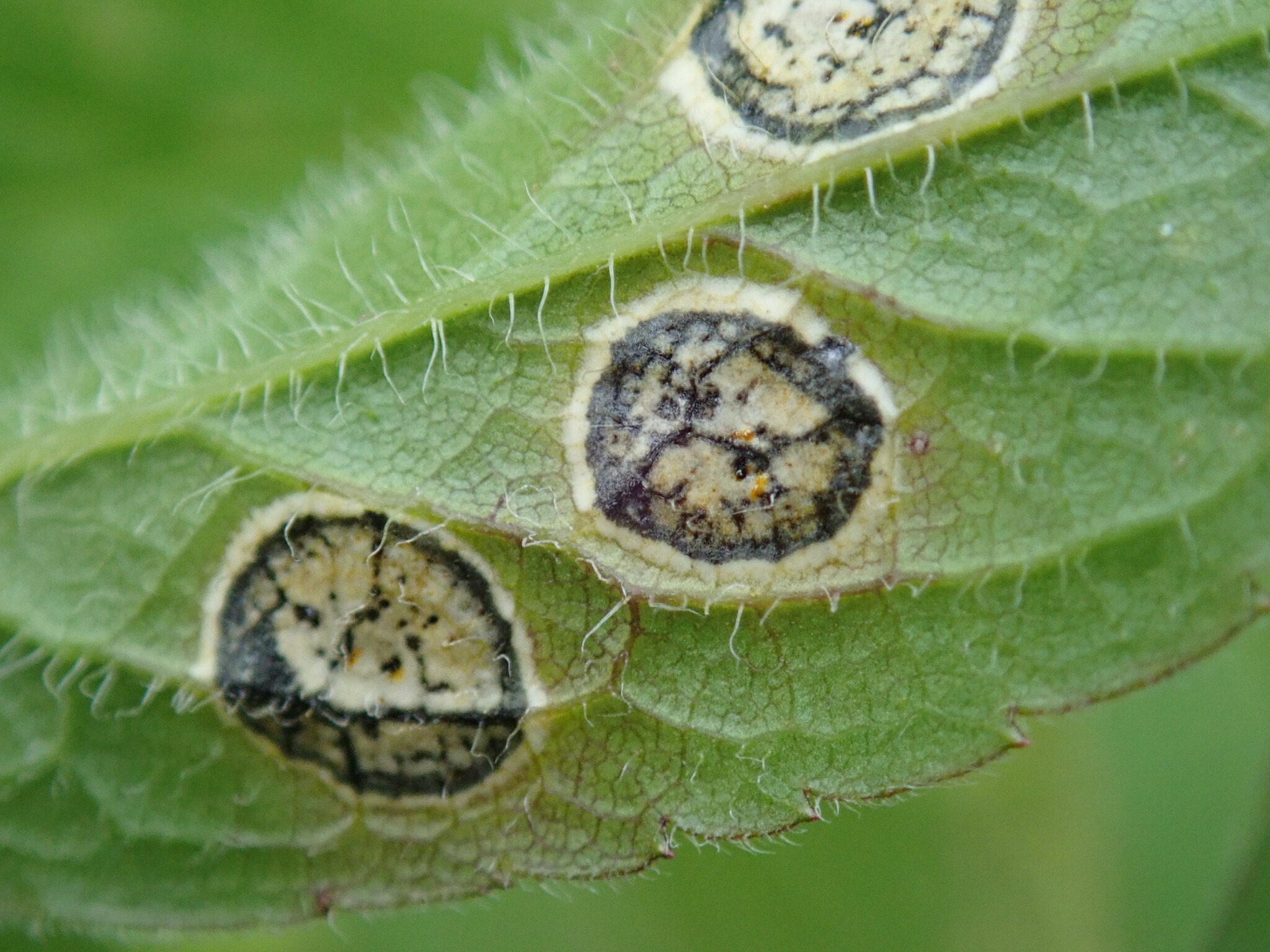
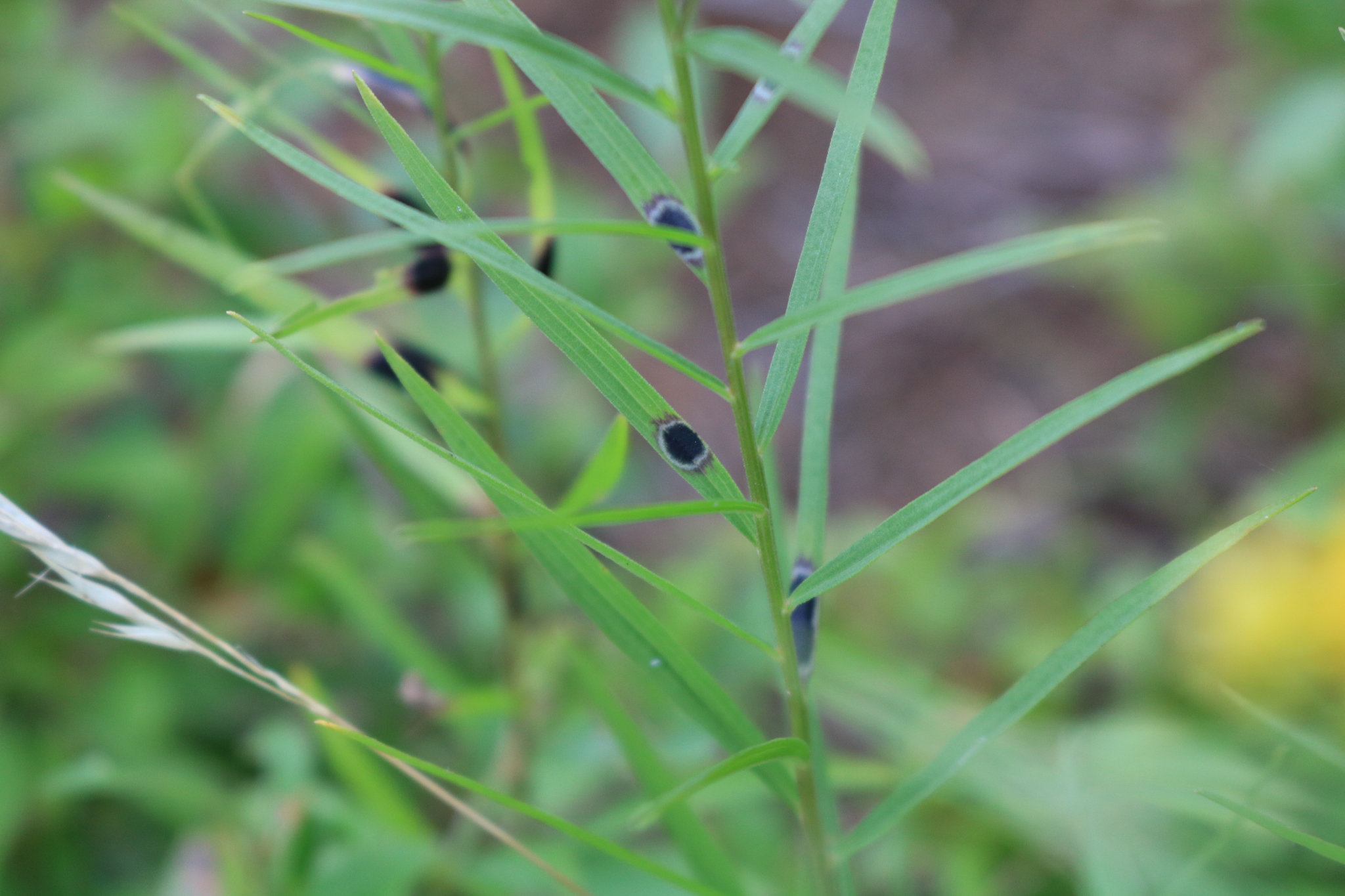
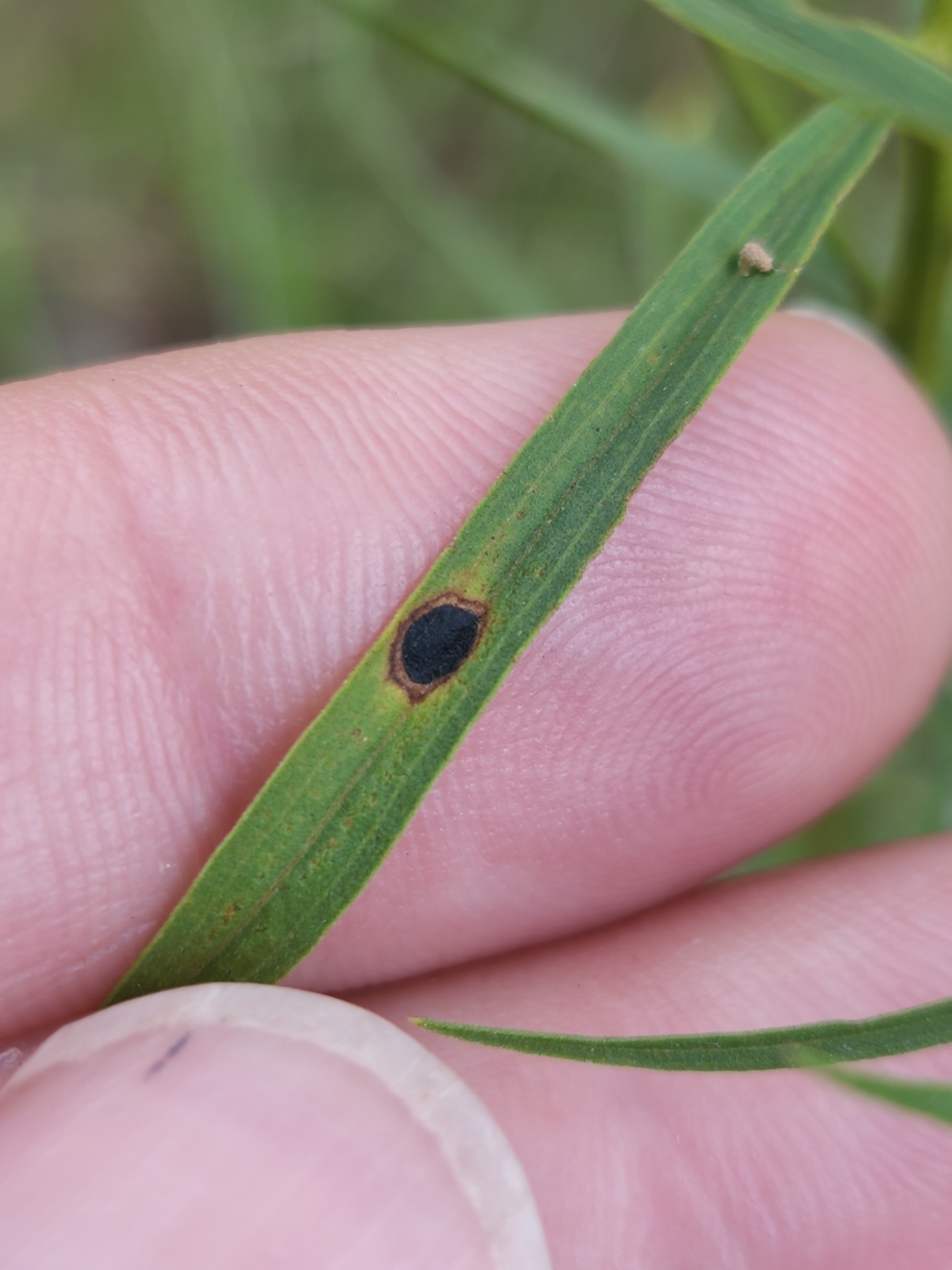
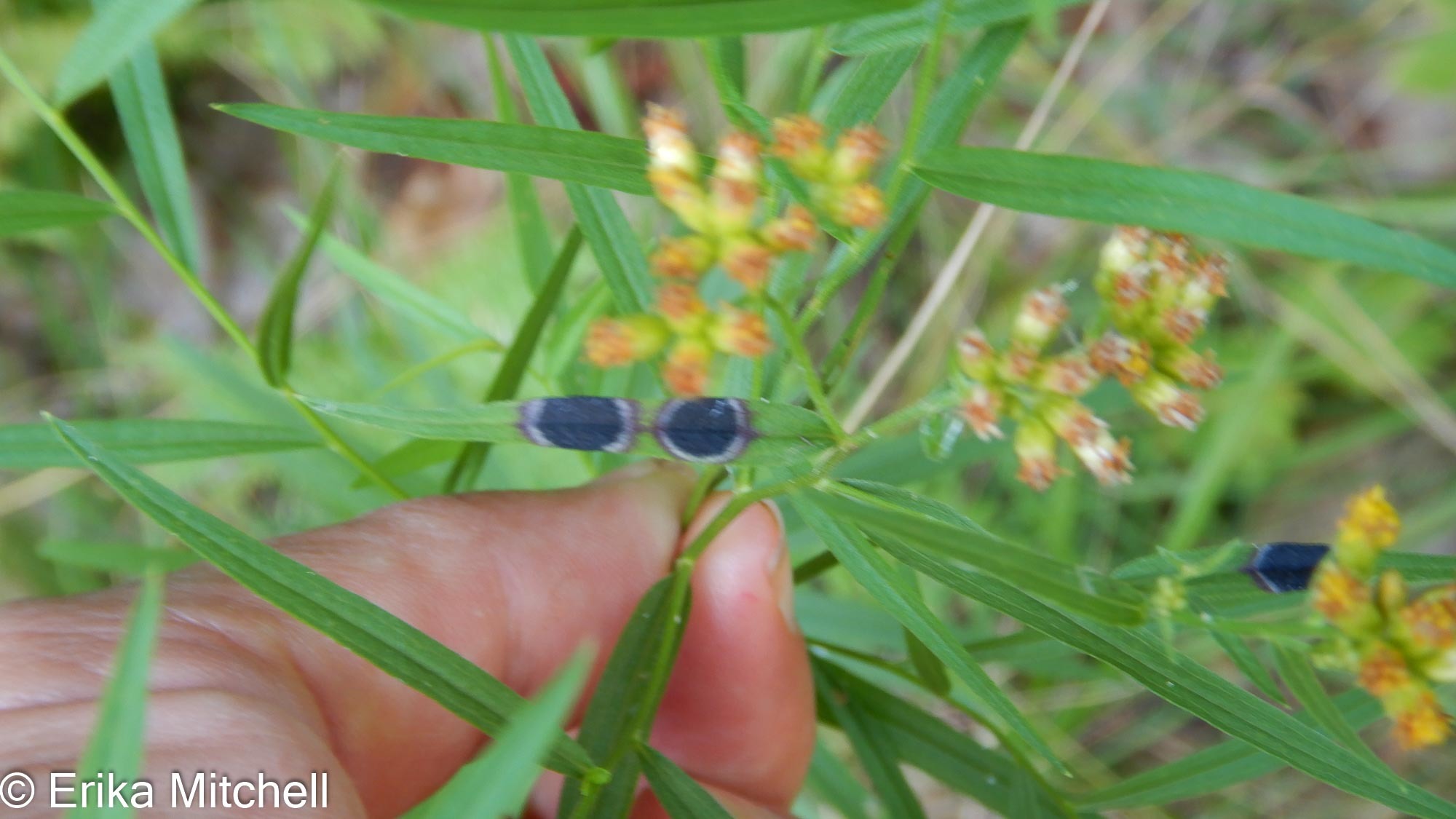
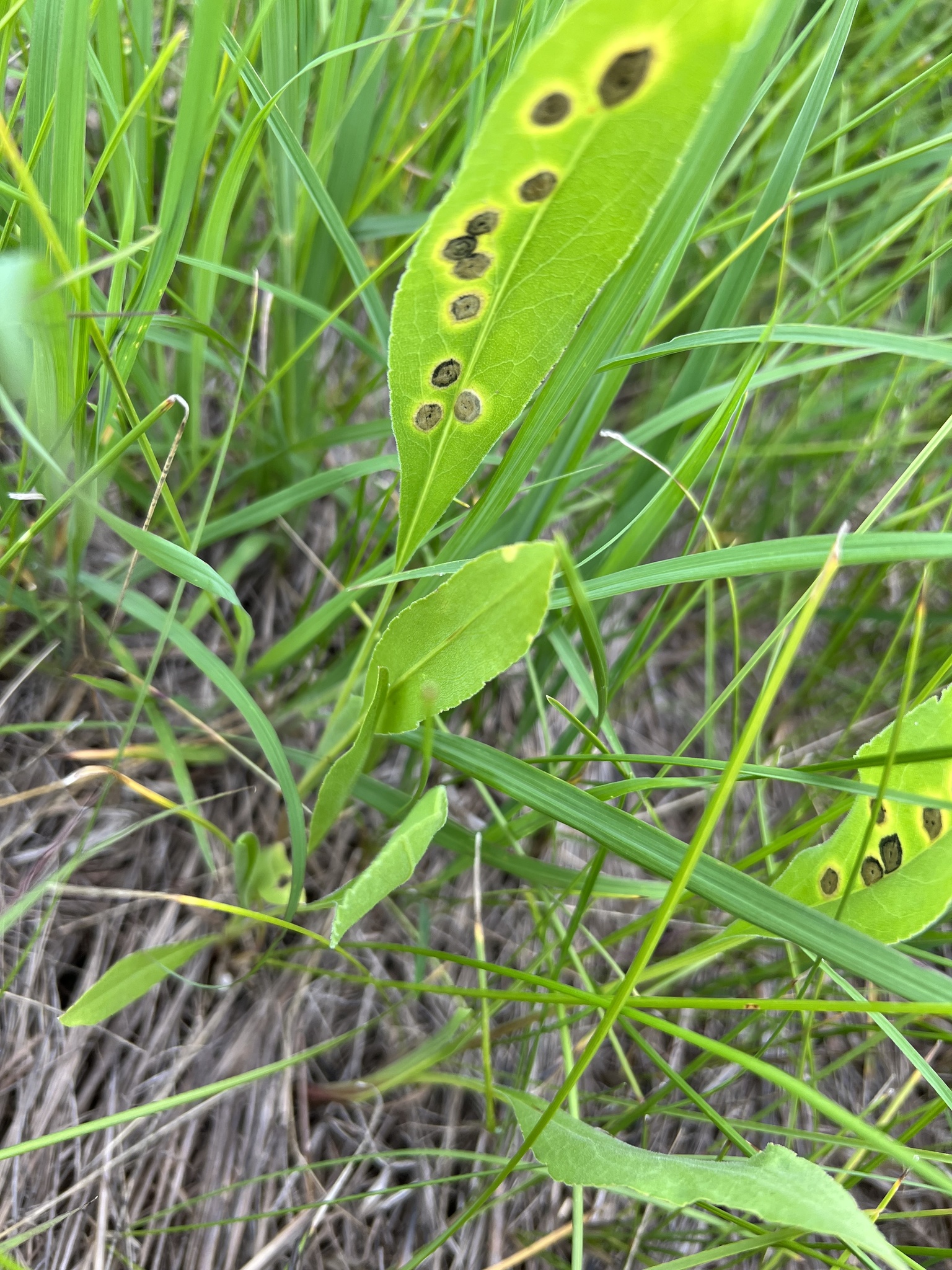
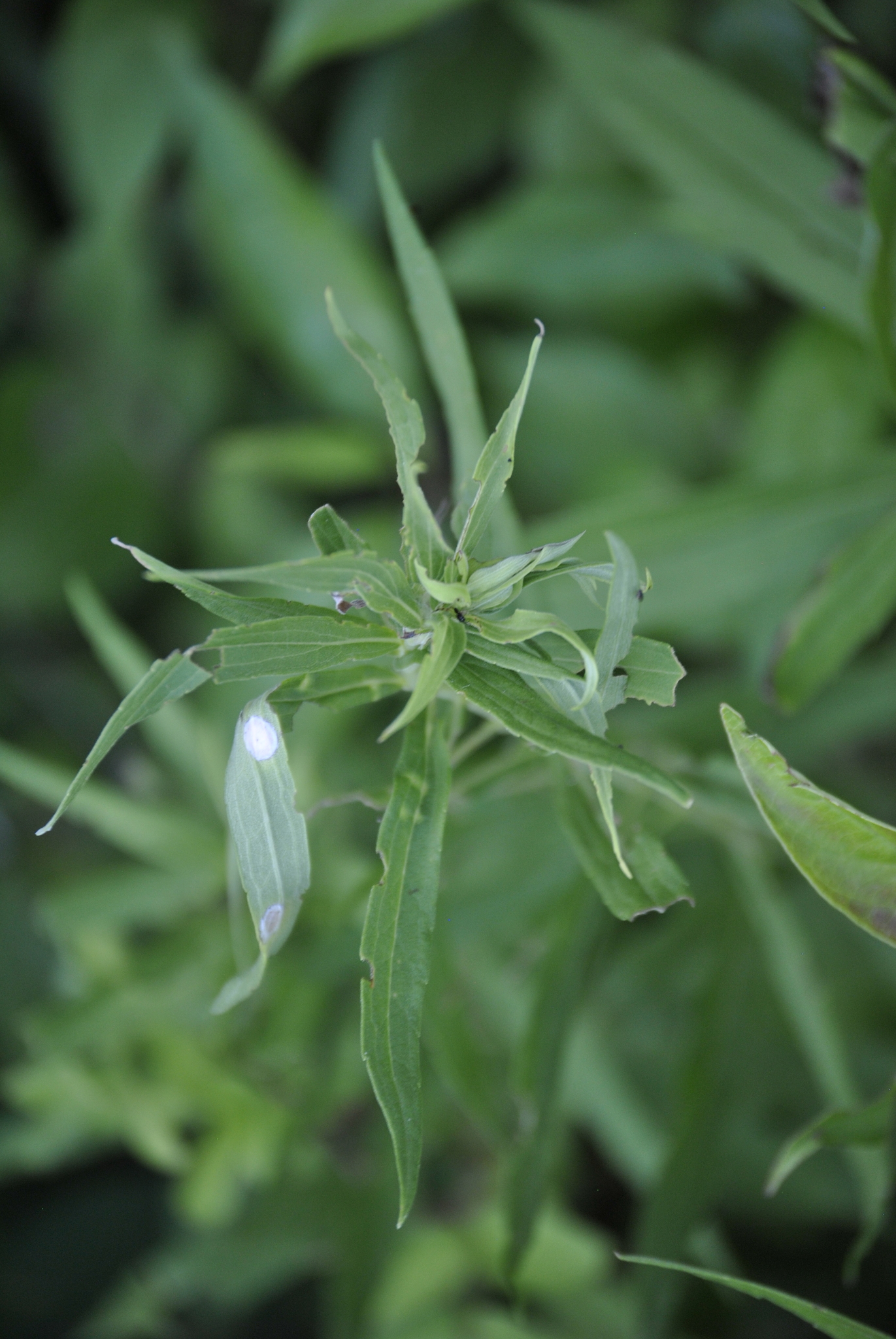
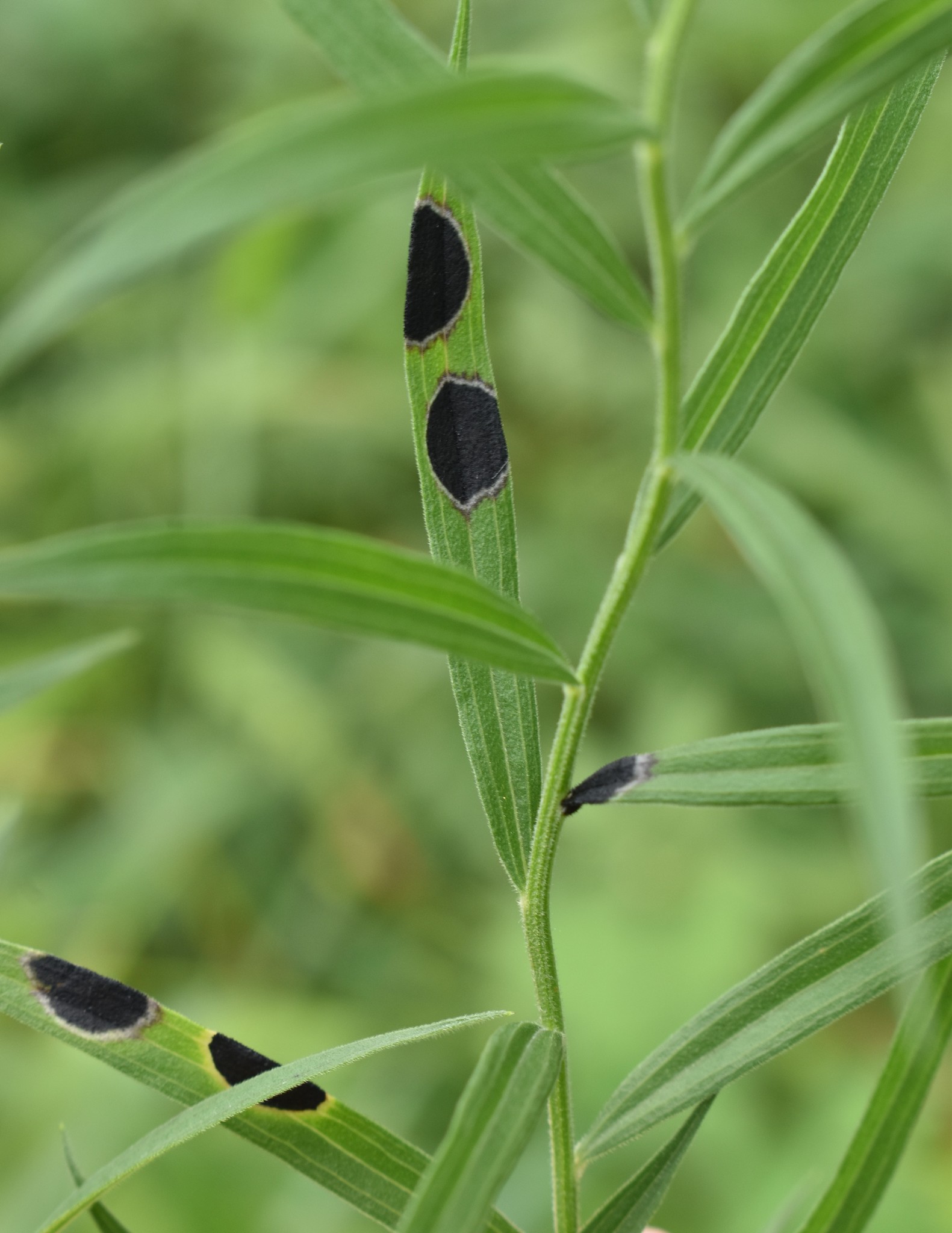
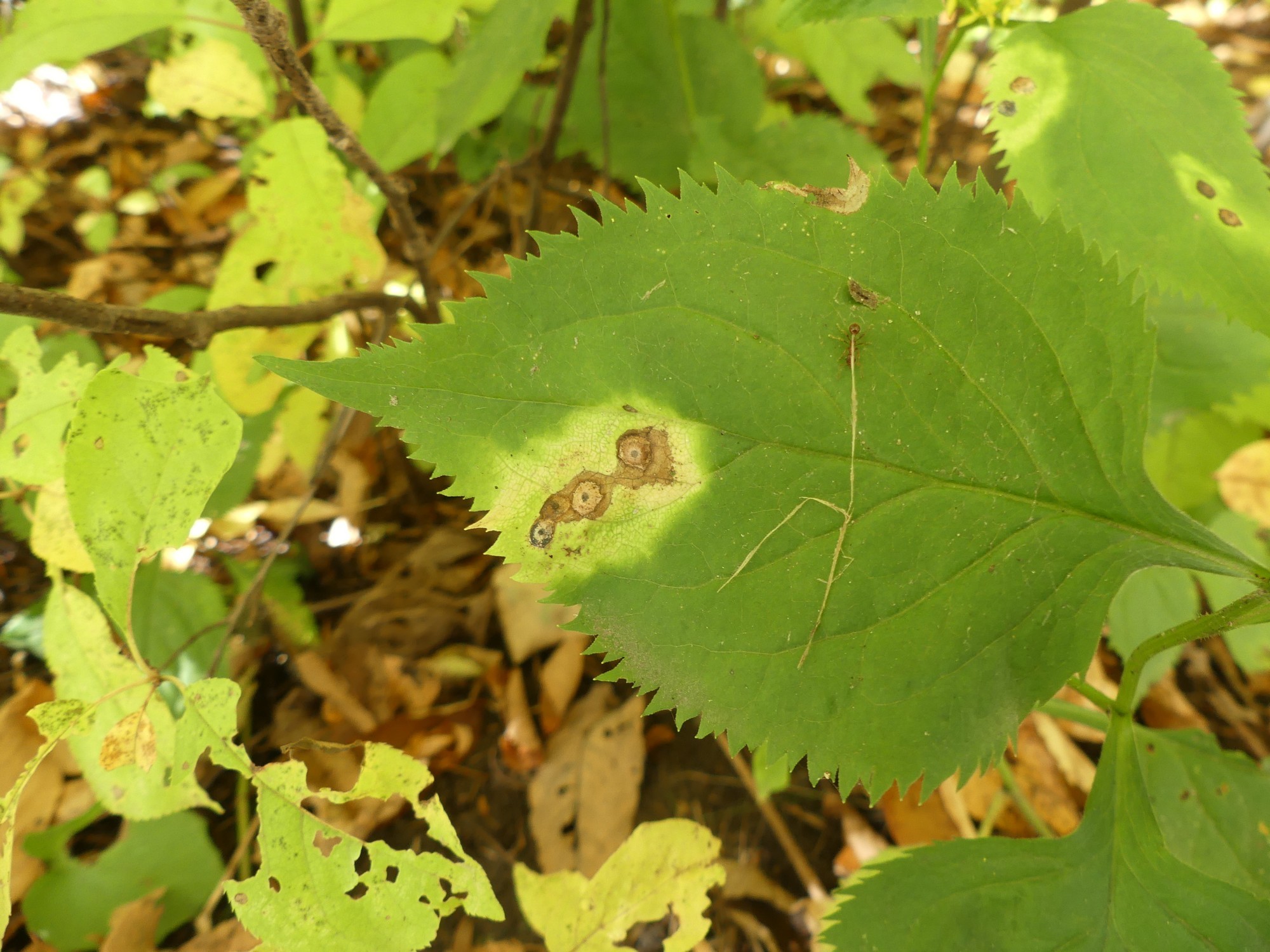
Based on observations from the TreeOfLife-200M dataset, members of the genus Asteromyia are small, delicate flies typical of the family Cecidomyiidae.[1] They exhibit a slender body form with long, thin legs and wings that are relatively large in proportion to their body size. The wings often appear translucent or slightly smoky, with a reduced venation pattern characteristic of many gall midges. The body coloration is generally muted, often ranging from brownish to grayish tones, which may provide camouflage when resting on host plant surfaces.[1]
Ecology and Biology
The genus Asteromyia belongs to the family Cecidomyiidae, a group known for being taxonomically challenging, which often complicates species-level identification due to taxonomic uncertainties or the presence of numerous undescribed species.[2]
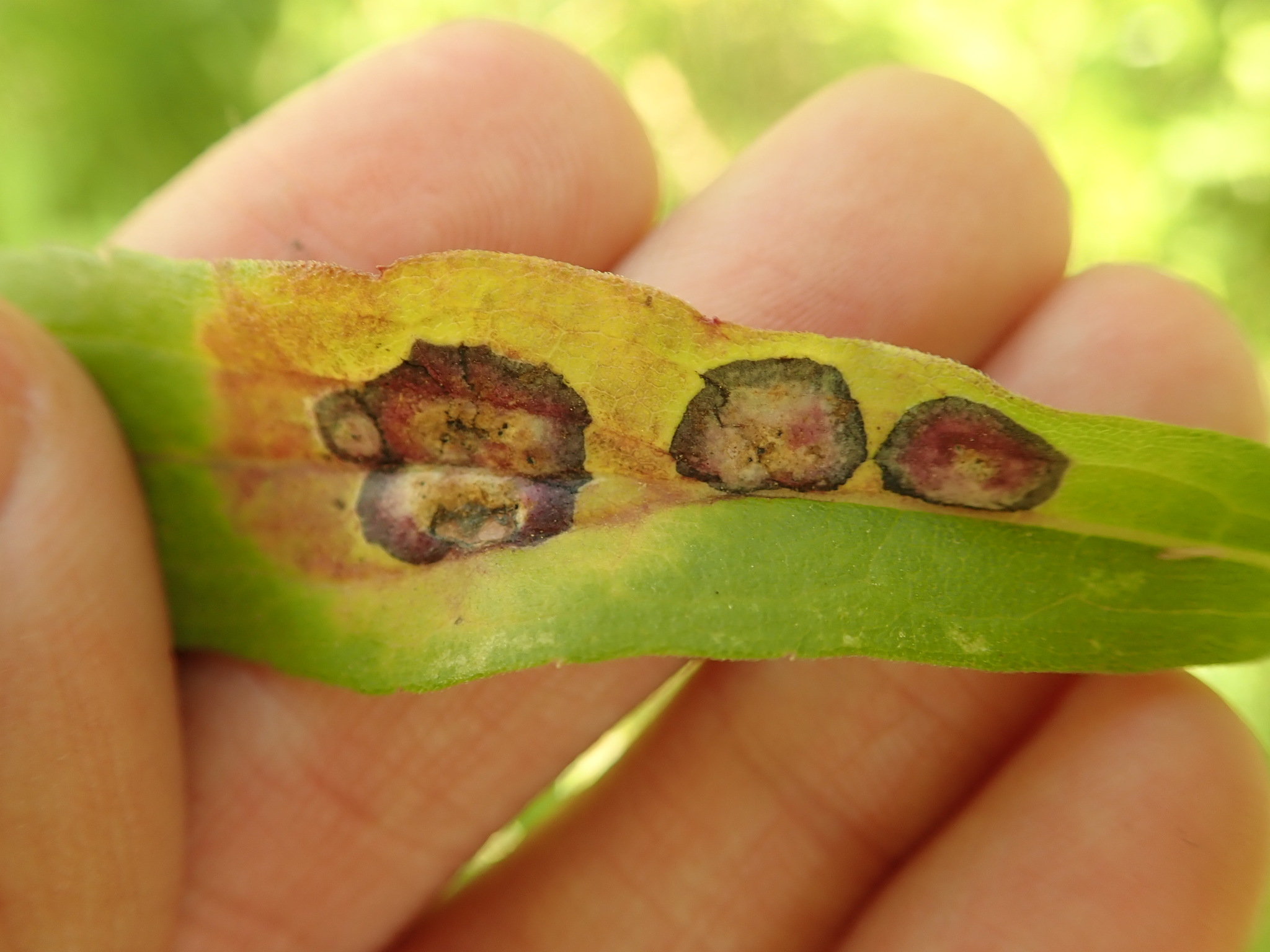
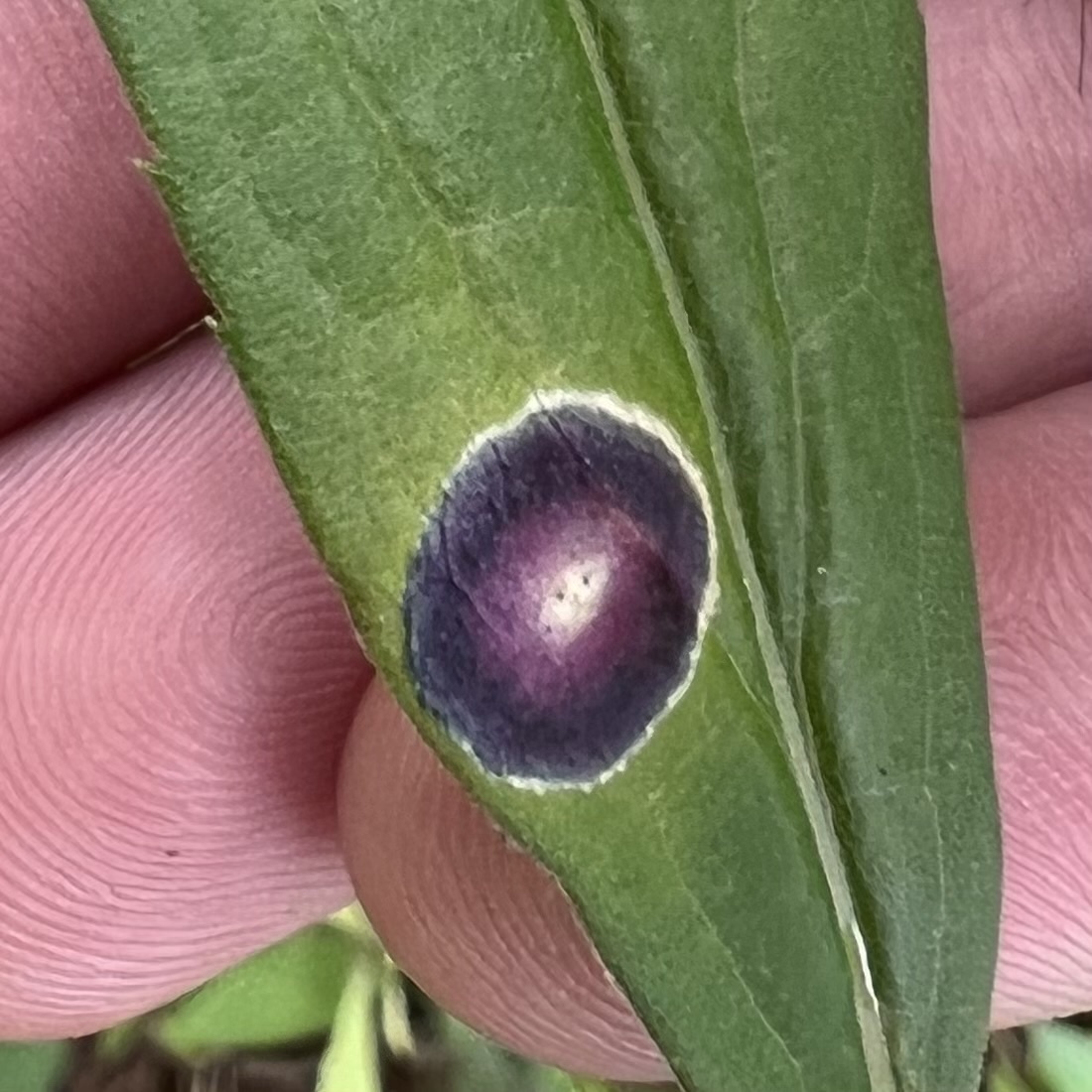
Ecologically, Asteromyia species are known to interact with various host plants. For instance, Asteromyia sp. has been identified as a herbivore associated with the fruits of Inga vera (Fabaceae) in Brazil. Molecular studies using the cytochrome oxidase I (COI) gene have suggested that multiple species may be present within such host associations, indicating potential cryptic diversity.
These midges are also subject to parasitism. Larvae of Asteromyia sp. have been found in fruits infested by hymenopteran parasitoids, including species from the families Eupelmidae and Eurytomidae.
Gallery
References
- 1 2 3 Dataset view for Animalia / Arthropoda / Insecta / Diptera / Cecidomyiidae / Asteromyia constructed from imageomics/TreeOfLife-200M records under this taxonomic path. Hugging Face Datasets. https://huggingface.co/datasets/imageomics/TreeOfLife-200M.
- ↑ Tamires Camila Talamonte de Oliveira; Lucas Roberto Pereira Gomes; Scott P. Egan; Pedro F. P. Brandão‐Dias; Alejandro Zaldívar Riverón; Lucas Del Bianco Faria. Diversity of Diptera and their parasitoids associated with Inga vera Willd. (1806) (Fabaceae) with new host record in Minas Gerais, Brazil. Revista Agrogeoambiental. 2024. https://doi.org/10.18406/2316-1817v16nunico20241918.