Aspidogaster
Taxonomy
Aspidogaster is a genus of flatworms within the class Trematoda, order Aspidogastrida, and family Aspidogastridae. First described by Baer in 1826, these organisms are commonly referred to as flukes. The genus is widely distributed, with species documented across Europe and North America. Recognized species include A. africana, A. antipai, A. ascidiae, A. chongqingensis, A. conchicola, A. decatis, A. ijimai, A. indica, A. limacoides, A. nilotica, A. parabramae, A. piscicola, and A. tigarai.[1]
Members of this genus exhibit diverse host relationships. Aspidogaster conchicola is a well-known parasite of various freshwater bivalves, particularly within the family Unionidae, including genera such as Elliptio, Quadrula, Anodonta, Potamilus, Lampsilis, Utterbackia, and Pyganodon; it has also been recorded in the fish Mylopharyngodon piceus. Another species, A. limacoides, parasitizes the visceral mass of the invasive zebra mussel, Dreissena polymorpha, where its presence is associated with a significant reduction in the host's visceral mass.[2][3]
Visual Description
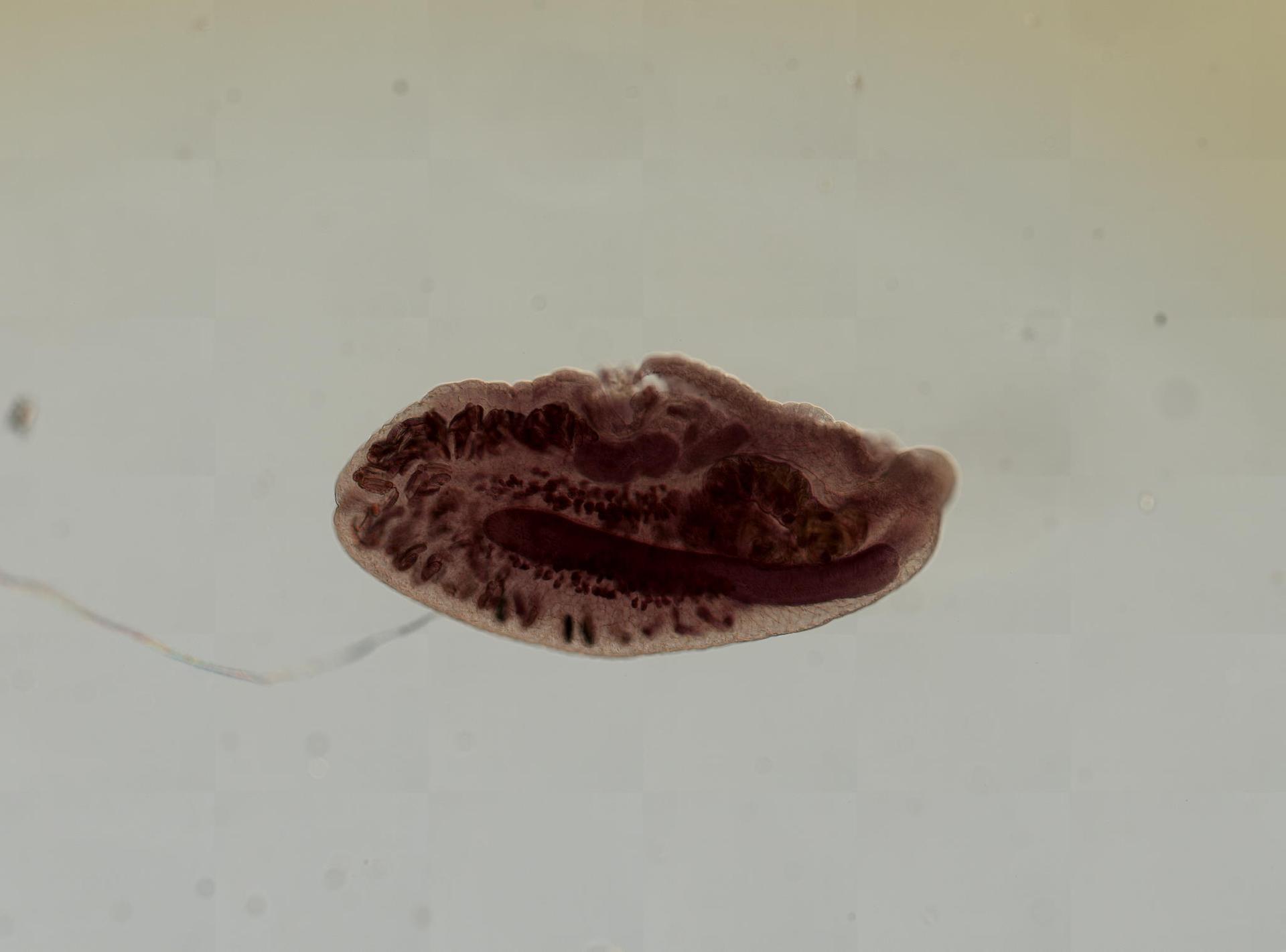
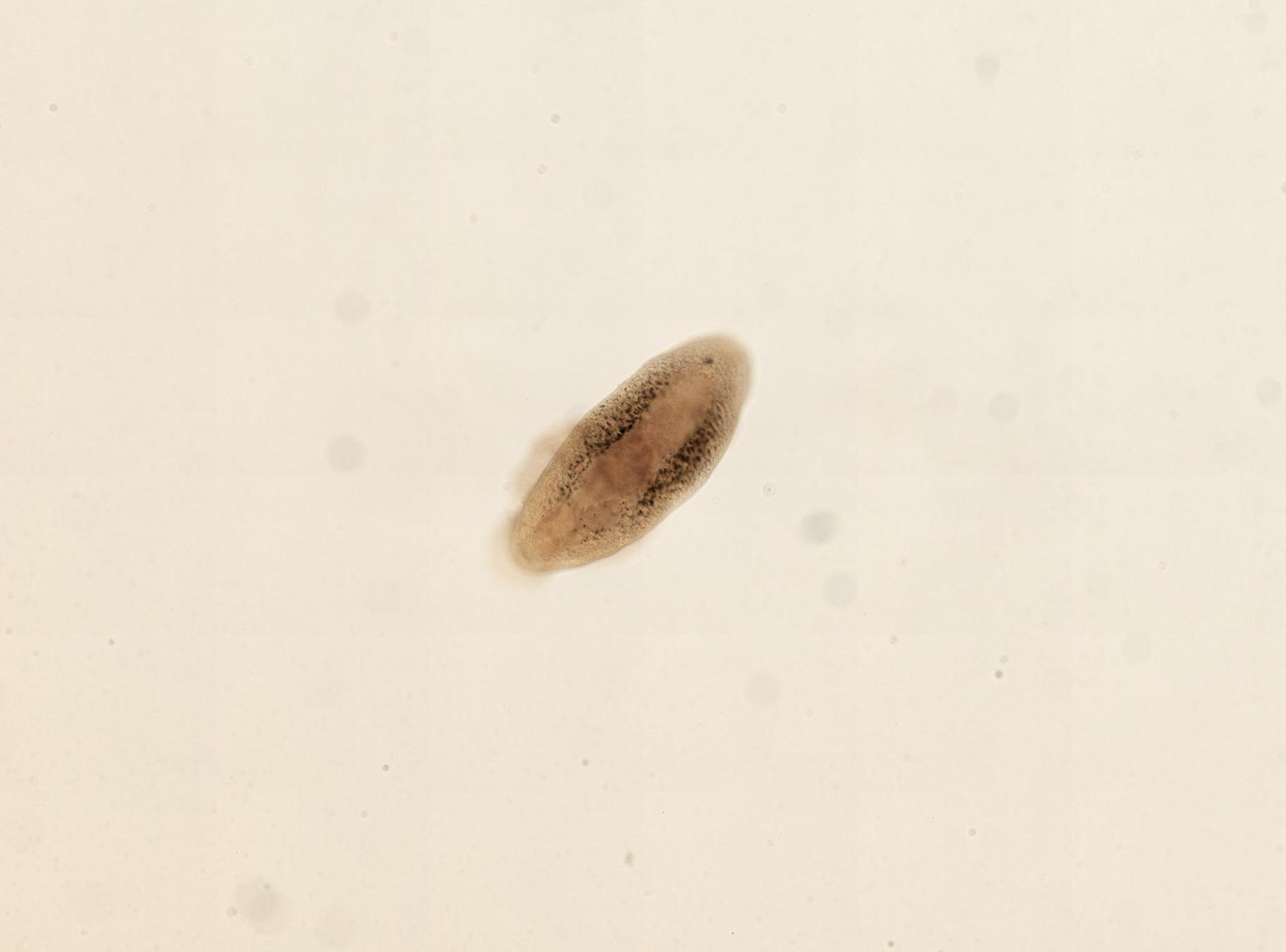
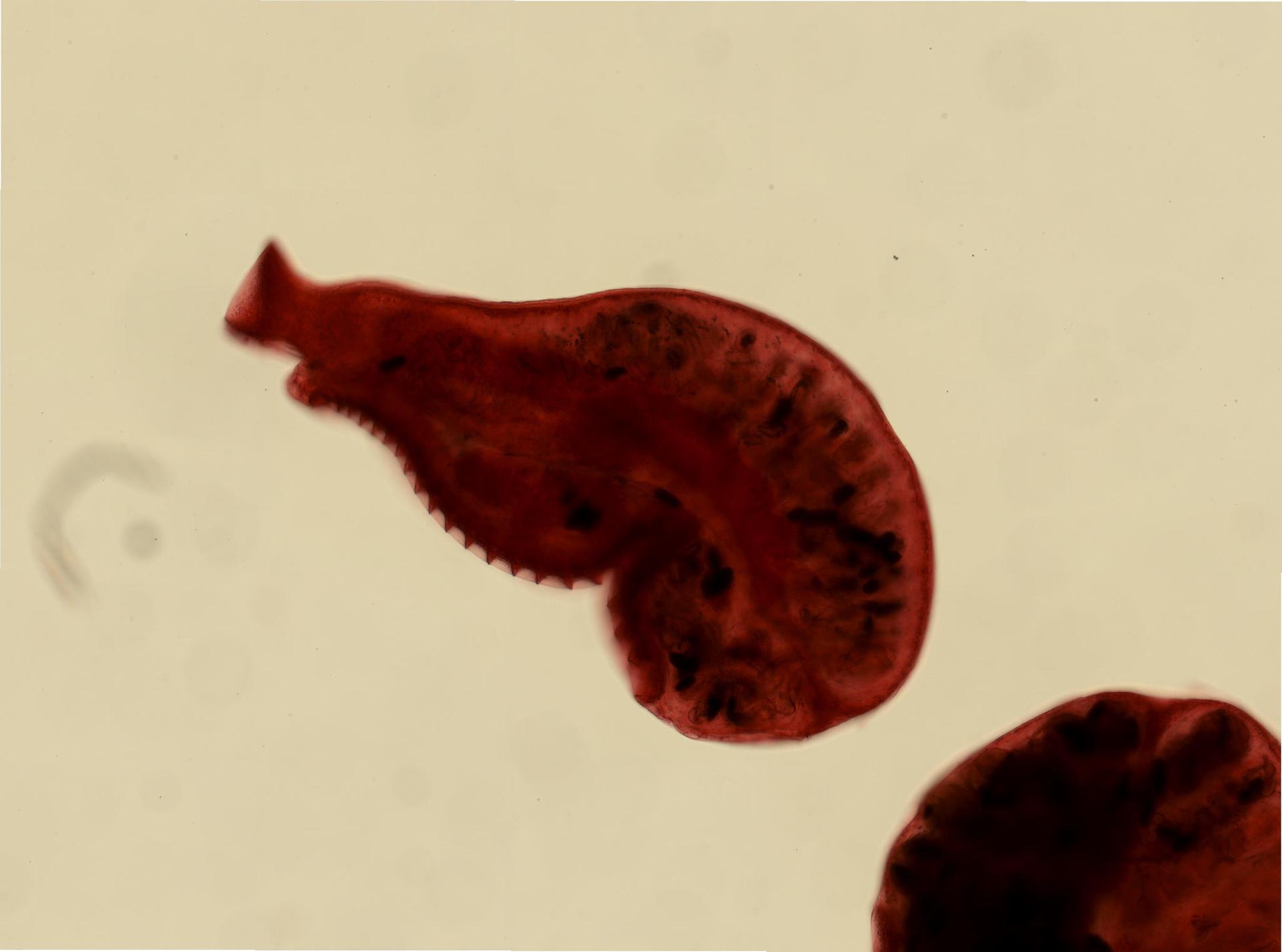
Aspidogaster specimens are typically flattened and oval-shaped. They possess a characteristic ventral adhesive disc, which is marked by a series of transverse ridges or alveoli. Internal anatomy, including reproductive and digestive systems, is often visible in stained preparations as darker-stained or granular structures within the translucent body.
Gallery
References
- ↑ Aspidogaster. Wikipedia. https://en.wikipedia.org/wiki/Aspidogaster. Accessed 2026-09-05.
- ↑ Jasna Lajtner. Presence of Bucephalus polymorphus, Echinoparyphium recurvatum and Aspidogaster limacoides (Platodes, Trematoda) in the visceral mass of Dreissena polymorpha (Mollusca, Bivalvia). Helminthologia. 2012. https://doi.org/10.2478/s11687-012-0030-1.
- ↑ Aspidogaster. Global Biotic Interactions. https://www.globalbioticinteractions.org/?targetTaxon=Aspidogaster. Accessed 2026-09-05.