Asphondylia punica
Taxonomy
This page represents the following TreeOfLife-200M taxonomic path.[1]
- Kingdom: Animalia
- Phylum: Arthropoda
- Class: Insecta
- Order: Diptera
- Family: Cecidomyiidae
- Genus: Asphondylia
- Species: Asphondylia punica
Visual Description
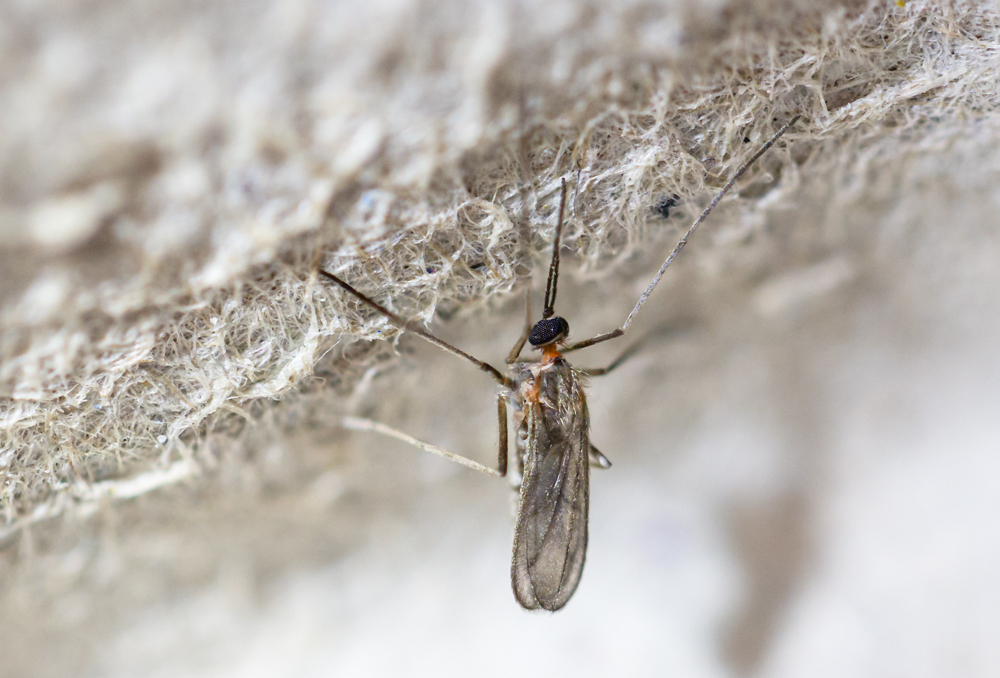
Asphondylia punica adults are characterized by a greyish-brown coloration. Females possess a distinct, needle-like, piercing ovipositor. The third-instar larvae are typically light to bright orange in color and feature a quadridentate spatula on the first thoracic segment. Pupae are distinguished by horn-like antennal bases and a specific arrangement of facial horns.[2]
Biology and Ecology
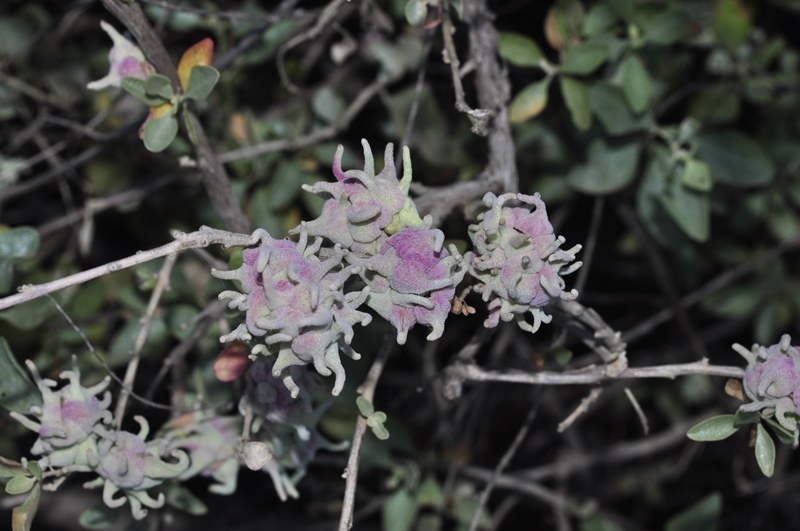
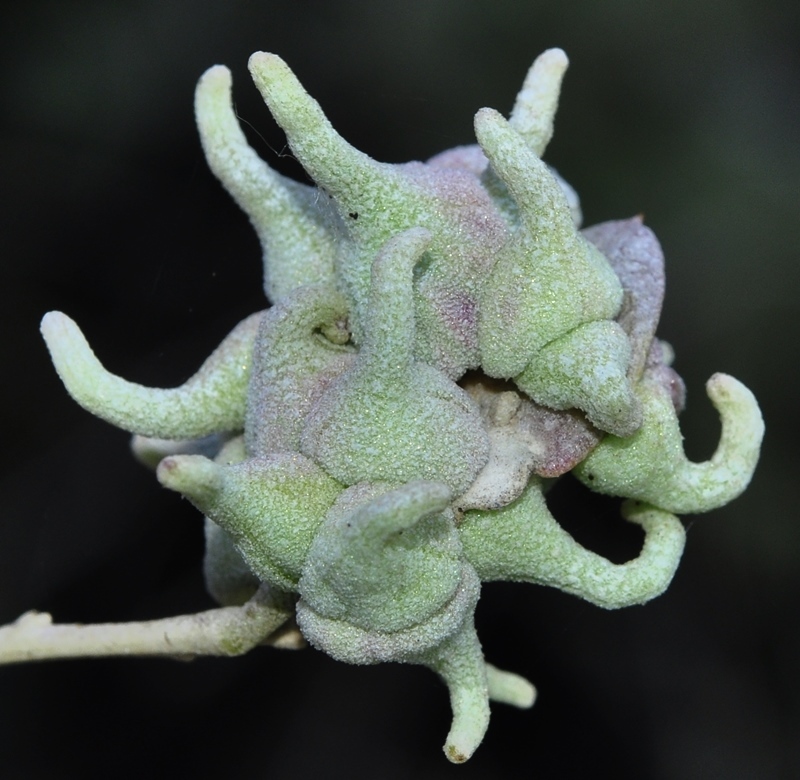
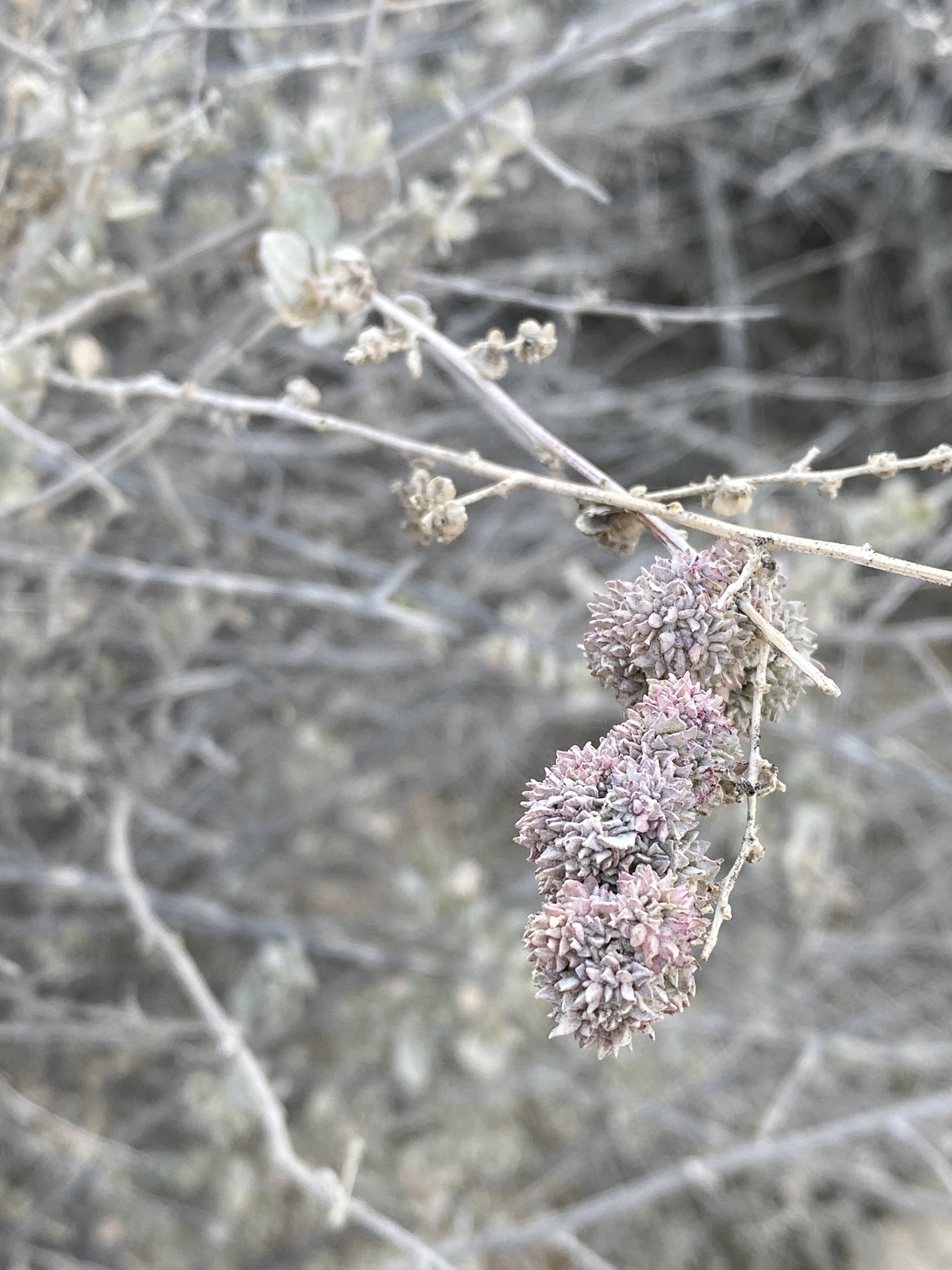
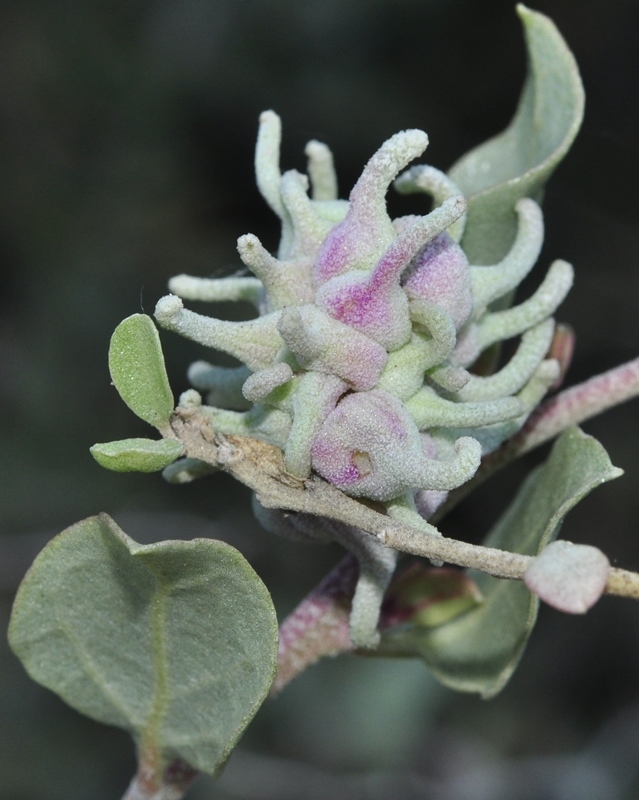
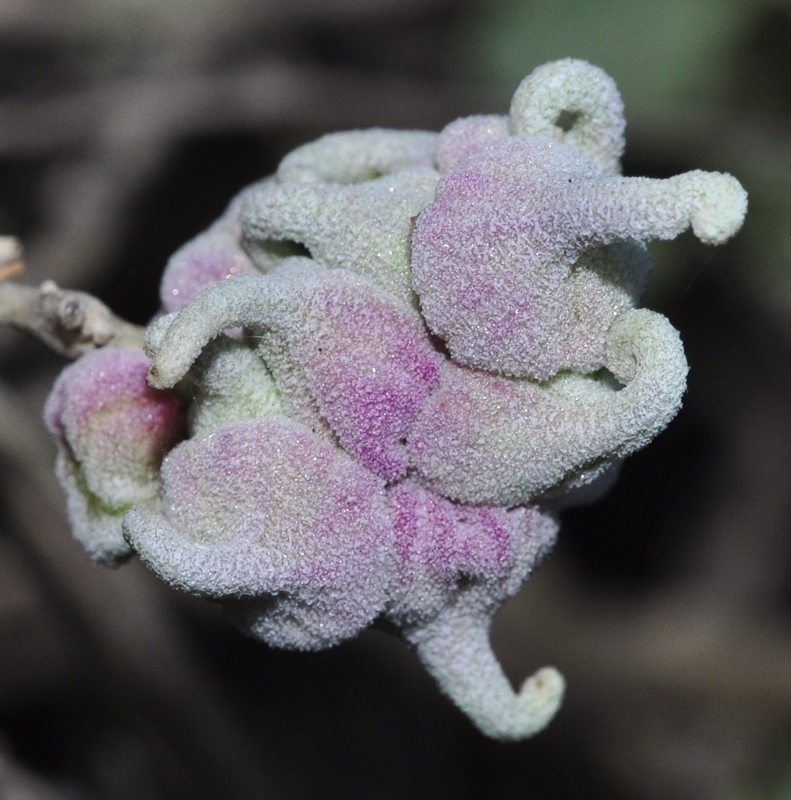
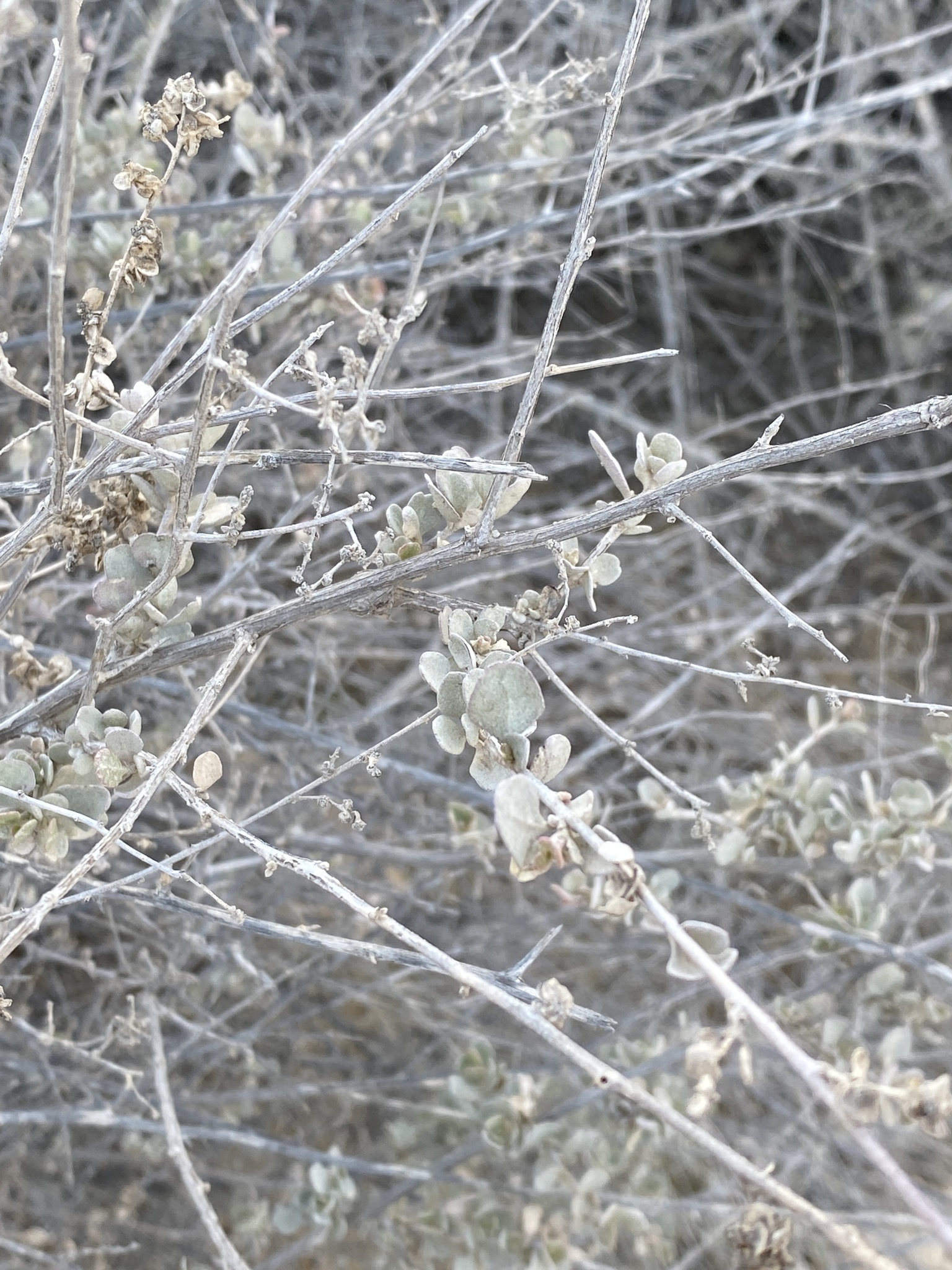
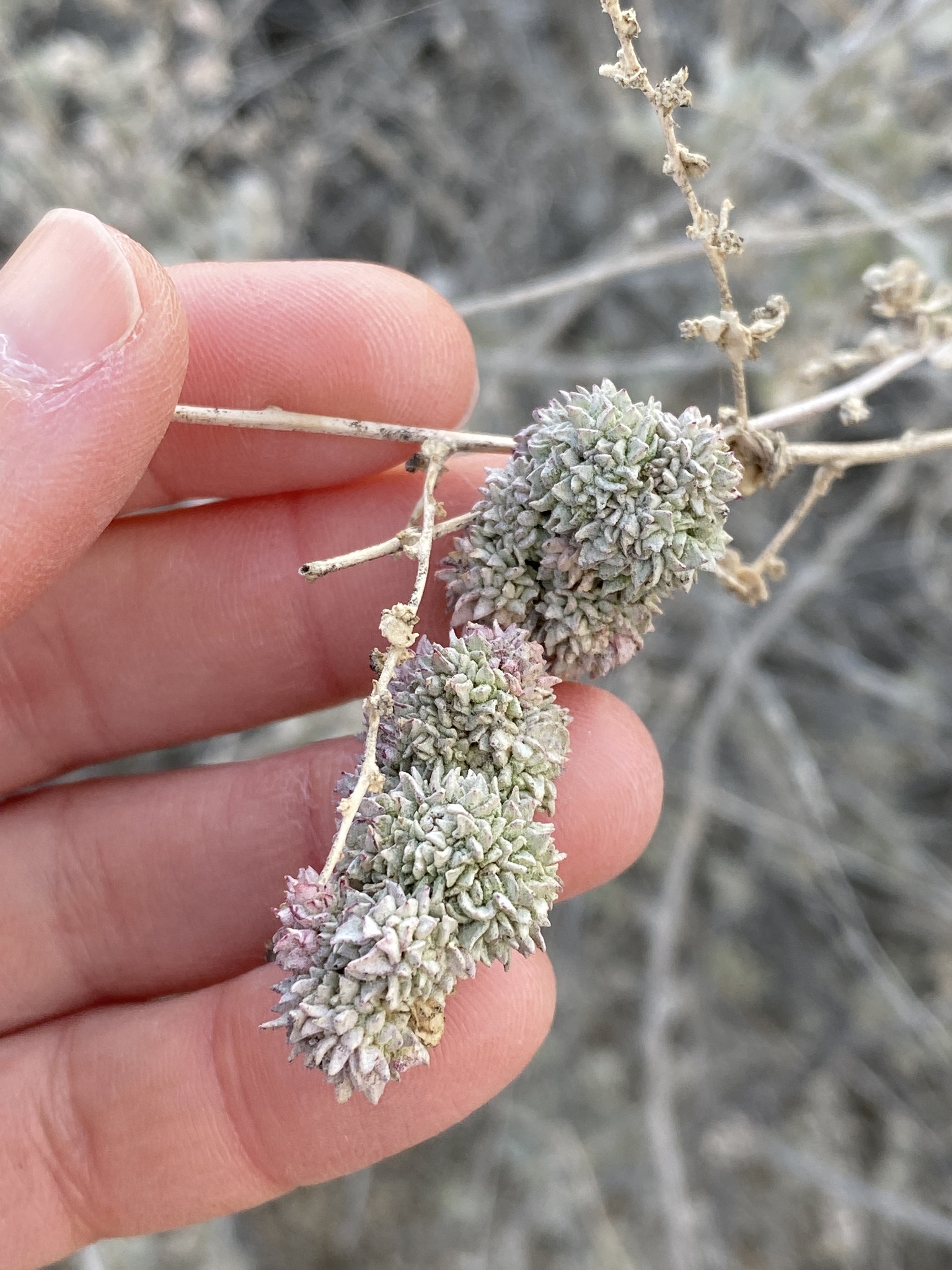
Asphondylia punica is a gall-inducing cecidomyiid midge. It induces the formation of conspicuous, spherical rosette galls on the apical and axillary buds of Atriplex halimus (Chenopodiaceae). These galls can reach up to 3 cm in diameter and consist of numerous stunted leaves. Each gall may contain up to 20 larval chambers, with each chamber housing a single larva. The internal walls of these chambers are lined with a thick layer of white mycelium.[2]
The species is widely distributed across the Mediterranean Basin, with records from Algeria, Tunisia, Libya, Egypt, Israel, Syria, Greece, Italy, and Spain. It is also likely associated with Atriplex leucoclada, where it produces similar, though smaller, galls. Adults typically emerge in February–March. While the galls are frequently parasitized by various Hymenoptera, the species is generally easy to rear due to the abundance of galls.[2]
Asphondylia conglomerata De Stefani, 1900, is considered a junior synonym of A. punica. Morphological variations in gall size and adult coloration, which were previously used to distinguish these species, are now attributed to host plant condition and individual variation.[2]
Gallery
References
- ↑ Dataset view for Animalia / Arthropoda / Insecta / Diptera / Cecidomyiidae / Asphondylia / punica constructed from imageomics/TreeOfLife-200M records under this taxonomic path. Hugging Face Datasets. https://huggingface.co/datasets/imageomics/TreeOfLife-200M.
- 1 2 3 4 Netta Dorchin; David Mifsud; Richard Askew. Saltbush-associated Asphondylia species (Diptera: Cecidomyiidae) in the Mediterranean Basin and their chalcidoid parasitoids (Hymenoptera: Chalcidoidea). Zootaxa. 2014. https://doi.org/10.11646/zootaxa.3869.4.3.